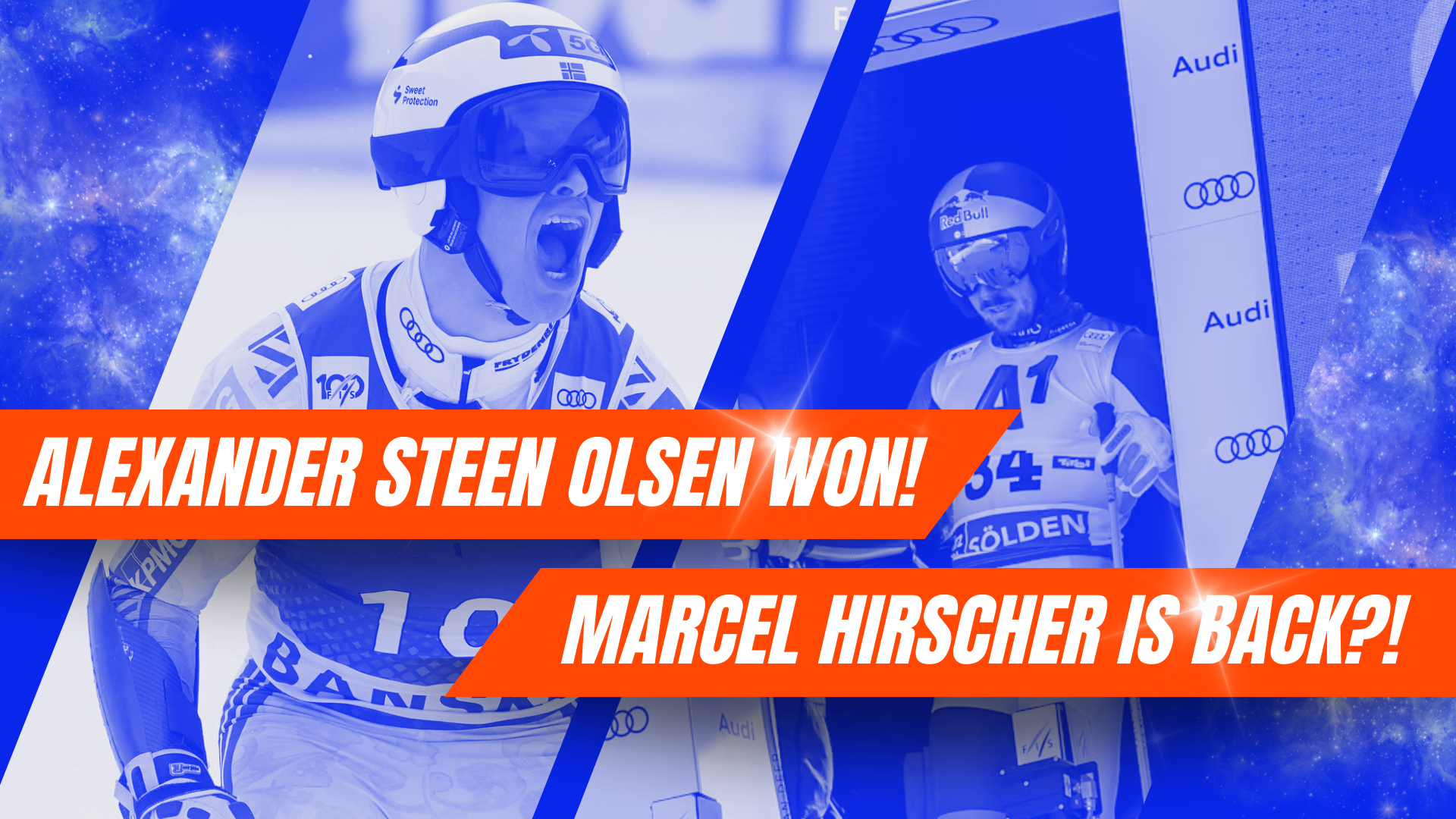
This season was a storybook written at full speed
The 2024/2025 World Cup was a rollercoaster from the very first gate. But the buzz began even before the snow fell. Comebacks stirred excitement, legends returned from the shadows, and debates flared before a single race had been run. As the season unfolded, the mountain gave us everything—triumph, heartbreak, and a fair share of bruises. Big names like Shiffrin, Pinturault, and Sarrazin fell hard, reminding us how fine the line is between glory and tragedy.
Even Marco Odermatt, usually the vision of precision, started off catching up rather than leading. But the pack chasing him had no chance once he found his flow. On the finer side, Federica Brignone wrote her own epic—not with surprise wins, but with the calm force of a superstar who delivers, race after race. And just behind them, a new generation broke through—youngsters who didn’t just show promise but stole podiums, headlines, and hearts.
Safety debates returned with full force—airbags, carbon insoles, unforgiving tracks—and the World Championships split the season in two, shifting the rhythm and setting the stage for a Swiss spring, both on the snow and in the party tents.
And that’s just the start. Let’s rewind a season packed with speed, stories, and sparks you might have missed.
Breakout Stars & Comeback Kings/Queens
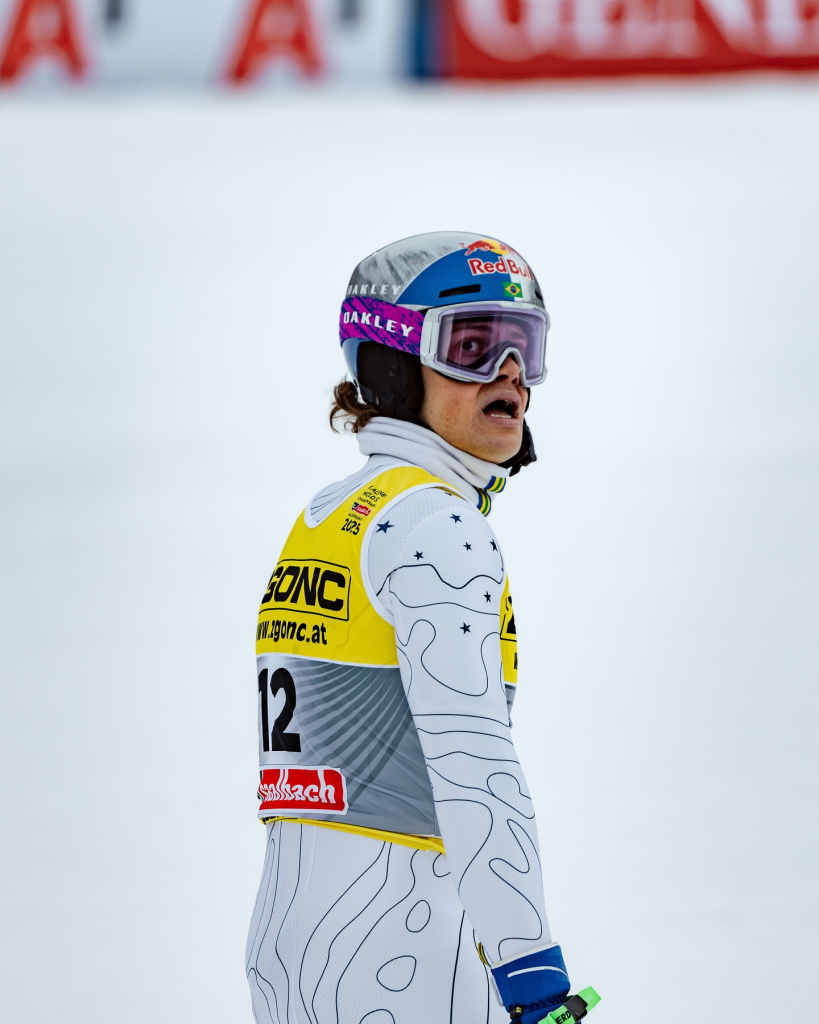
The comebacks were the news that got us all talking before the season began. First, Lucas Pinheiro Braathen returned to race under a Brazilian flag after a year-long retirement. He had ended his career because of disputes with the Norwegian Ski Federation over his clothing brand. The Brazilians did not have trouble with that. Pinheiro Braathen is a true Brazilian with bilingual parents and was proud to represent this ski-wise exotic country. However, the comeback meant he would have to attack with very high bib numbers and face the deteriorated conditions before he earned a better start number.
More surprising was Marcel Hirscher’s comeback. The eightfold overall World Cup winner retired in 2019, and since then, rumors have been arising from time to time that he would return. But most hints of a comeback on his part were just PR stunts for his ski brand, Van Deer. This time, however, Hirscher meant it and returned using a wild card to represent the Netherlands. Hirscher holds dual citizenship; his mother is Dutch, and he declared that it felt okay to give back to his mother’s country.
In December, another star’s comeback was announced. Lindsey Vonn, an American superstar, decided to return to racing at the age of forty after her knee replacement finally healed. She faced criticism; many declared that risking her health and even life was not inspiring at all. Others doubted her form. Vonn answered these calls like she always does, publicly and loudly.
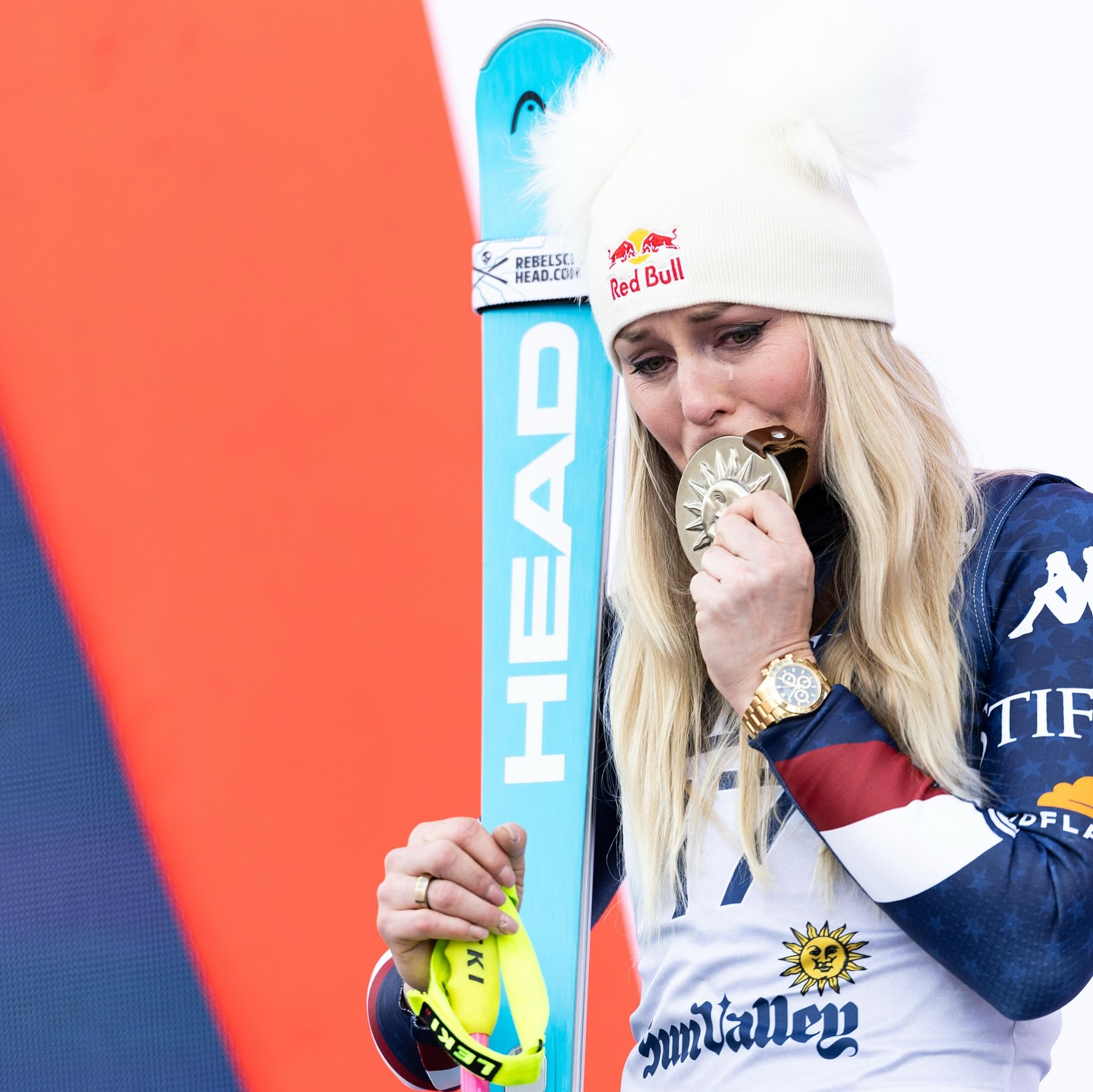
Whatever you think of these emotional comebacks, they spiced up the season and added new emotional twists. It also made the spectators stay glued to their TV sets and spots on the tribune long after the most prominent racers left the stage. And that counts.
Overall Winners & Crystal Globe Champions
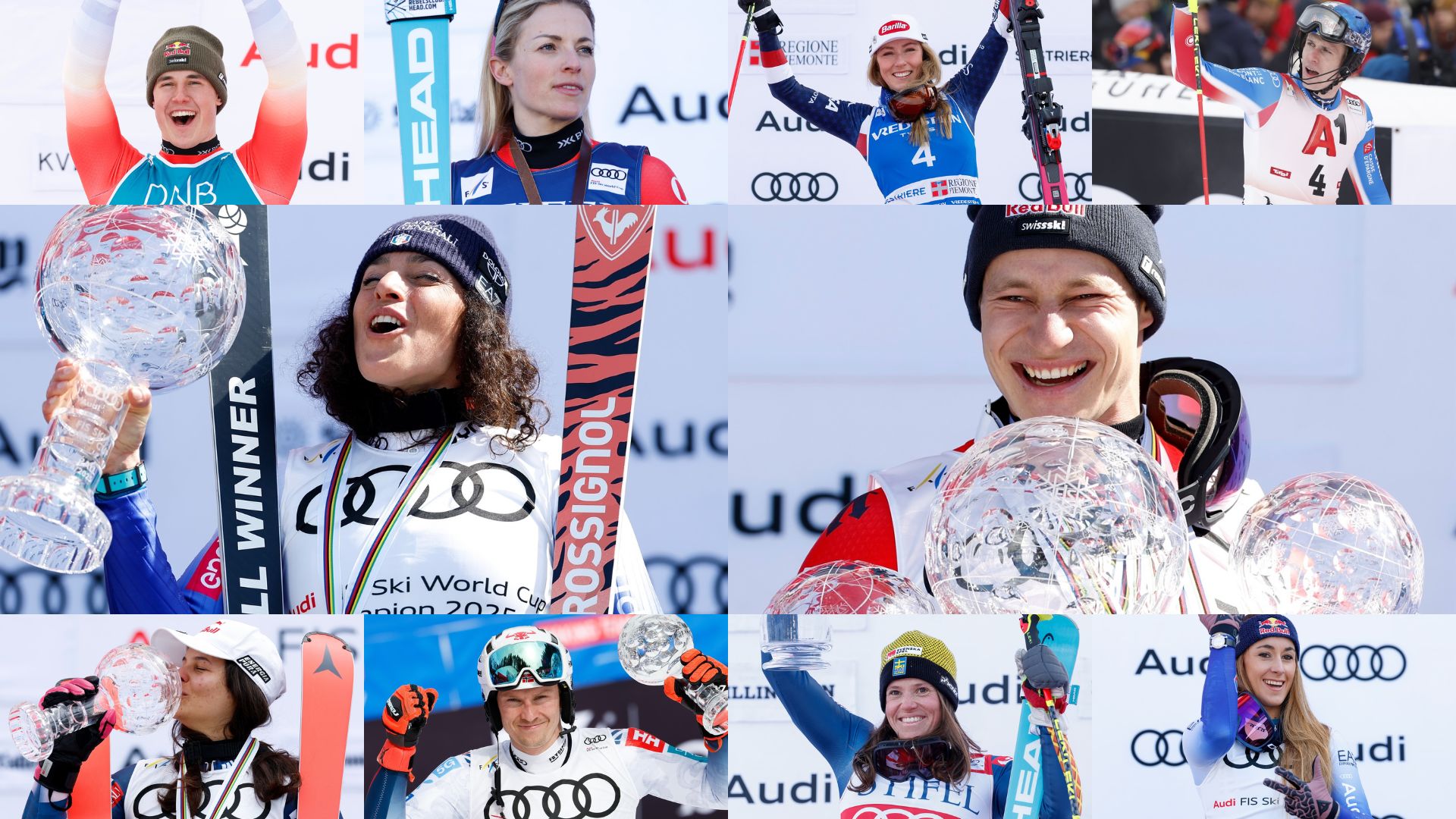
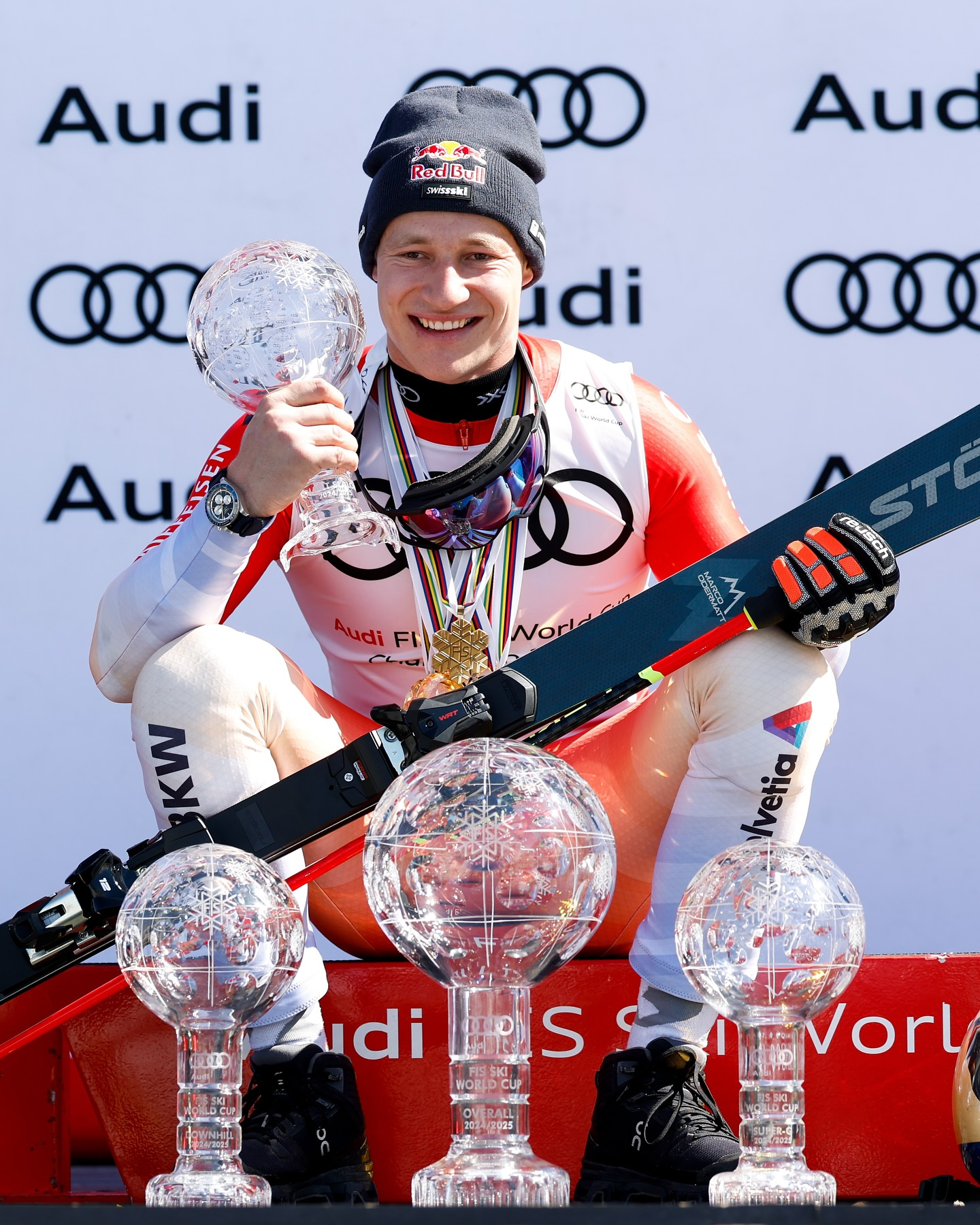
Marco Odermatt won all men’s globes except for the slalom. But this time, he had to fight for it a little, as he had several DNFs in the giant slalom and seemed to be less dominant in this discipline all season long. In super-G and downhill, he continued to dominate; however, he found competition in his own ranks as Swiss speed racers found an impossible form.
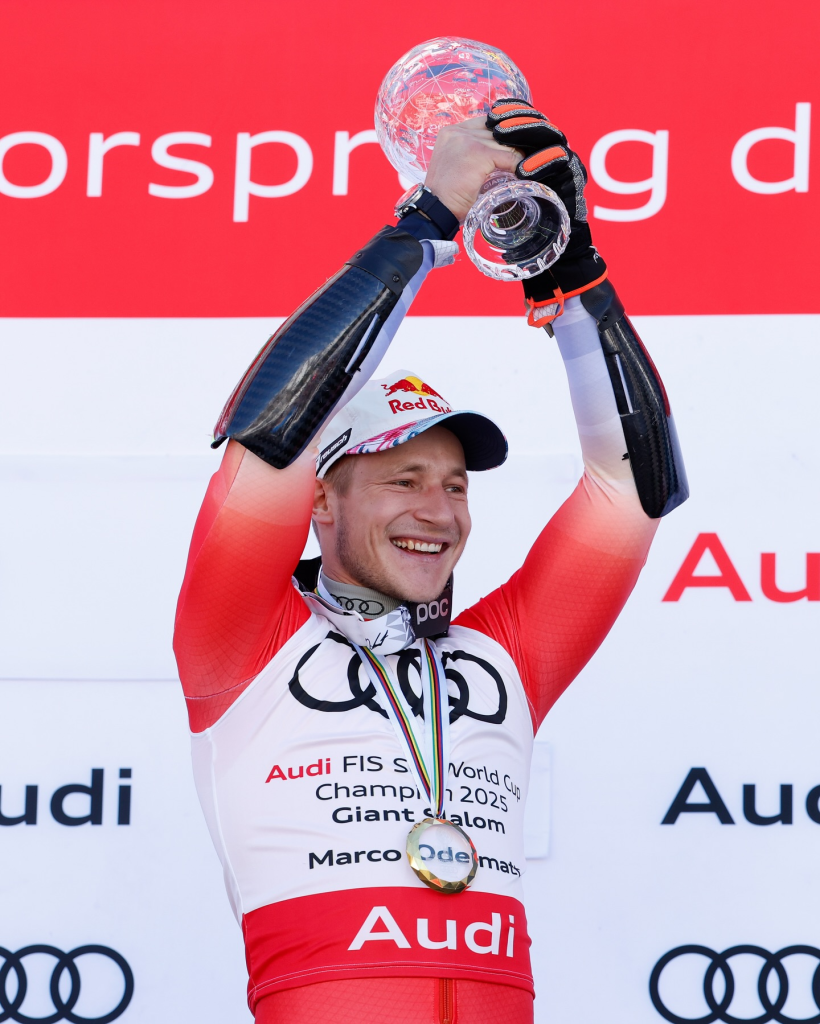
The battle in slalom was decided at the very last moment, as Henrik Kristoffersen got the fourth Crystal Globe of his career.
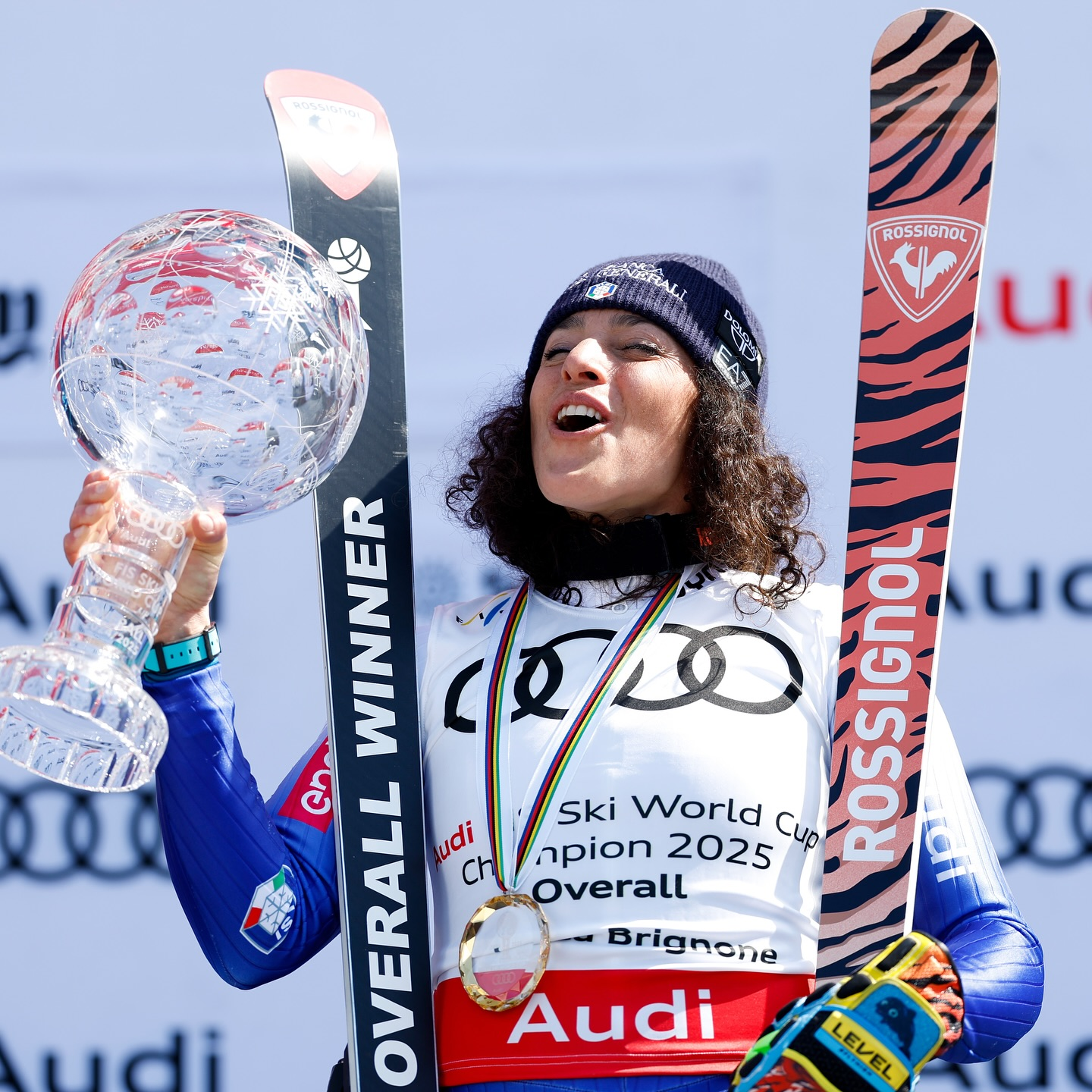
Federica Brignone dominated the women’s competition. She won the downhill and giant slalom globe and the overall title. She was unbeatable, she won all giant slaloms she finished and added many downhill and super-G victories. The super-G title went to Lara Gut-Behrami, who claimed her sixth super-G Crystal Globe, becoming the first woman to achieve such a number.
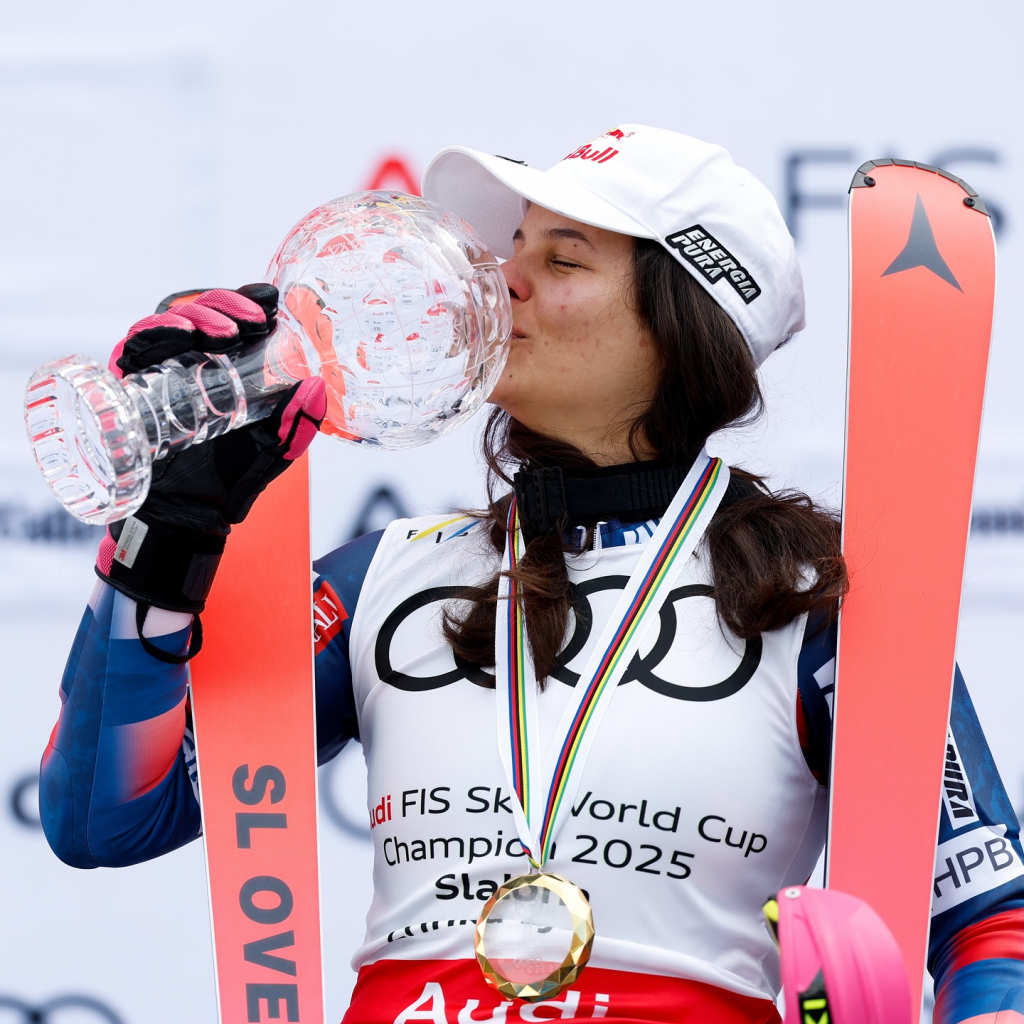
The slalom title went to a youngster. The Croatian miracle Zrinka Ljutic got the Crystal Globe at only 21 years of age.
Headline Moments
Mikaela Shiffrin: From the Deepest Valley onto the Highest Peak
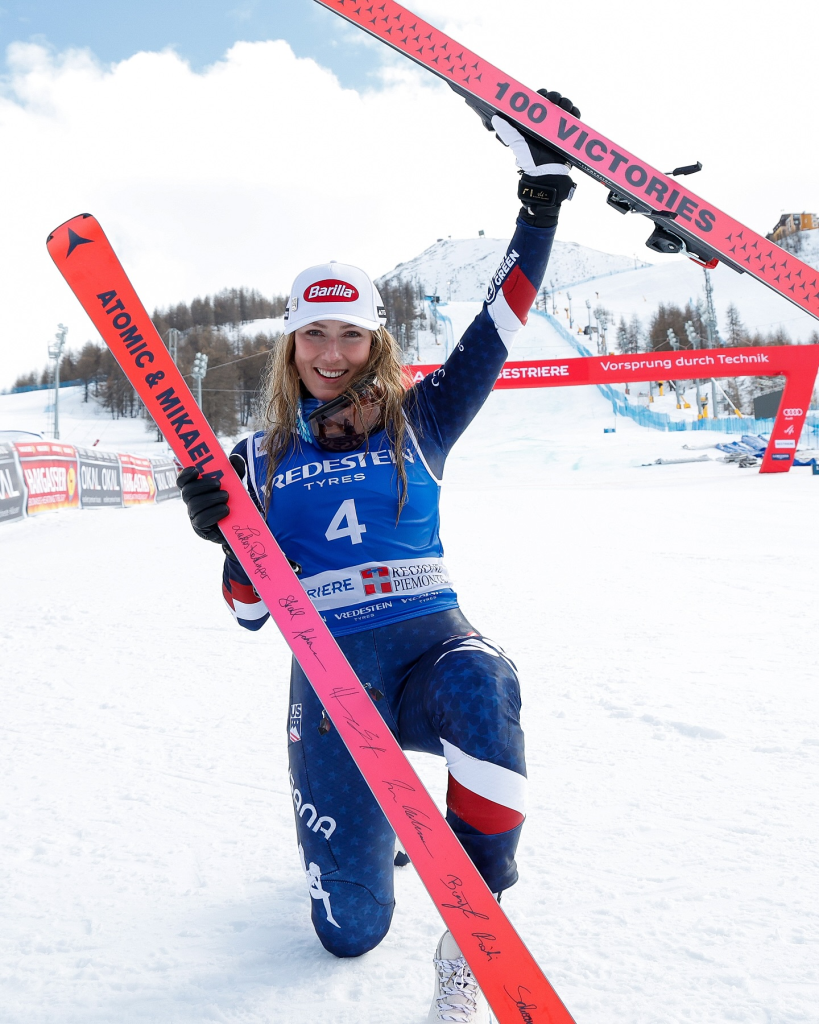
Mikaela Shiffrin stood on the verge of achieving a memorable 100th win, and she could do it at home in Killington. Yet, what was supposed to be a celebration became her biggest challenge. She crashed in the giant slalom race and impaled her belly with a sharp object, probably a pole. This unusual injury got her sidelined for 60 days. Her social media messages inspired many fans as she focused on her recovery and showed resilience and humility. And when she did come back, although very unsure in giant slalom, she took up her old slalom form and broke the record, achieving her 100th World Cup win.
- Related post: 5 Lessons We Can Take from the Greatest Skier of All Times: Mikaela Shiffrin From Another Perspective, Weekend Review: Shiffrin Got Her 100th, and Odermatt Took His 45th
The Swiss Party
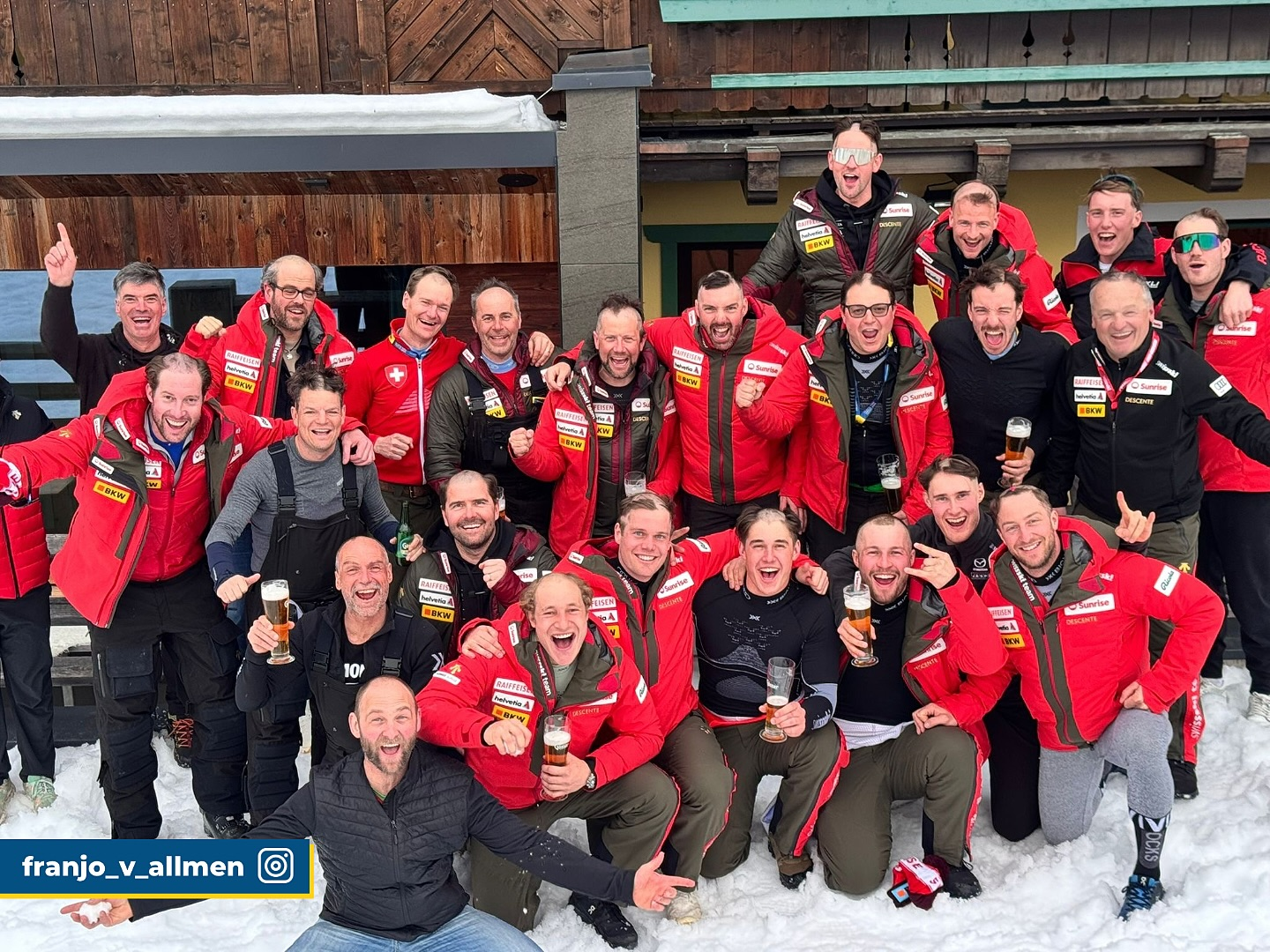
The season, especially the men’s speed season, was a Swiss party, and as the Swiss aces know how to party, it set the tone of the whole season. The speed cracks led by Marco Odermatt not only dominated the podiums of both downhill and super-G but also showed inspiring team spirit. Franjo Von Allmen and Alexis Monney took the season by storm, and as that happened, even veterans like Stefan Rogentin and Justin Murisier got their first World Cup victories. The Swiss even got a clean sweep victory on Austrian soil during the World Championships.
- Related post: Men’s Downhill World Championship and What Comes Next
Lindsey Vonn’s Record
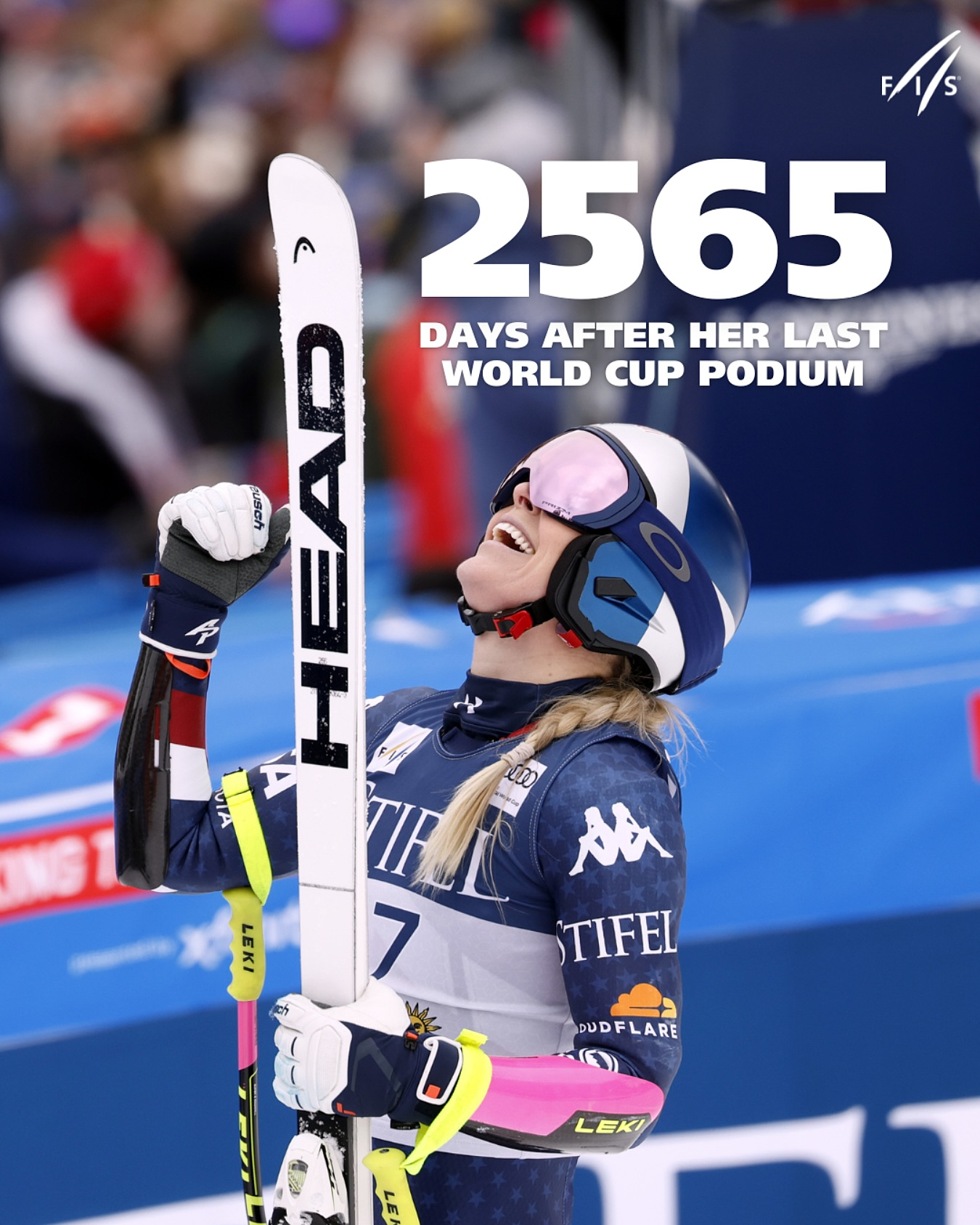
Lindsey Vonn fought through the season, performing at the very best, which is remarkable considering her age and the length of her retirement. However, she kept the best for her home fans for the last moment. During the finals in Sun Valley, USA, she ranked second. This made her the oldest woman to have a podium finish in the World Cup history of alpine skiing.
World Championships
The 2025 FIS Alpine Skiing World Championships took place in the Austrian Saalbach, creating a perfect atmosphere and writing thrilling stories.
The Austrian Spectacle
The Austrians are the most devoted skiing fans on Earth. The organizers prepared terrific conditions, the fans created a fantastic atmosphere, and their racers rewarded them.
Although the party belonged mostly to their biggest rivals from Switzerland, the Austrian racers, who had been having a terrible season preceding the World Champs, exceeded everybody’s expectations. Stephanie Venier won the super-G, Mirjam Puchner was second in the downhill, Katharina Liensberger was third in slalom, and the women’s team combined crew with Katharina Truppe and Stephanie Venier got bronze.
- Related post: Women’s Downhill Review: Deserving American Joy, Straight and Fast Women Super-G Review + Swiss Downhill Qualifiers
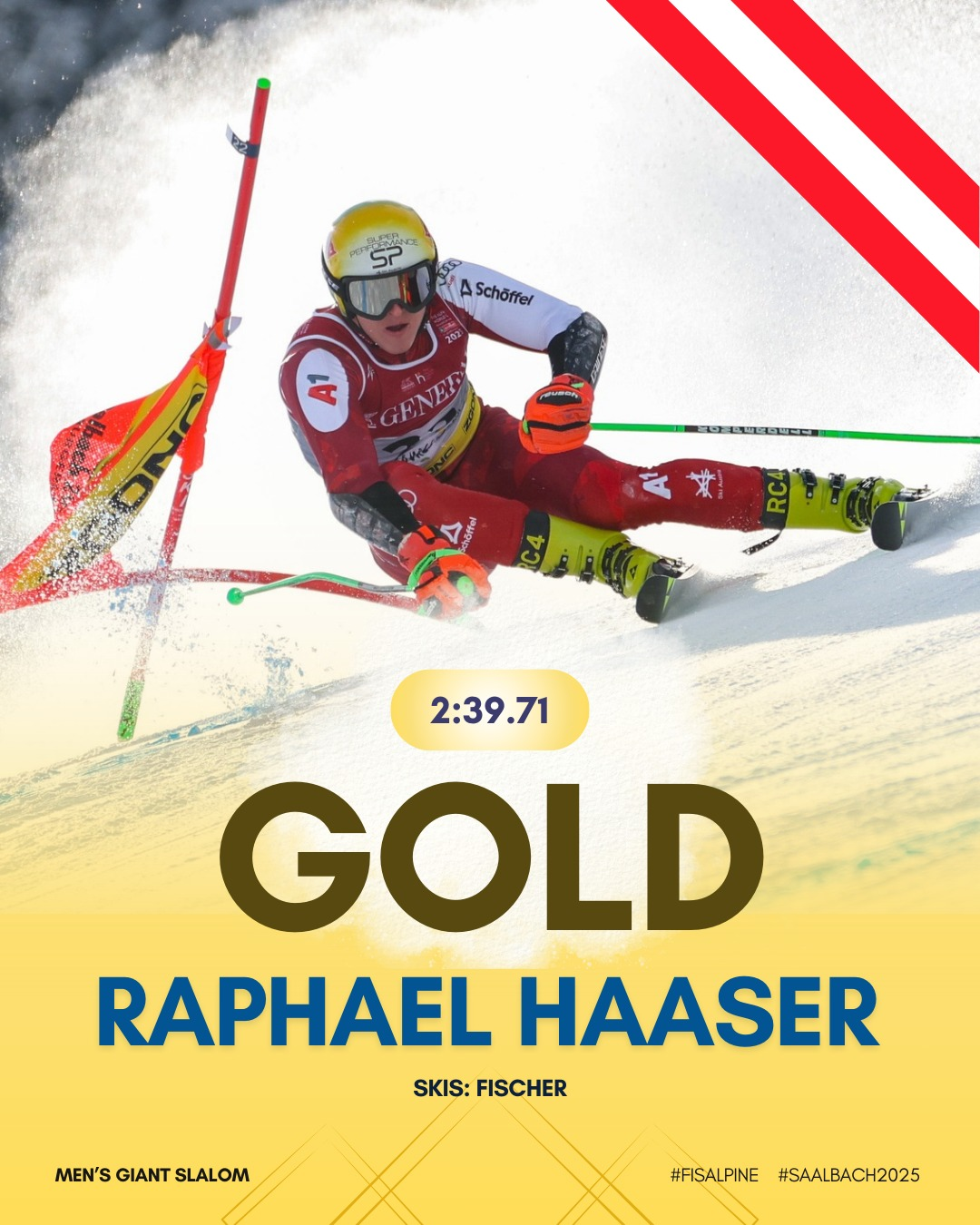
Vincent Kriechmayr, returning after an injury, performed his season’s best to finish second in the downhill. The biggest hero was Raphael Haaser, who stole the giant slalom title from the hopeful Swiss and managed second in super-G. None of the named athletes were dominant throughout the season, bringing their home fans a pleasant surprise.
American Joy
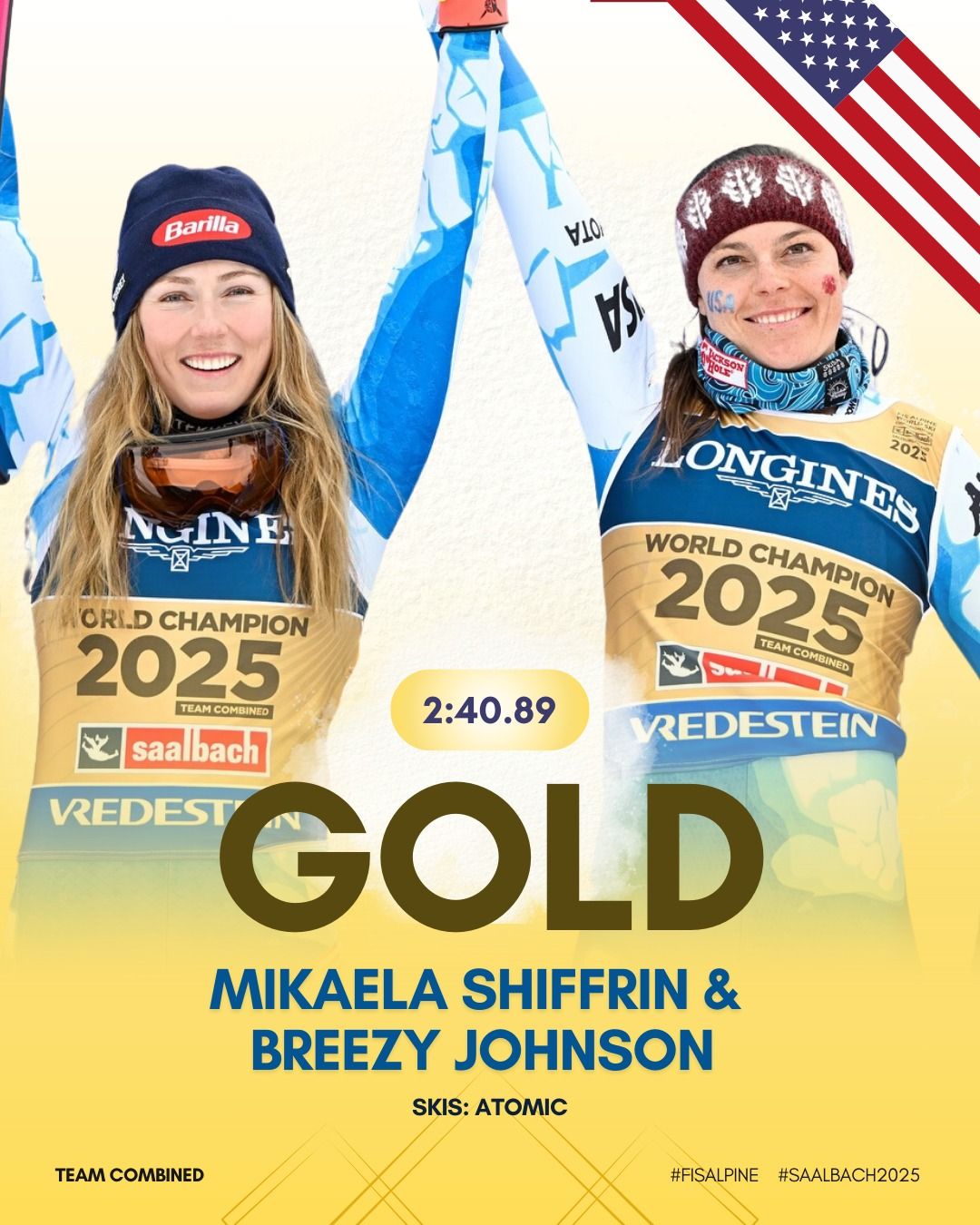
The American women’s team had been knocking on the door the whole season long, and we are not talking about the record-breaking queen Shiffrin or the returning queen Vonn. The speed team with Lauren Macuga and the returning Breezy Johnson stole the medals, silver, and gold, respectively, and then stole everybody’s heart with their team spirit. The same goes for the team combined, where Mikaela Shiffrin and Breezy Johnson got gold, defeating their teammates Paula Molztan and Lauren Macuga. Paula Molztan, however, got bronze in the giant slalom. These ladies showed everybody how good the women’s alpine ski squad is now. And as with the Swiss, much credit goes to the team spirit, not only their skills and resilience.
Team Event
The FIS had been looking for a fifth format to add to the traditional competitions. It should be one that would be popular with the fans and suitable for significant events like the World Champs and Olympic Games. They meant to replace the traditional alpine combined, which fell out of favor with the racers, who tend to specialize more narrowly. The parallel events, however, were never popular with the teams and the skiers. However, they loved to race in teams, and the audience loved to watch it.
This year, the FIS invented the team combined, and the perfect format was found. It was a completely different experience, as the downhill racers gave their best and then waited for their teammate to cement the lead (or, occasionally, throw it away) in the second run. The event was full of emotions, thrilling to the very last moment.
- Related post: Men’s Team Event: The Power of Swiss Mindset, Women’s Team Combined: Expectations, Surprises and Emotions
Controversies & Talking Points
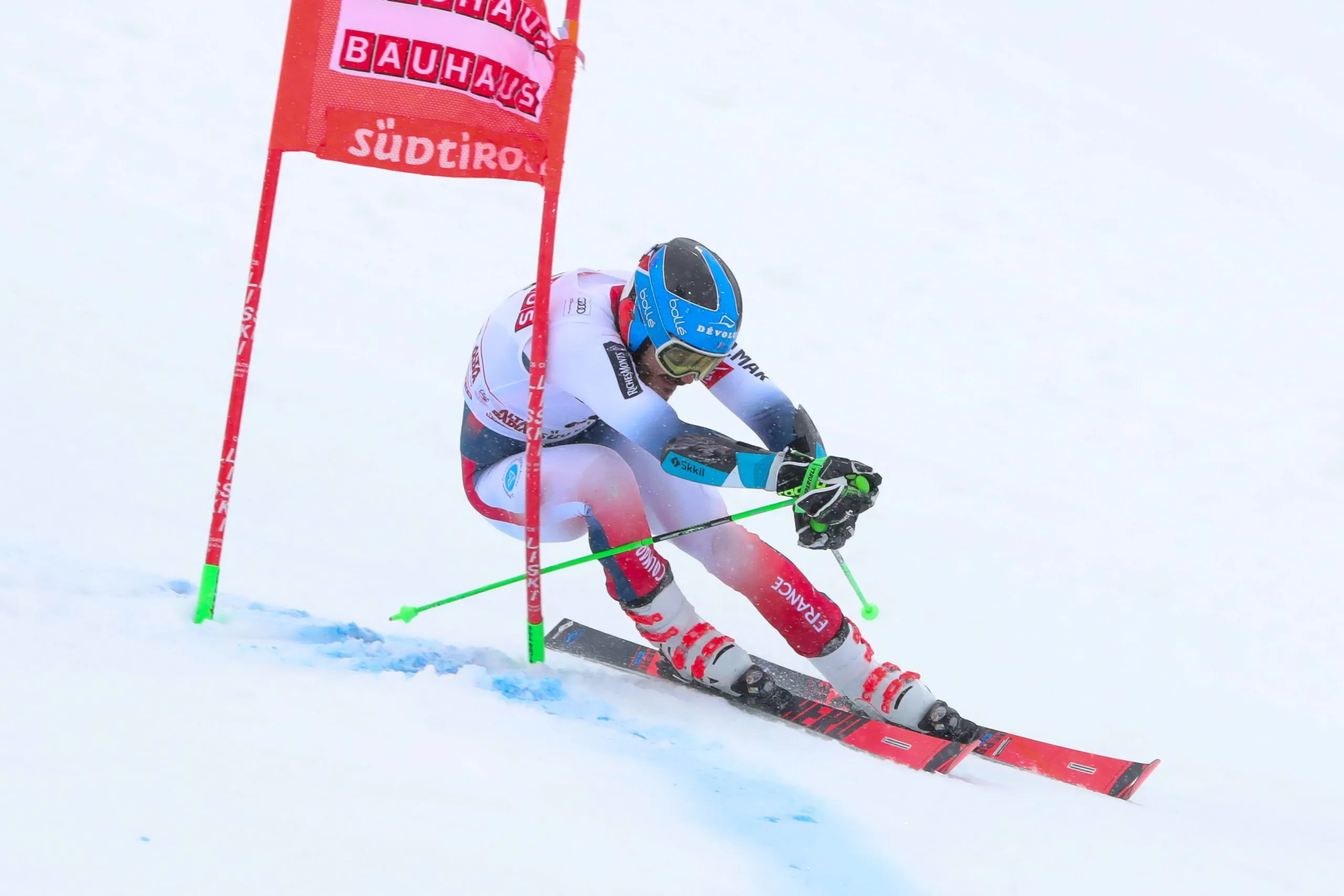
Apart from the discussed comebacks, safety came under scrutiny again. As helicopters flew as often as ever, FIS and media discussed whose fault it was. The athletes blamed the organizers for inappropriate course preparation (Bormio), and the organizers and FIS blamed the athletes and their teams for using too aggressive a setup. A tiny piece of equipment, the carbon insoles, got into the spotlight after a devastating crash of Cyprien Sarrazin in Bormio, and Austrian officials called for a ban on this equipment. Sarrazin suffered a brain injury and is far away from his possible comeback, as even now, four months after the crash, he suffers from double-vision.
- Related post: The Terrible Toll of Bormio. Who’s Fault Is That? Another Safety Controversy, Preview: Scary Bormio and Tiny Semmering
At the beginning of the season, controversy arose around the compulsory use of air vests, which some athletes refused to wear. But the buzz died down as the season went on. However, the FIS discusses another compulsory piece of equipment for next season, namely, cut-resistant undergarments.
Looking Ahead: What’s Next?
The stars are having an end-of-season party, but most won’t have a holiday yet. There are national championships, post-season training camps, sponsor and PR events, and equipment tests. Then they can lie on the beach and enjoy a well-deserved holiday. They have entertained us all season long; let them rest. They won’t be resting long; soon, the gym training will begin, and most of them will return to the glacier snow as soon as August.
Next season will surely be more thrilling than this one, as it will be an Olympic winter, which is always special. We will watch Shiffrin, the Norwegians, the Swiss, or the American girls return in style. Lindsey Vonn will train hard to prove that the last podium was no coincidence; Alexander Aamodt Kilde is said to return after a devastating injury and a series of operations. Lucas Pinheiro Braathen will be attacking with more convenient start numbers; perhaps Marcel Hirscher will be back.
The Swiss youngsters will no longer be rookies, which worries the rest of the field. However, Lucas Feuerstein and Raphael Haaser will pick up where they left off and not let the challenge go unanswered. Alice Robinson, Zrinka Ljutic, and Lara Colturi will continue their breakthrough seasons, and miracles like Malorie Blanc will want to make their mark.
There are many names I left unnamed, many deserving, as they all are. But for now, let us all enjoy the summer and look forward to just another thrilling season.