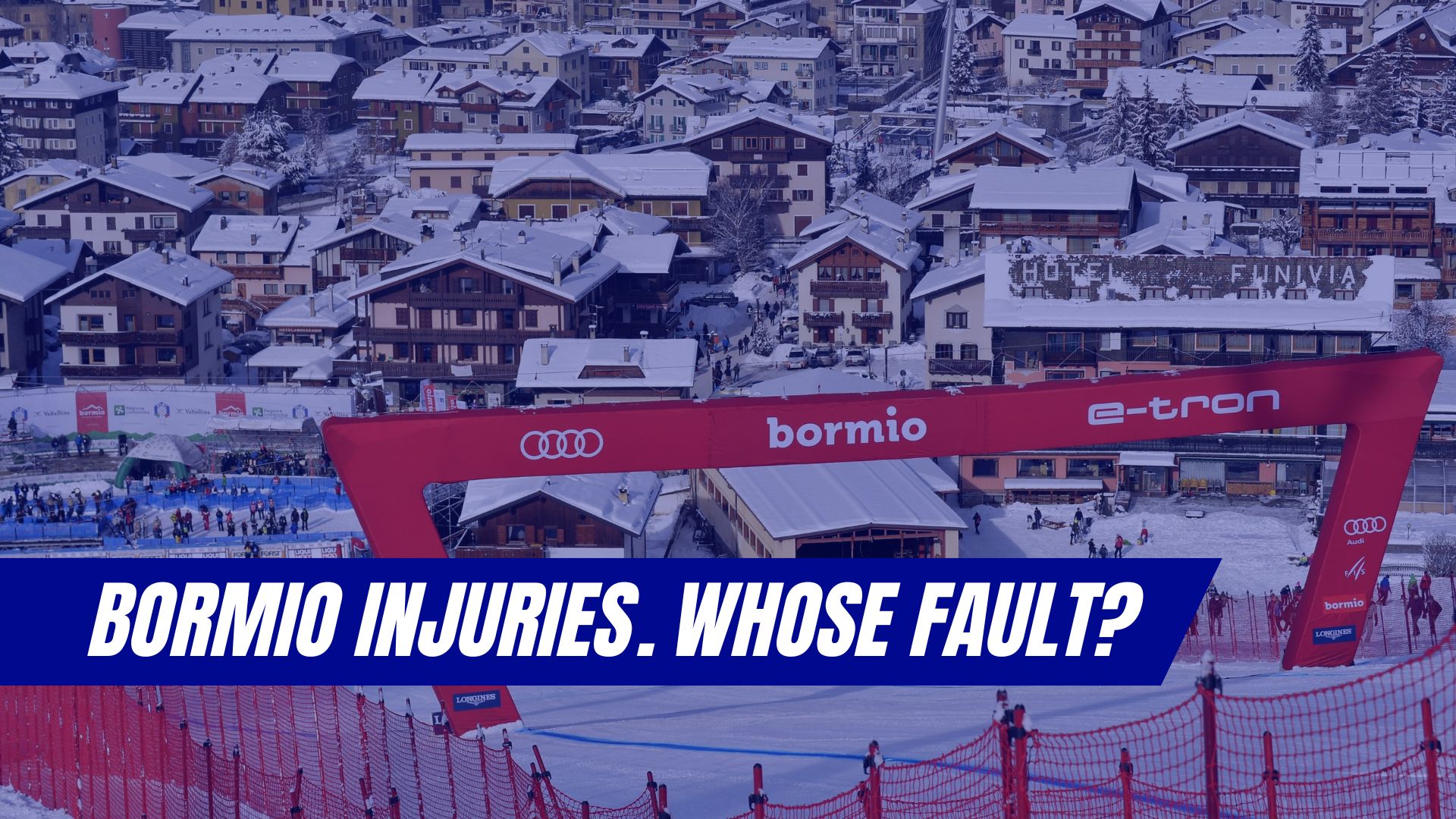
Crashes belong to alpine skiing. Had it been otherwise, the events would have been half as thrilling, both for the athletes and the spectators. Let us not kid ourselves.
Yes, we do not want to watch athletes crash; they don’t want to crash. Yet, the imminent danger of shocking crashes is what they love and what we love.
When we all admit that this is what we adore in the downhill, the heated discussions about safety in speed events seem a little hypocritical. Who wants to enhance safety when the athletes want to feel like gladiators and the spectators come to watch them fight in the arena? Yet, there is another side of the argument.
The audience desires a happy end and wants their heroes to live to fight another day. We love the surge of adrenaline as we watch miraculous recoveries on the track. The sight of a high-speed crash leaves a bad taste, but if the athlete stands up and skis down the slope, our sigh of relief washes that off.
The athletes want to be seen as gladiators, constantly balancing on the verge of danger, but surely do not want to die on the slope.
We want some danger, not a mortal danger.
Thus, every accident, like the one that Cyprien Sarrazin experienced in Bormio, reminds us that the danger might be just a little too high.
We also want to watch a fair fight for the Globes.
However, nearly every race cuts one favorite for the globe down lately, leaving less competition for the survivors, which makes the contest less engaging. When the danger gets worse, the audience is annoyed with just another season-ending injury.
The question remains: what should we do about it?
Was Bormio Specifically Lethal This Year?
After Cyprien Sarrazin (FRA) crashed in the second downhill training, he was taken to the hospital, where the doctors discovered a subdural hematoma under his skull, so he was immediately operated. Only after three days could the skiing world sigh with relief, as he was out of the immediate danger. However, his ankle and vertebrae remain an issue, and a comeback is less likely this year. Furthermore, a subdural hematoma means that Sarrazin’s brain suffered a lot during the crash and needs time to recover. Such crashes, if repeated, might damage the brain for life.
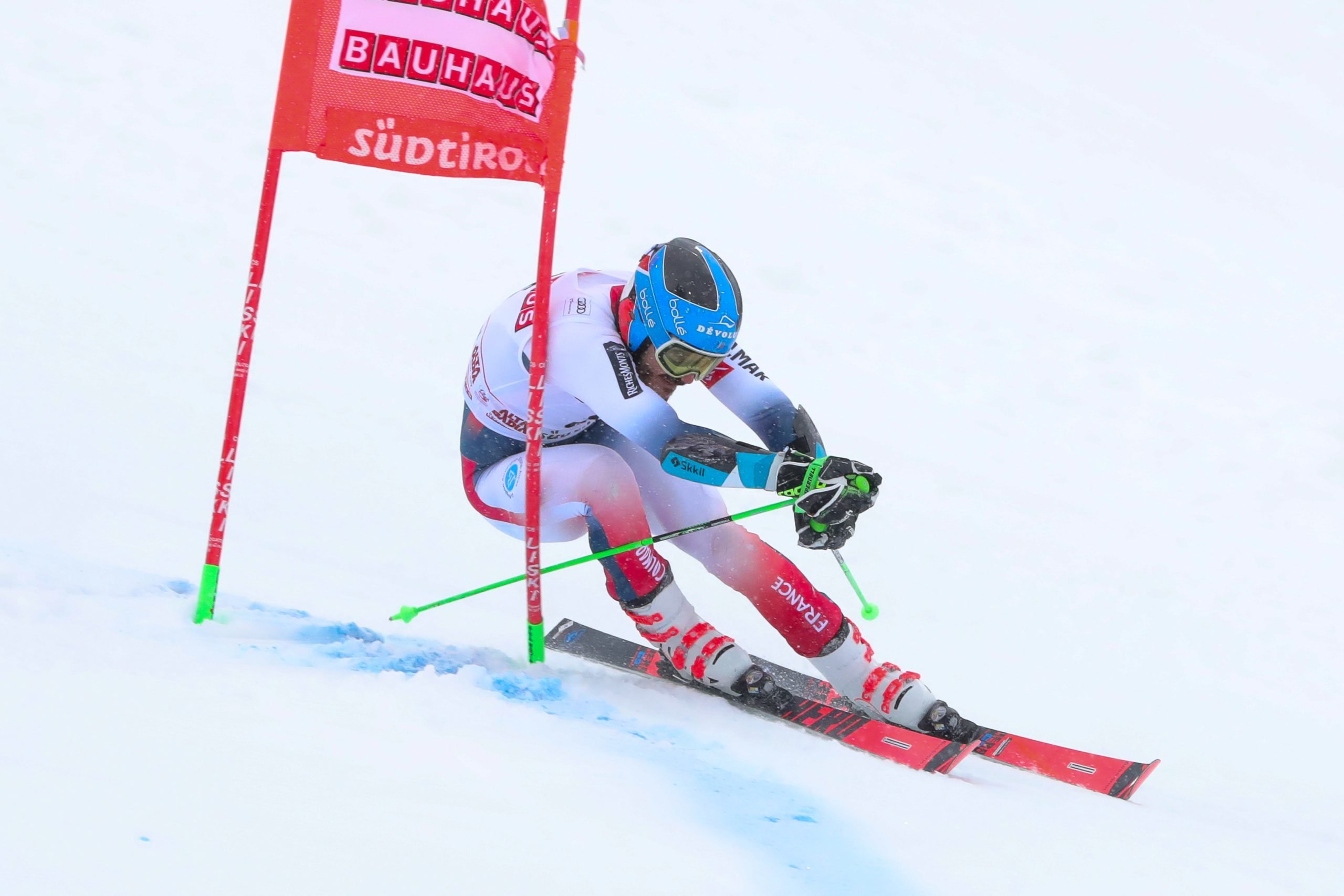
Remember Mauro Caviezel, who tried to return after a severe case of concussion that he suffered after a training crash in 2020. His vision just did not allow him to race, and for months, the concussion made his everyday life difficult.
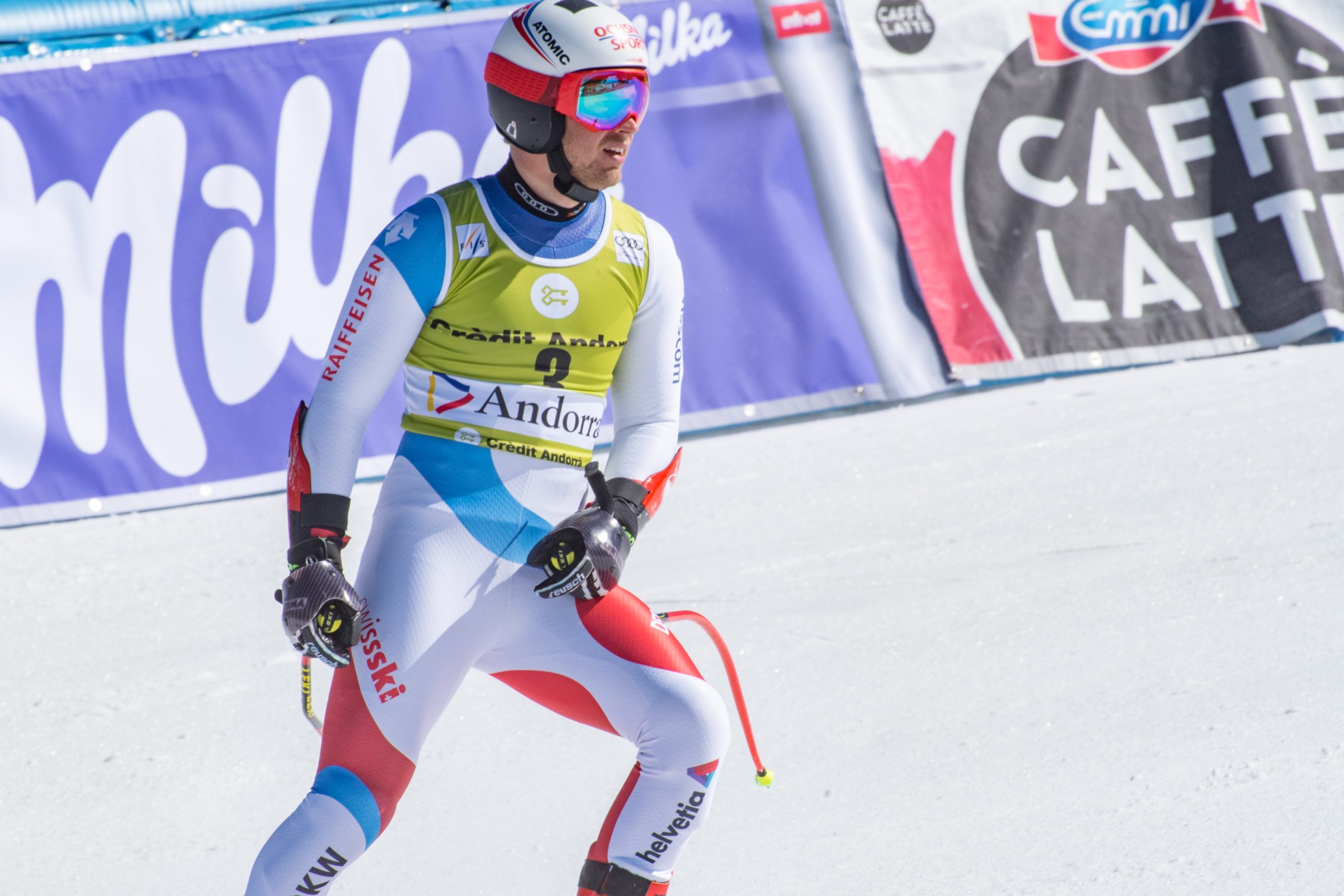
Immediately after Sarrazin’s crash, his French colleagues criticized FIS and the Italian organizers for course preparation. Nils Allegre criticized the fact that those in charge had not prepared the route properly and spoke of a disrespectful attitude towards the athletes. Marco Odermatt (SUI) and Romed Baumann (GER) also expressed concerns. Odermatt emphasized that the changing snow conditions made the Stelvio route particularly difficult this year and that the athletes had no choice but to see the challenge as a fight for survival.
The criticism must be taken seriously as Bormio will host an Olympic downhill next year. Of course, Olympic downhills are meant to be difficult and dangerous, but you don’t want them to be lethal. The point of a challenging downhill course is that the best athletes must thrive on it, while the less competent might fight for survival. If the likes of Allegre and Odermatt speak in such terms, the organizers have work to do until the Olympics.
Or Was the Equipment at Fault?
FIS did not take the criticism lightly, yet they explained the tragic events their way. The FIS director, Marcus Waldner, stated that the equipment is simply too aggressive. Waldner emphasized that athletes’ equipment is now being pushed to the limits of what is possible. This is an essential factor to consider in falls like Sarrazin’s. He called for teams to allow more leeway in equipment adjustment to increase safety.
Marcus Waldner has been talking about enhancing the safety of the athletes for years. Last season, FIS made some changes to decrease the load of races. The decision was made to give athletes more time to rest and limit the substitution of canceled races. The calendar is still overloaded, especially for the all-rounders, racers who race more than two disciplines and still receive criticism for overseas travel, but things have improved in this area. Yet, the number of injuries did not decrease.
Waldner has his answer and blames it on the equipment:
“It’s the whole package: The ski boot, the plate, the binding, and the ski itself. We need to talk about the full package.”
Furthermore, the slopes are getting harder and icier. The teams demand fair conditions for all bib numbers; the only way to achieve this is to prepare the track to hold longer. Thus, ice adds to the danger and asks for more aggressive equipment.
So, the athletes push it all to the limit.
Waldner explained that the danger does not lie in the speed itself. The speed gun measures roughly the same speed of the skiers as it did in the past. The problem is in the turns; the combination of the ice, equipment, and harsh competition increases the speed in the turns and, thus, the forces the athletes’ joints and bones must endure. This might lead to more crashes and injuries because the athlete’s body parts are constantly worn out at every turn and snap more likely during a collision or even without it.
It’s just physics; we are pushing the human body to the limit where evolution did not expect us to go. And this is the result.
Marcus Waldner wants to make the courses softer but counts on the athletes and their teams to complain about it. But if the courses were smoother, the choice of equipment would have to match this fact, and everything would be safer. The courses can also be adjusted to be safer, and there are measures to protect the athletes along the course. We watch more and more athletes ski away from the horrific crash because of these safety measures.
And What About the Airbag?
Our previous article discussed the compulsory airbags and the turmoil it stirred. Bormio demonstrated where the trouble with the air vest lies. The suit is not tailor-made, and athletes’ bodies do not come in series; they differ. Some athletes love it as it fits them. When Odermatt skied with his airbag inflated, it did not limit his movement in the slightest. When Ryan-Cochran Siegel (USA) crashed, his air vest inflated, and although he stood up almost immediately, his main concern was to take that thing off as it made his breathing difficult.
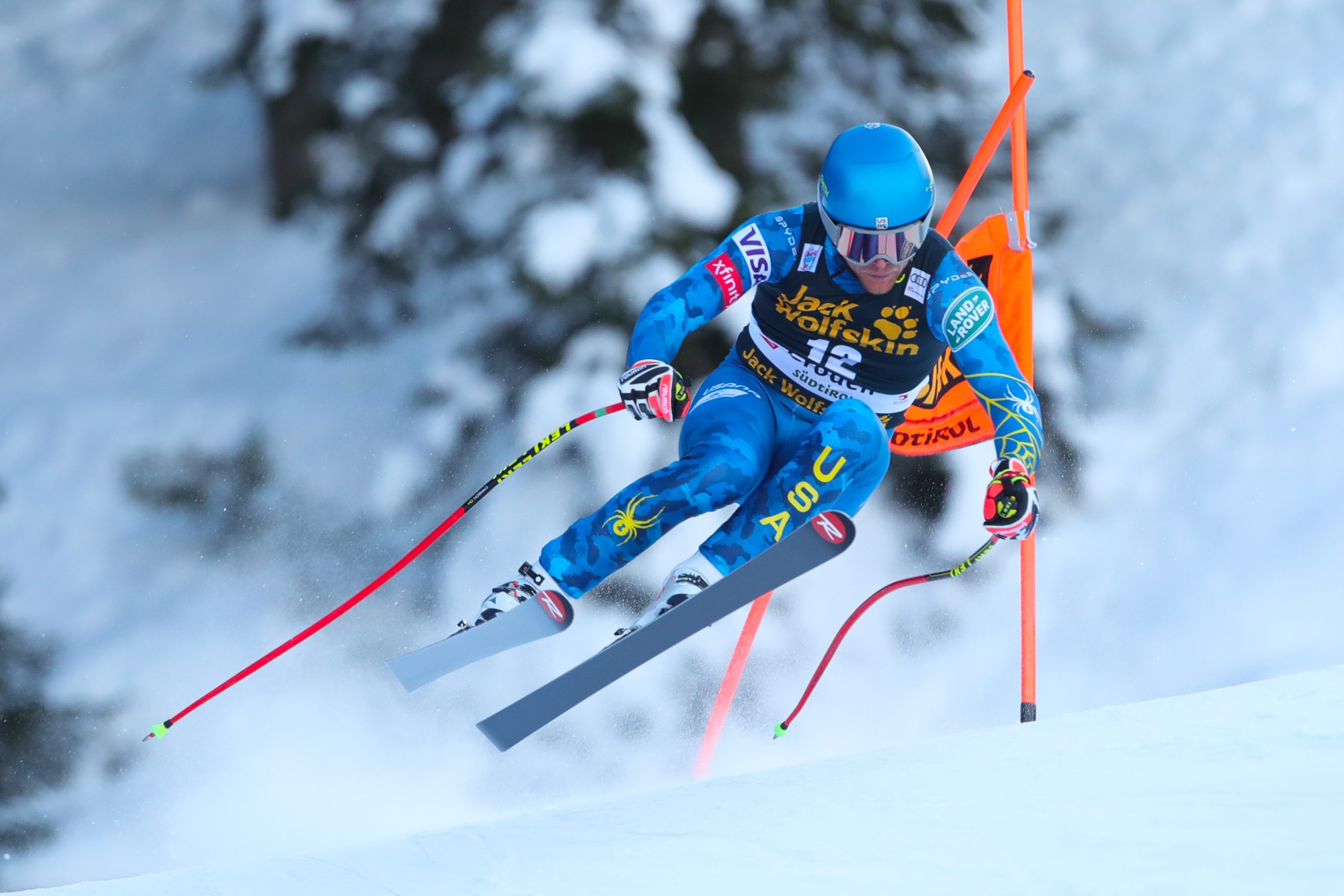
It seems that the airbag obligation might increase athletes’ safety, but the company developing the suit still has a long way to go before its suits contribute to the fairness of the competition instead of decreasing it.
- Related post: The Airbag Controversy
We can only see what the future brings. If things don’t change, we will see more season-ending injuries as the athletes push the equipment to the limit and the organizers make the tracks icier in their hopeless struggle to make the races fair for everybody.
But one thing is sure: every crash and every race, as scary as those on Stelvio, will open up the discussion and, maybe, move the skiing sport a little closer to being safer.