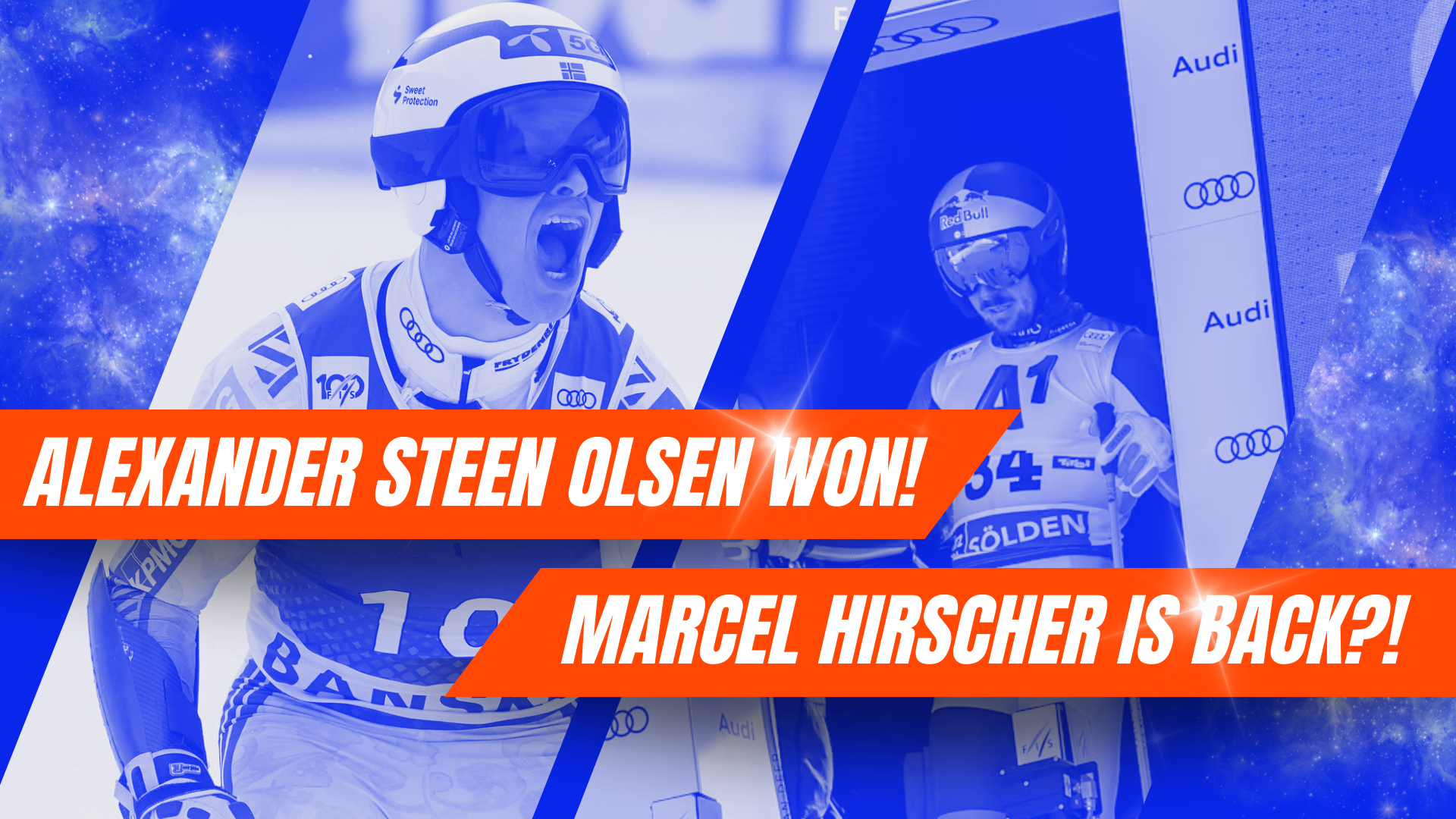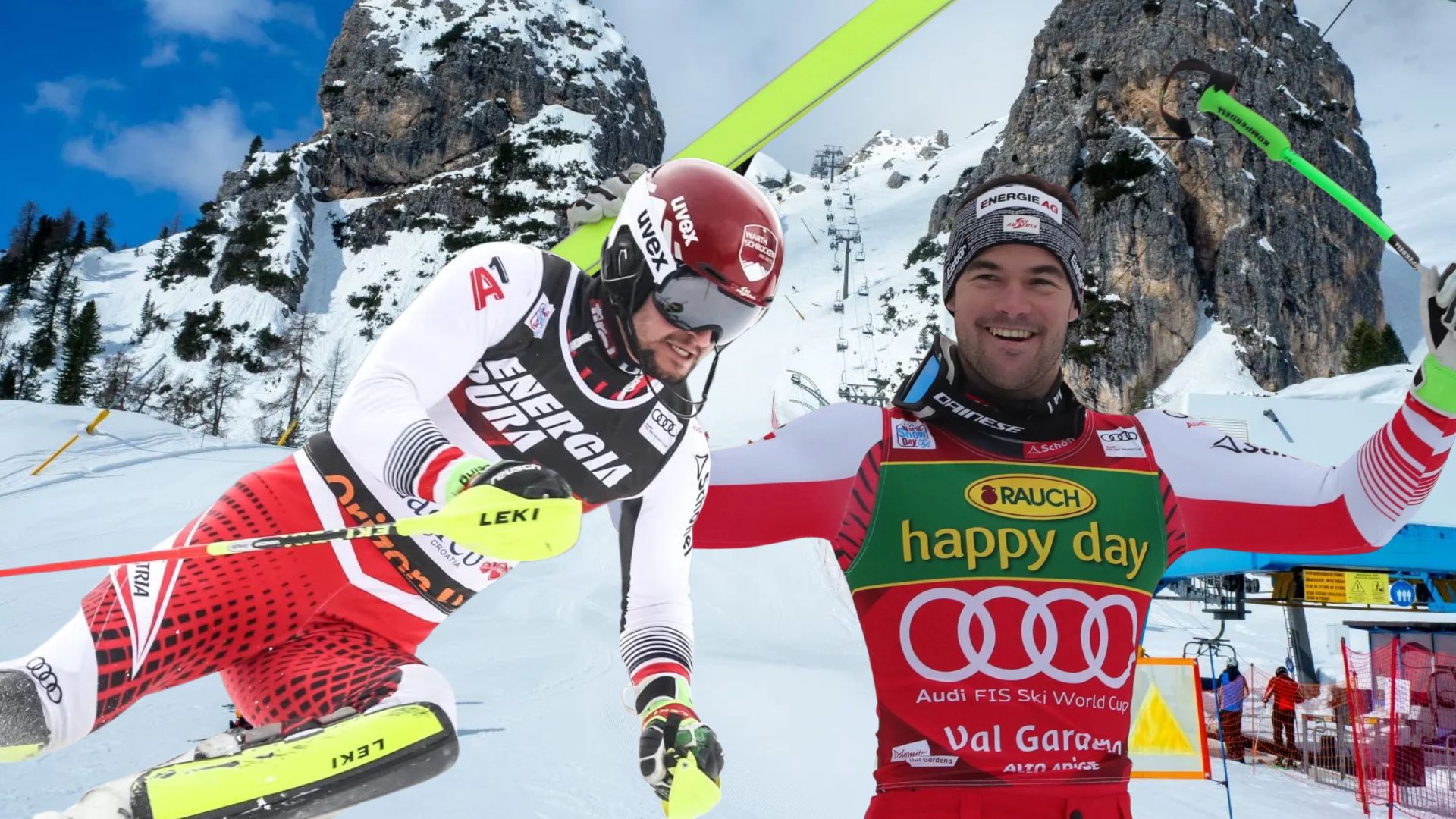
There’s a different tension in the air before the start of the 2025/26 season. There is one apparent reason for this: the Olympics, which are scheduled to take place in February 2026. Every Olympic season feels distinct, because every World Cup start carries extra weight when the Games are coming.
Once every four years, the World Cup becomes more than just a race calendar. For some, it’s a long qualifying road leading to a few golden minutes in February. For others, it’s a desperate attempt to hold on to declining form until their last moment of glory. For everyone, it is about timing the form.
For 2025/26, that road leads to Milano-Cortina, Italy. The venue adds essence to the event — the Alps, the legacy, and the pride of hosting give this season a deeper meaning.
The Stakes: Legacy, Timing, and Once-in-a-Lifetime Chances
Olympic medals rewrite careers. A single run can overshadow an entire decade at the World Cup. That is both the lure and the trap.
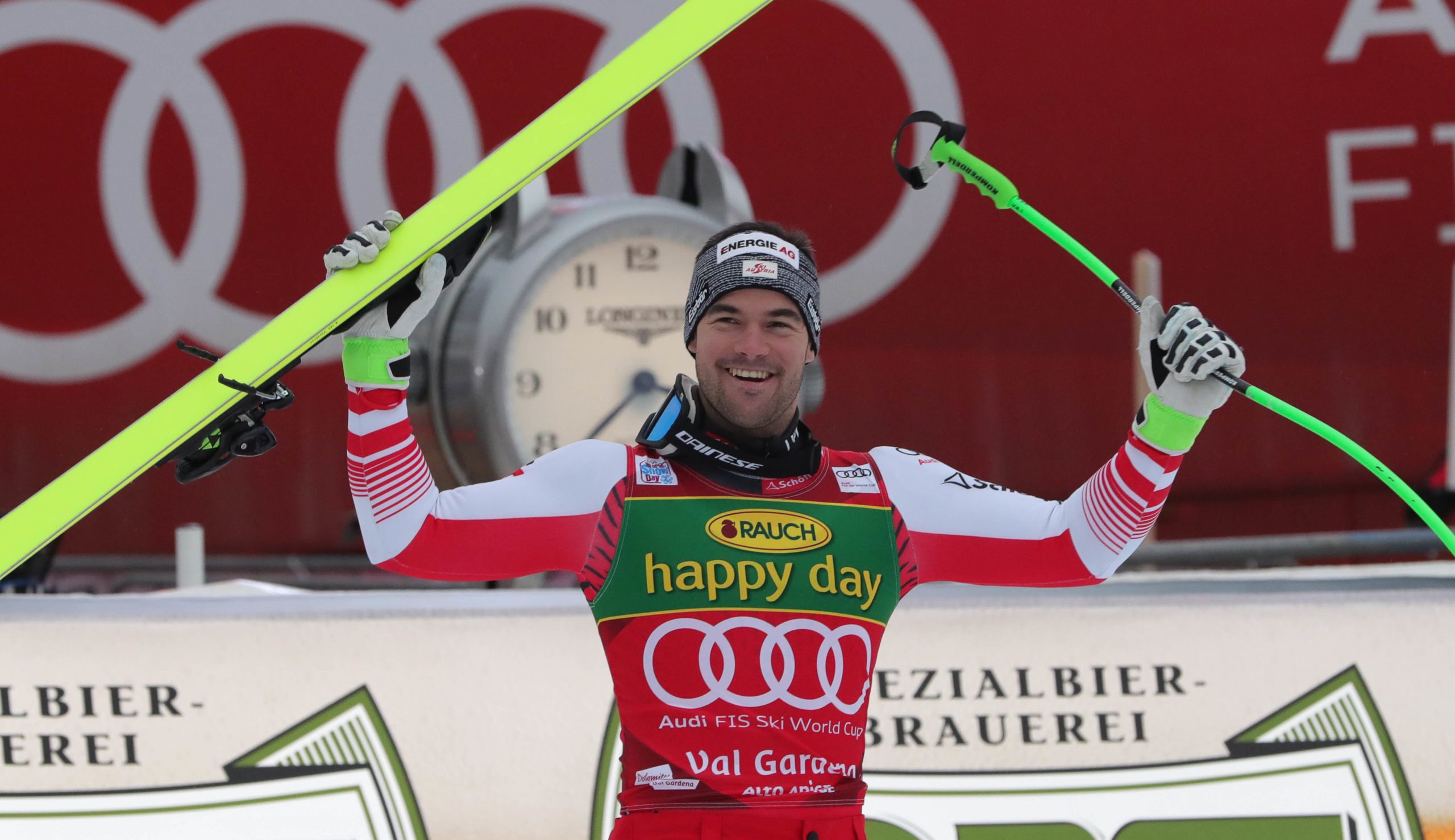
First, there are the veterans. Some racers delay retirement for “one more shot.” Vincent Kriechmayr (AUT) has repeatedly expressed his frustration and thoughts of ending his career, but he postponed the decision due to the Olympic Games being so close.
Lindsey Vonn (USA) returned from retirement, openly proclaiming her beloved Cortina d’Ampezzo as her goal. Even Aleksander Aamodt Kilde (NOR) fights on through his recovery journey — he might have already given up if the Olympics were not so close.
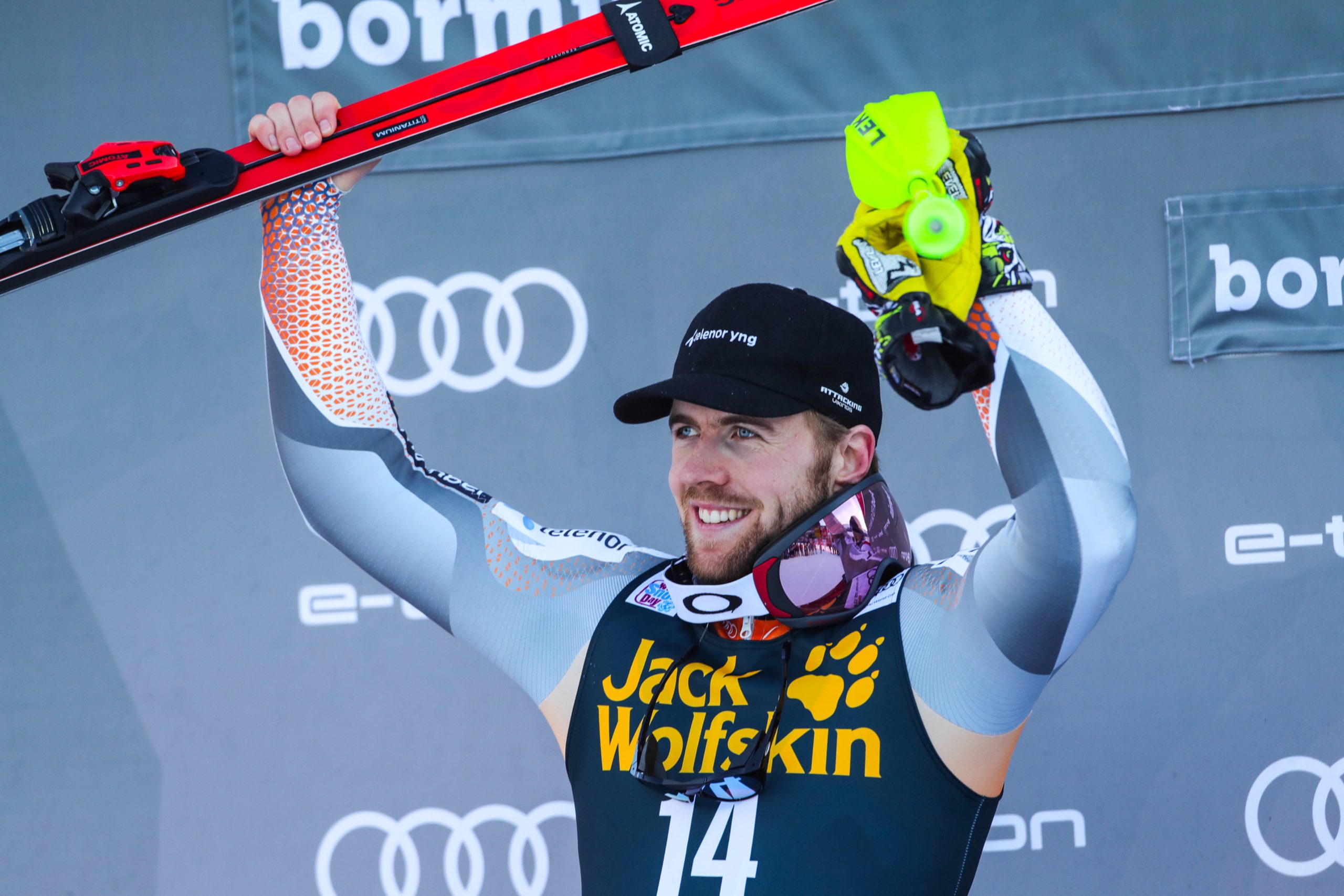
For younger racers, this is a once-in-a-lifetime opportunity. While in other seasons they would patiently collect points and climb the standings, now they want to show their hand, to qualify, to get their moment to shine. Because four years later, they won’t be the young guns anymore.
The Qualification Game: When Even Stars Can Be Left Out
Strong teams like Austria, Switzerland, or Italy itself face an impossible choice. They might have ten world-class athletes, but only four Olympic spots per discipline — and they have to make a choice. Big nations, like the USA, also have to think about the overall quota, as no nation can send more then 11 athletes of both genders. Thus, they compete not only with their teammates, but also with competitors in other sports, sometimes more popular in their country than skiing.
- Related post: Women’s Downhill Review: Deserving American Joy
Internal rivalries heat up. World Cup podiums suddenly matter not just for points, but for tickets to Cortina.
However, for smaller nations, it’s quite the opposite. They can send athletes who rarely score World Cup points and give them a once-in-a-lifetime chance to compete on the biggest stage.
Continental quotas and universal spots open doors for racers from countries with little or no snow tradition. Their Olympic performance may be symbolic, but for them (and their federations) participation itself is a victory — bringing funding, recognition, and experience for years to come.
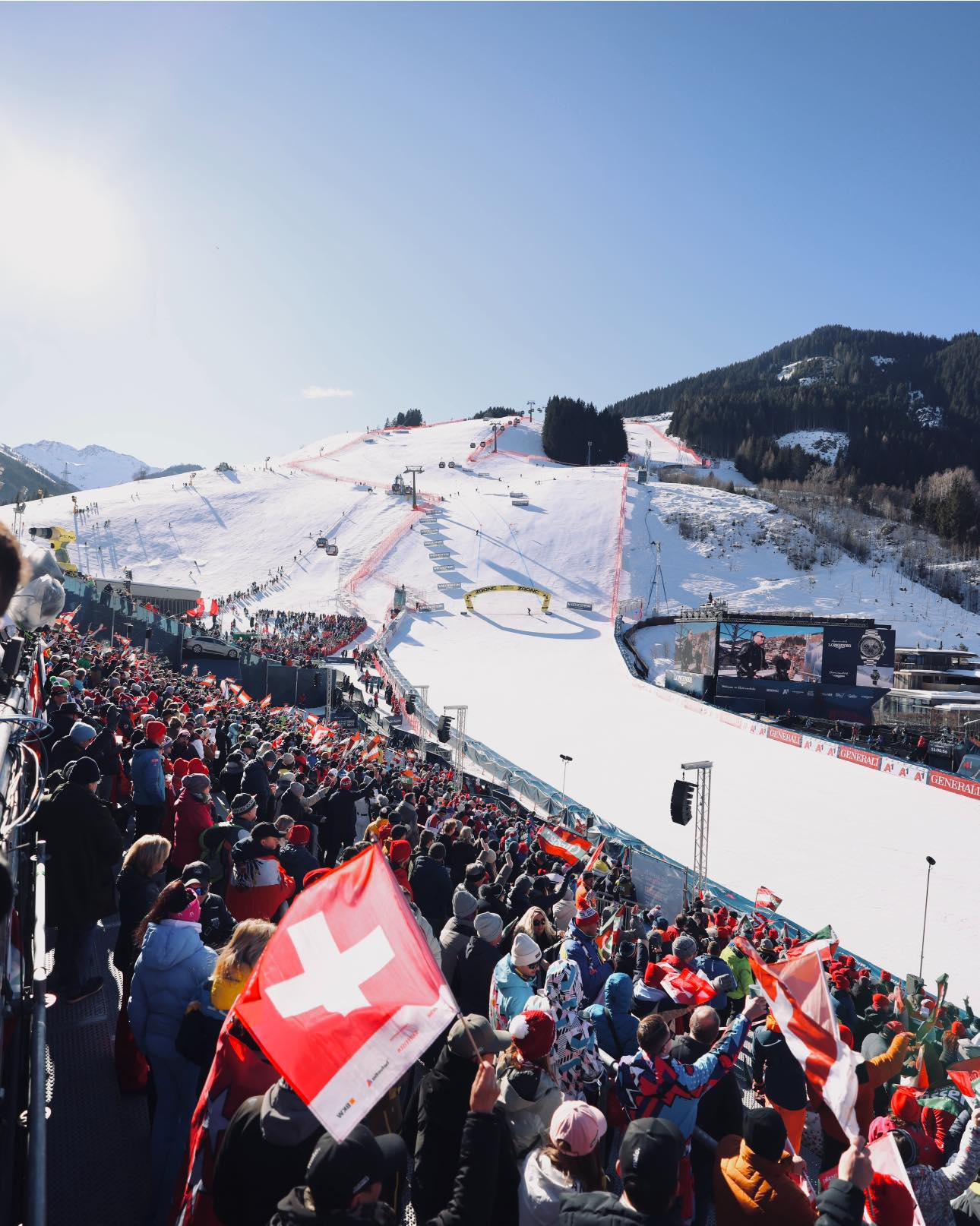
Expect emotional stories throughout the season, as the fight for selection will be almost as dramatic as the Games themselves.
Timing the Form: Peaking in February
The Olympic season rewires the rhythm. Instead of focusing on the World Cup overall standings, athletes train to peak for two weeks in February. This might be reflected in their performance — racers who are not fighting for the overall or discipline titles may save every muscle to shine in February.
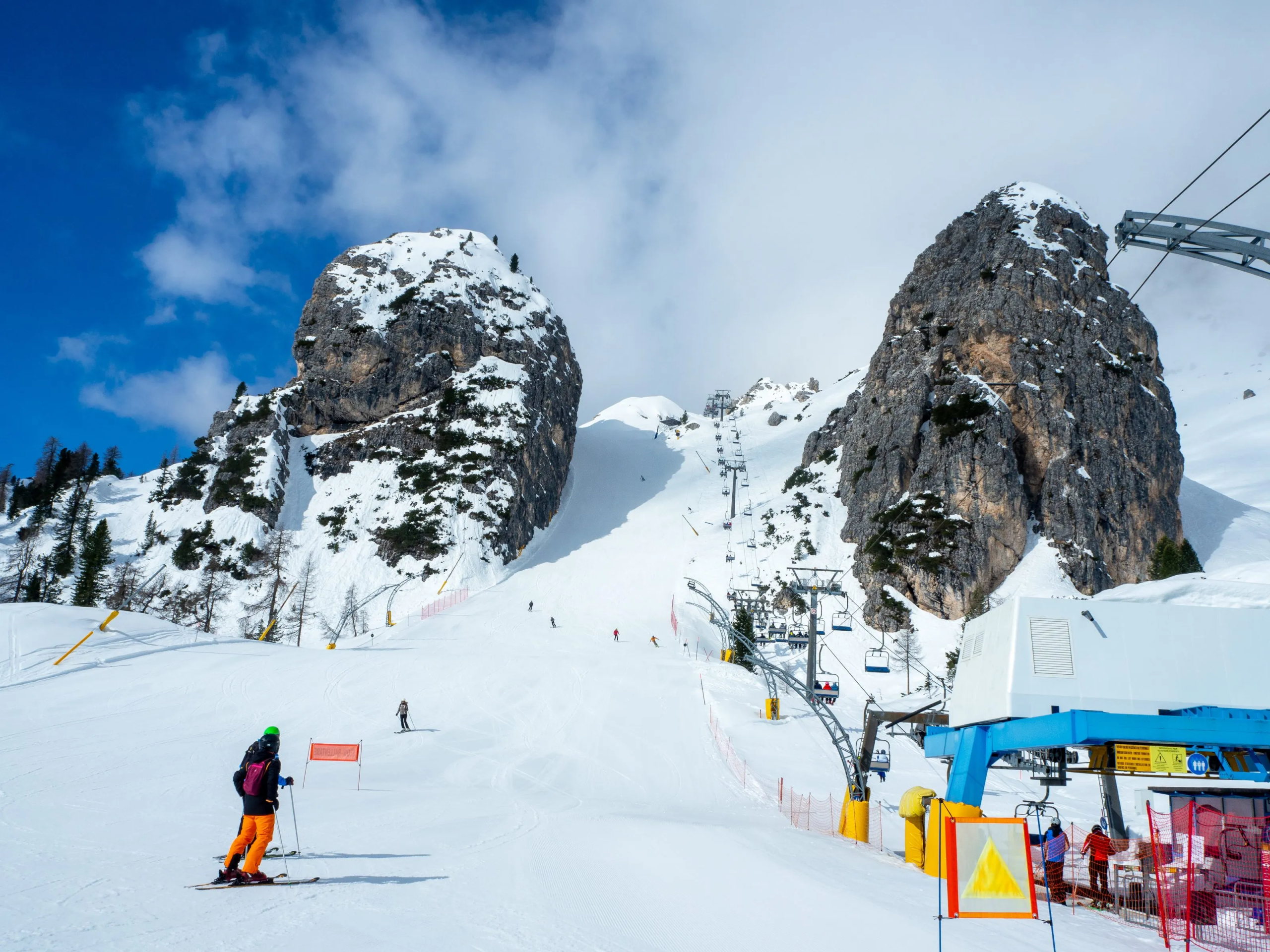
In the skiing world, the Olympic schedule nearly coincides with the natural season peak — after Kitzbühel, Schladming, and Wengen — so the difference might not be that striking.
However, many top racers skip races or shift focus mid-season to protect energy or test setups. Early results may be misleading. Some will “sandbag” through December only to explode in February. And they would not risk that much, not even on legendary tracks like the Hahnenkamm, because the Olympic torch outshines even the brightest stars on the World Cup calendar.
The Psychological Pressure Cooker
The Olympic lens changes everything: fans, media, coaches — everyone watches results and injuries through the question, “Will they be ready for Cortina?” The press asks different questions, especially in nations like Austria, where fans expect their athletes to bring glory to the land itself. As teammates become rivals when national spots are on the line, the psychological pressure touches even the toughest and most experienced athletes.
They all face double pressure: to perform for qualification and to avoid injury.
All in all, the psychological load of the Olympics — pride, expectation, and fear of missing out — shapes the entire season’s atmosphere.
After the Flame: Burnout, Retirements, and New Beginnings
After every Olympics, the rest of the season feels like an afterthought. It’s hard to refocus once medals are won or lost. Many veterans end their careers right after the Games, leaving open spots and uncertainty for the following World Cup year.
New heroes emerge — sometimes unexpectedly — riding the wave of Olympic success. It happened to Johannes Strolz (AUT) after the last Olympics: he rose like a shooting star, dominated the post-Olympic season, only to fade quietly afterward. But some names hold.
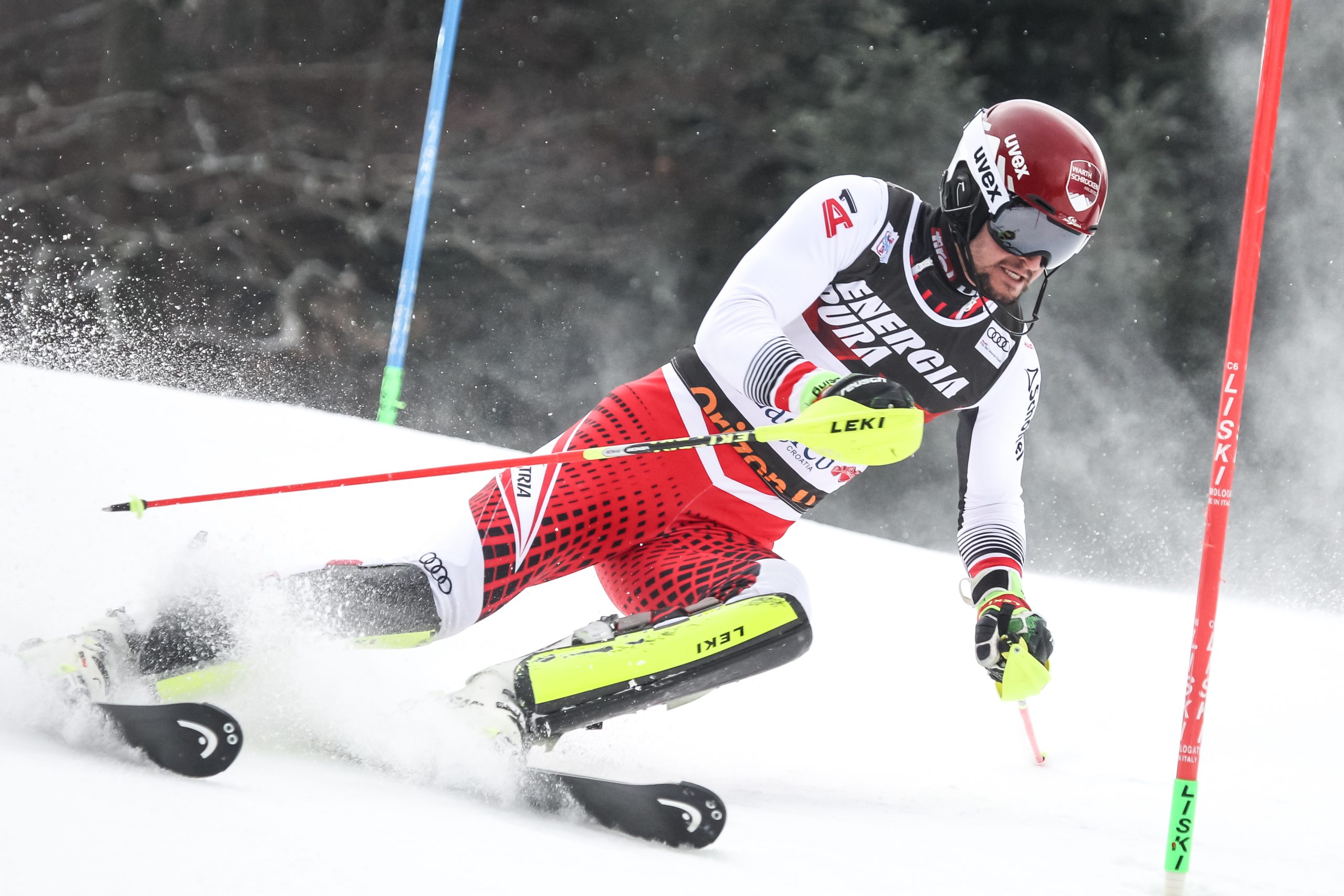
The Olympic season is special because, for skiing nations, it is a chance to showcase their power to the entire world — not just the skiing world — and demonstrate their strength. For athletes from smaller countries or those where skiing is not a national sport, this is an opportunity to feel like heroes who fight for their country. Once every four years, they finally get the attention and cheering of the nation they represent. Those who did not know their names a week ago may chant them in the streets if they shine under the Olympic torch.
But the Olympic torch casts a long shadow. In it hide the demons of self-doubt, the weight of expectation, and the quiet fear of failure.
So let us not forget: both the light and the shadow of the torch will rule the season that is about to start in Sölden the following weekend.