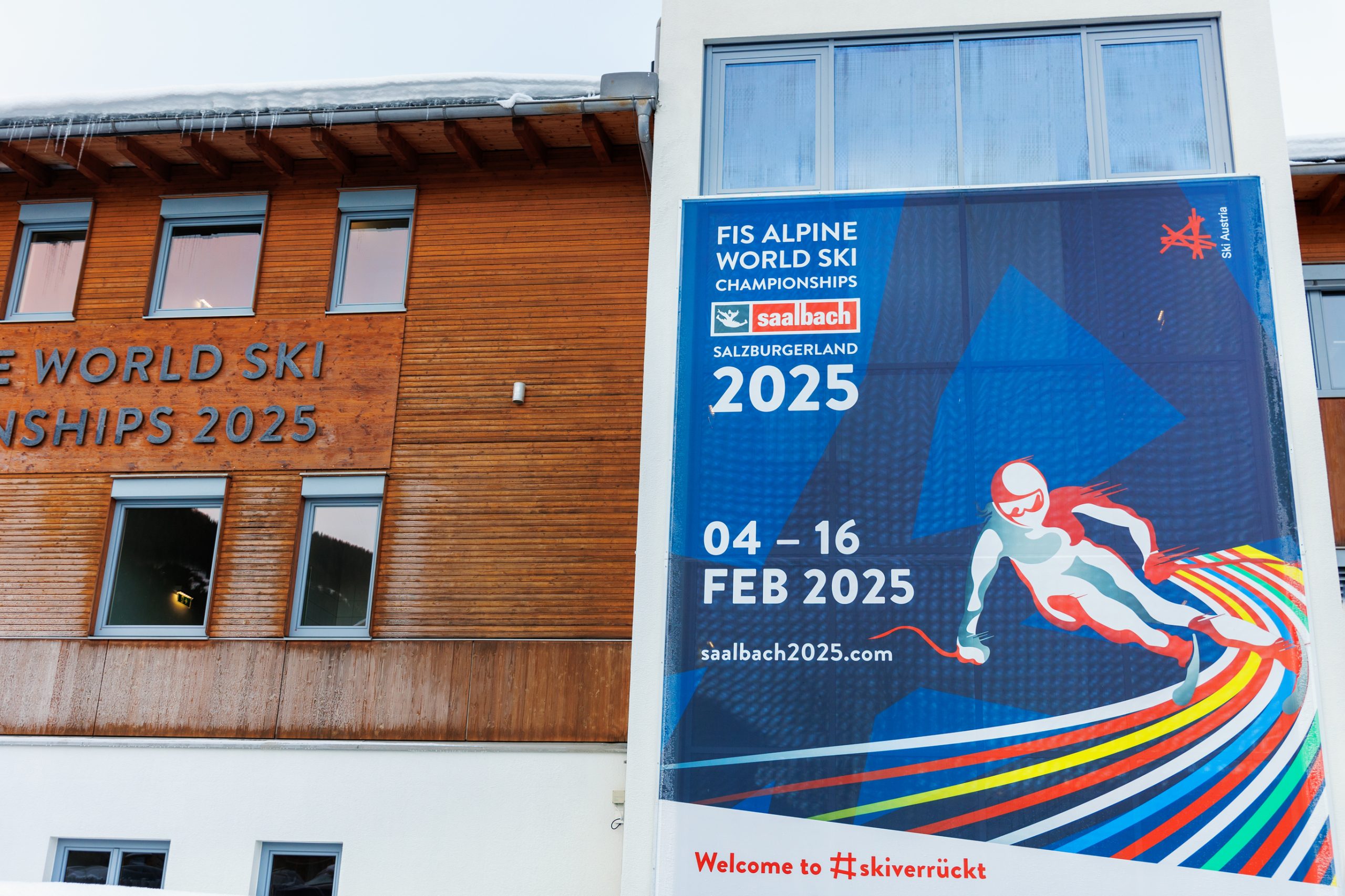
This season’s biggest event for the alpine skiing pros opens on Tuesday, Feb 4. Let’s explore what to expect in the following two weeks.
The Venue: Saalbach-Hinterglemm
Saalbach-Hinterglemm lies in Austria’s Pinzgau region. This says a lot about the atmosphere we can expect. Austrian fans are the most enthusiastic skiing fans in the world; they will create an unforgettable experience for the ski stars.
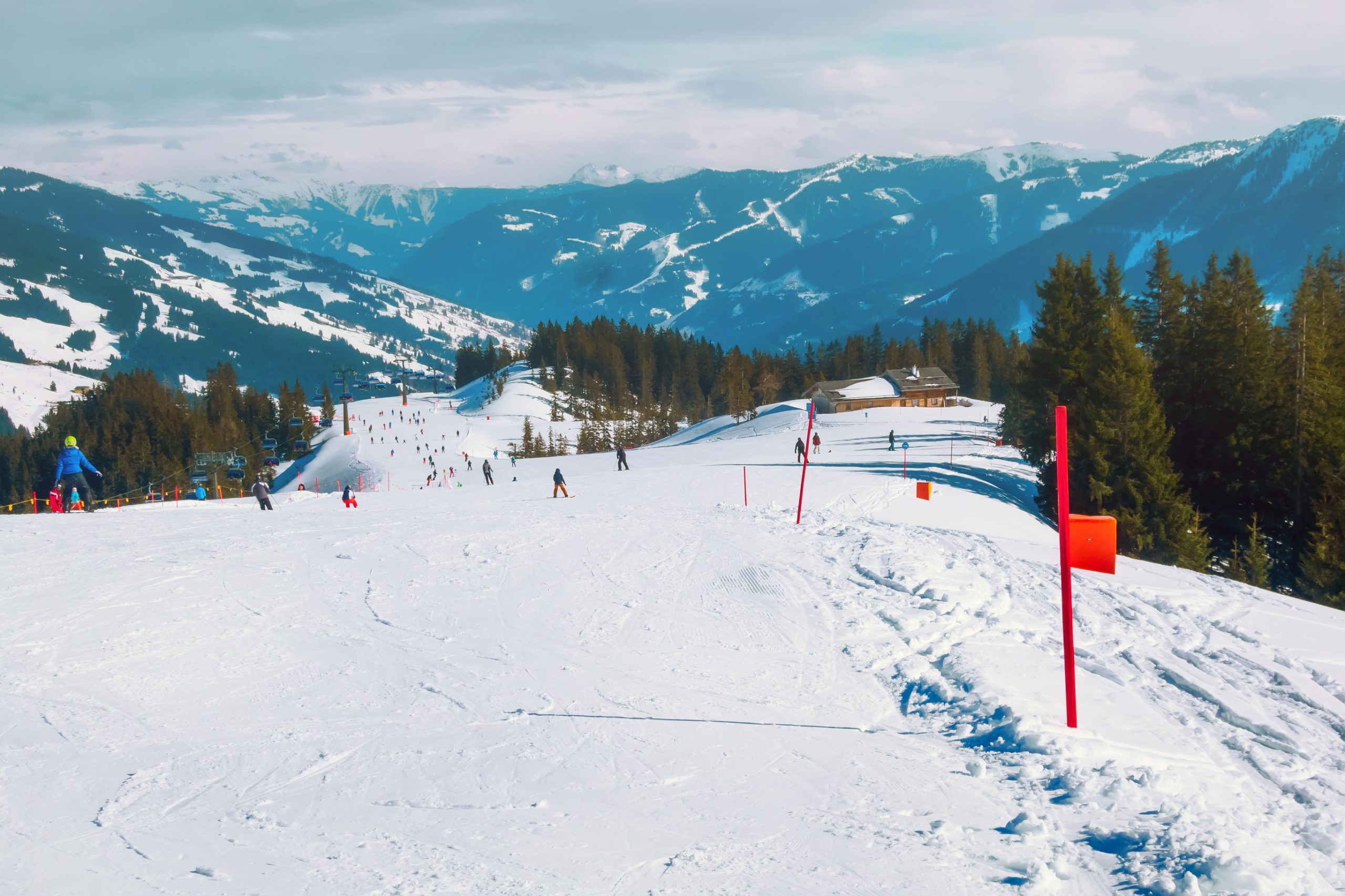
This venue first hosted the World Ski Championships in 1991. All competitions will be held on the Zwölferkogel mountain, a renowned venue within the Saalbach Hinterglemm ski area.
Last year, as is tradition, Saalbach hosted the World Cup finals. Usually, the resort that hosts the World Champs hosts the finals the previous year to test the facilities because, during the finals, all disciplines are held in one venue. Before the previous season, the last World Cup events held in Saalbach were the men’s speed races in March 2021. All events were notable for the great atmosphere and perfect course preparation, even as late as March, so we can rely on the organizers to create ideal conditions.
Who Can Take Part in the World Ski Championships
The first championships in alpine skiing were held in 1931 in Mürren, Switzerland. Then, only six nations competed in two disciplines, slalom and downhill. Until then, the event has evolved to include more disciplines and become more international. This year, we have 11 events; last year, it was 13. This year, the alpine combined is replaced by the new format of the team combined, and there is no parallel slalom for individuals; it is only for teams. The parallel slalom was popular with TV productions and fans but highly unpopular with the racers.
To compete in the FIS Alpine World Ski Championships 2025, athletes must meet the qualification criteria set by the FIS. Each national ski federation selects its team based on quota regulations, with a maximum of 24 athletes per country, limited to 14 per gender. Up to four athletes per nation can start in each discipline, with an additional spot granted to reigning world champions defending their titles. Beyond quota limitations, competitors must meet specific FIS point thresholds. For technical disciplines, additional qualifying runs will take place in Saalbach the day before the actual competition.
Here is the Schedule
| Event | Date | Time (CET) |
|---|---|---|
| Team Parallel | Feb 4, 2025 | 15:15 |
| Women's Super-G | Feb 6, 2025 | 11:30 |
| Men's Super-G | Feb 7, 2025 | 11:30 |
| Women's Downhill | Feb 8, 2025 | 11:30 |
| Men's Downhill | Feb 9, 2025 | 11:30 |
| Team Combined | Feb 11, 2025 | 10:00 |
| Women's Giant Slalom | Feb 13, 2025 | 09:45 (Run 1), 13:15 (Run 2) |
| Men's Giant Slalom | Feb 14, 2025 | 09:45 (Run 1), 13:15 (Run 2) |
| Women's Slalom | Feb 15, 2025 | 09:45 (Run 1), 13:15 (Run 2) |
| Men's Slalom | Feb 16, 2025 | 09:45 (Run 1), 13:15 (Run 2) |
The Disciplines of the World Championships
Team Parallel
The first day opens up with team parallel. It is the parallel slalom, where two racers compete against each other on parallel tracks. They switch tracks after their first run to make it regular, as it proved impossible to maintain identical conditions on both tracks. Two men and two women compete in a team of four, advancing through the table to the semi-final and final. This competition takes place in the afternoon and is usually a party event.
Parallel events are unpredictable because not every nation sends its best athletes on the track, and not all athletes are the best parallel racers. All Austrians remember with horror how unknown competitors beat Marcel Hirscher. Further changes in the rules also make it a little confusing, and as this competition is not held anymore during the World Cup season, we dare not mention any favorites.
Speed Races
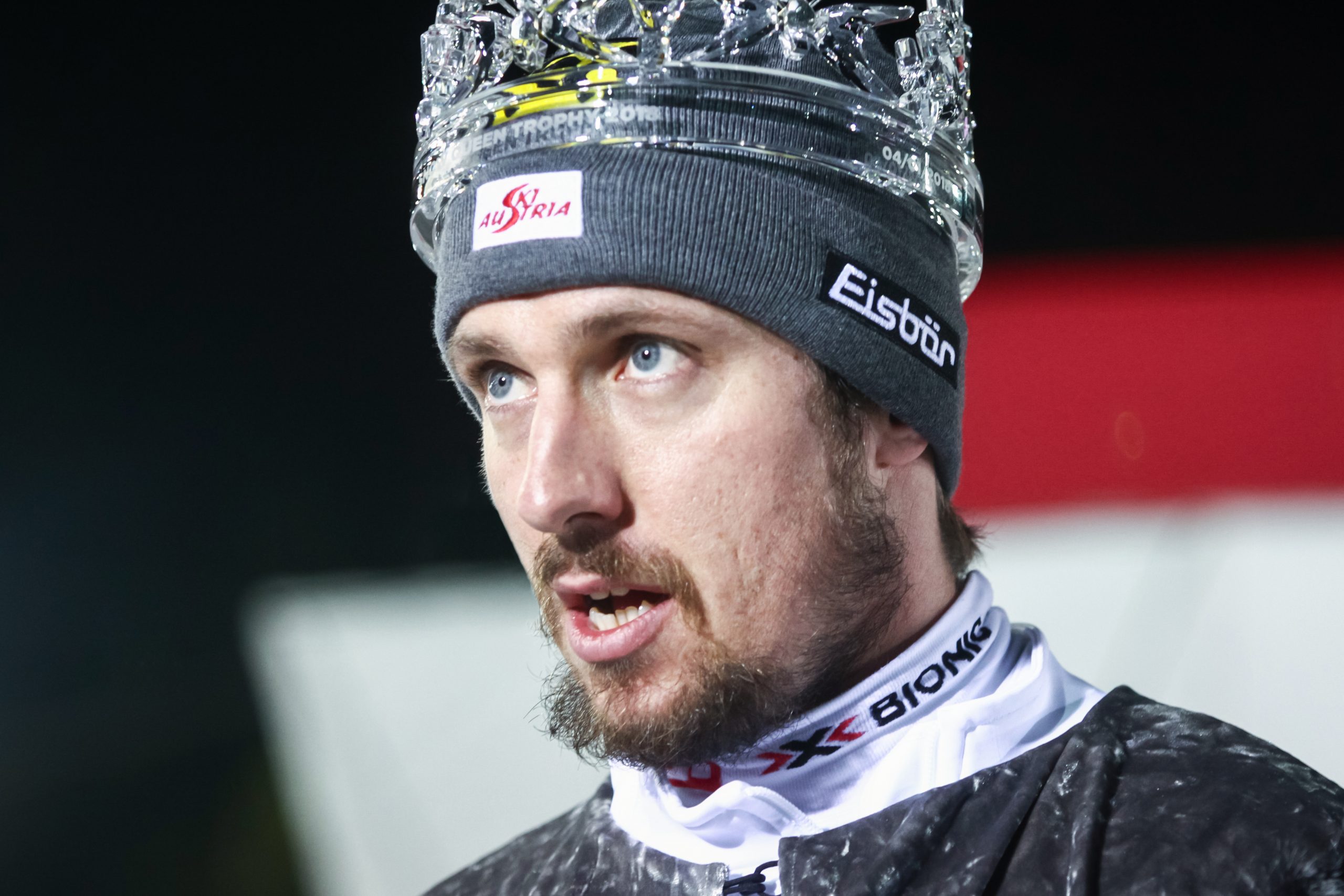
There will be three training sessions for men and women for the downhill, which must occur before the actual downhill on February 8 and 9. Speed track will be tested by the super-G races before the downhill. With women, the Austrian Cornelia Hütter will want to please the home crowd, although her form this season is not that great. But this is no World Cup, no place for caution, no place for calculations; it is medals or nothing for the best. Many racers were renowned for pulling it off during special events. This might suit aggressive racers like Sofia Goggia or even Lindsey Vonn, as it is always all or nothing for these two. But Switzerland’s Corinne Suter seems to have timed her form superbly, Federica Brignone reigns supreme this season, and Lara Gut-Behrami is also one of those whose experience favors significant results on such a big stage.
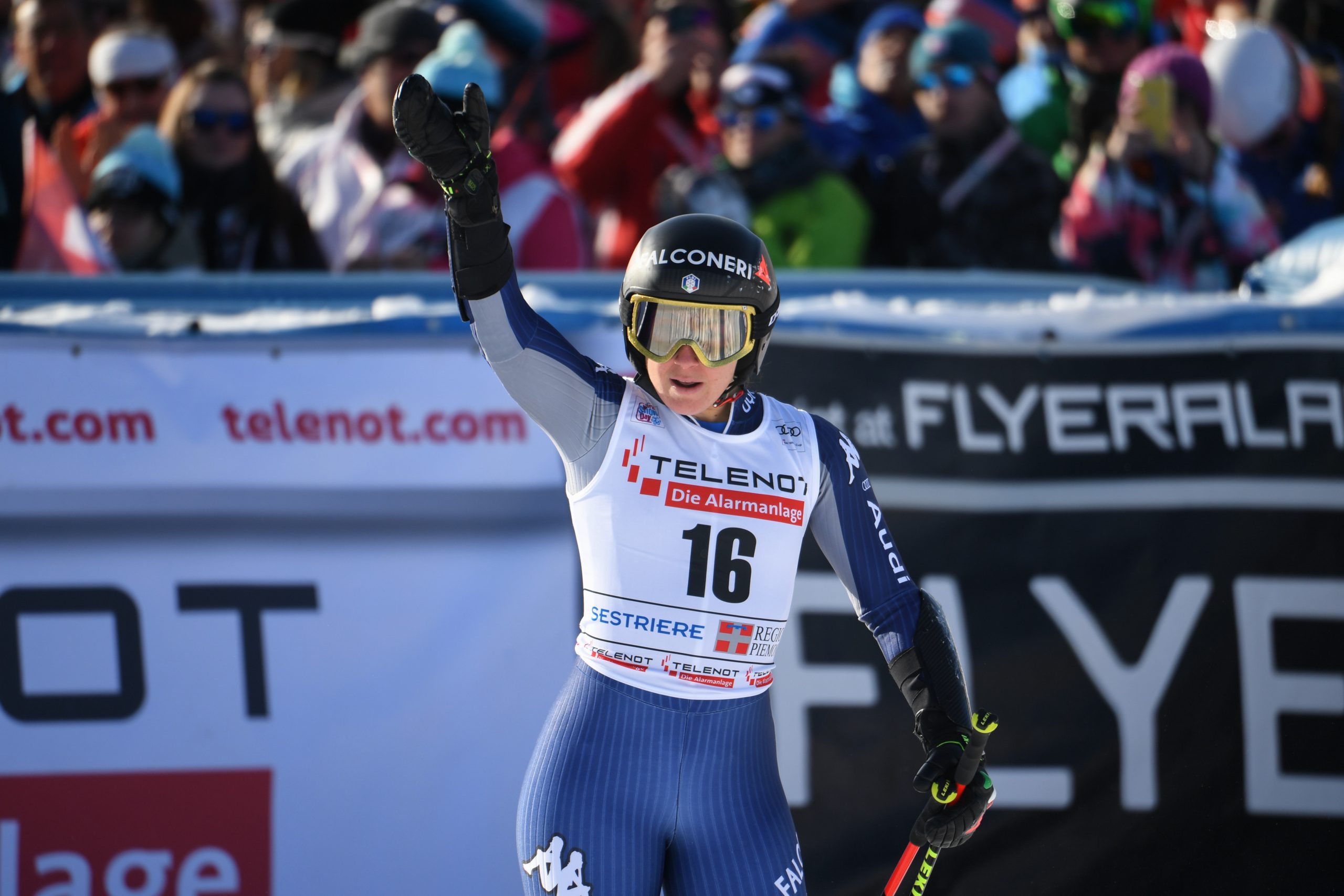
As for sensations that might spoil the party, Ester Ledecka from the Czech Republic is known to do just that; Lauren Macuga (USA) is in the form of her life this season, Kajsa Vickhoff Lie (NOR) has also been skiing closely to the podium lately, and even the Swiss miracle, Malorie Blanc can surprise us.
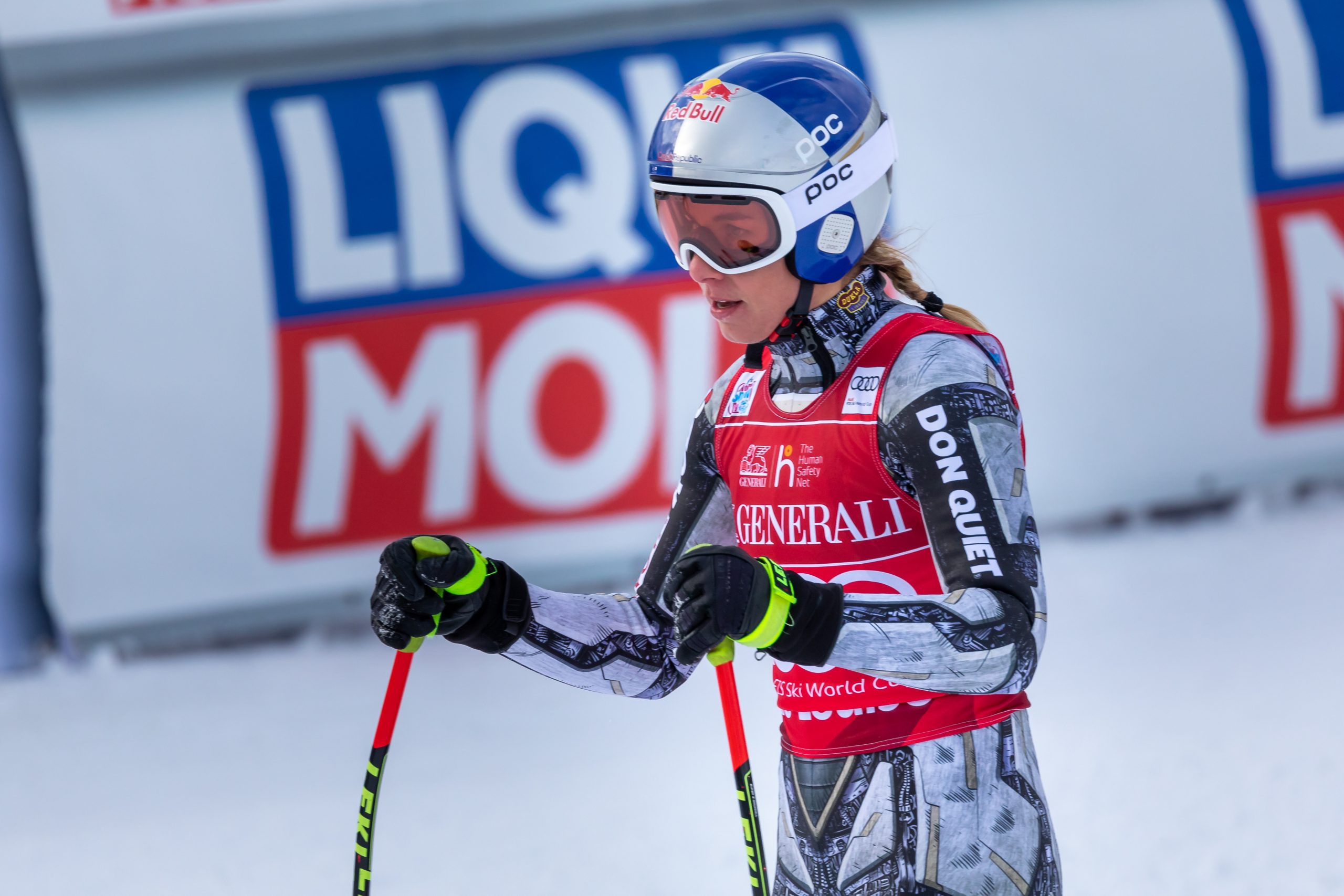
With men’s speed races, the most troubled nation is the Swiss. I would not want to be in the place of Swiss coaches, who have to decide who should get the chance to get the medal. Justin Murisier, Franjo Von Allmen, Stefan Rogentin, Alexis Monney, and Marco Odermatt proved they can win speed events this season. Moreover, young racers are traditionally allowed to establish themselves during events like this. Thus, Lars Rösti is in Saalbach waiting to be chosen.
Vincent Kriechmayr (AUT) was working on his recovery to start in Saalbach, but his form is a mystery to all. His teammates Raphael Haaser, Otmar Striedinger, and Daniel Hemetsberger would want to thrill the home fans.
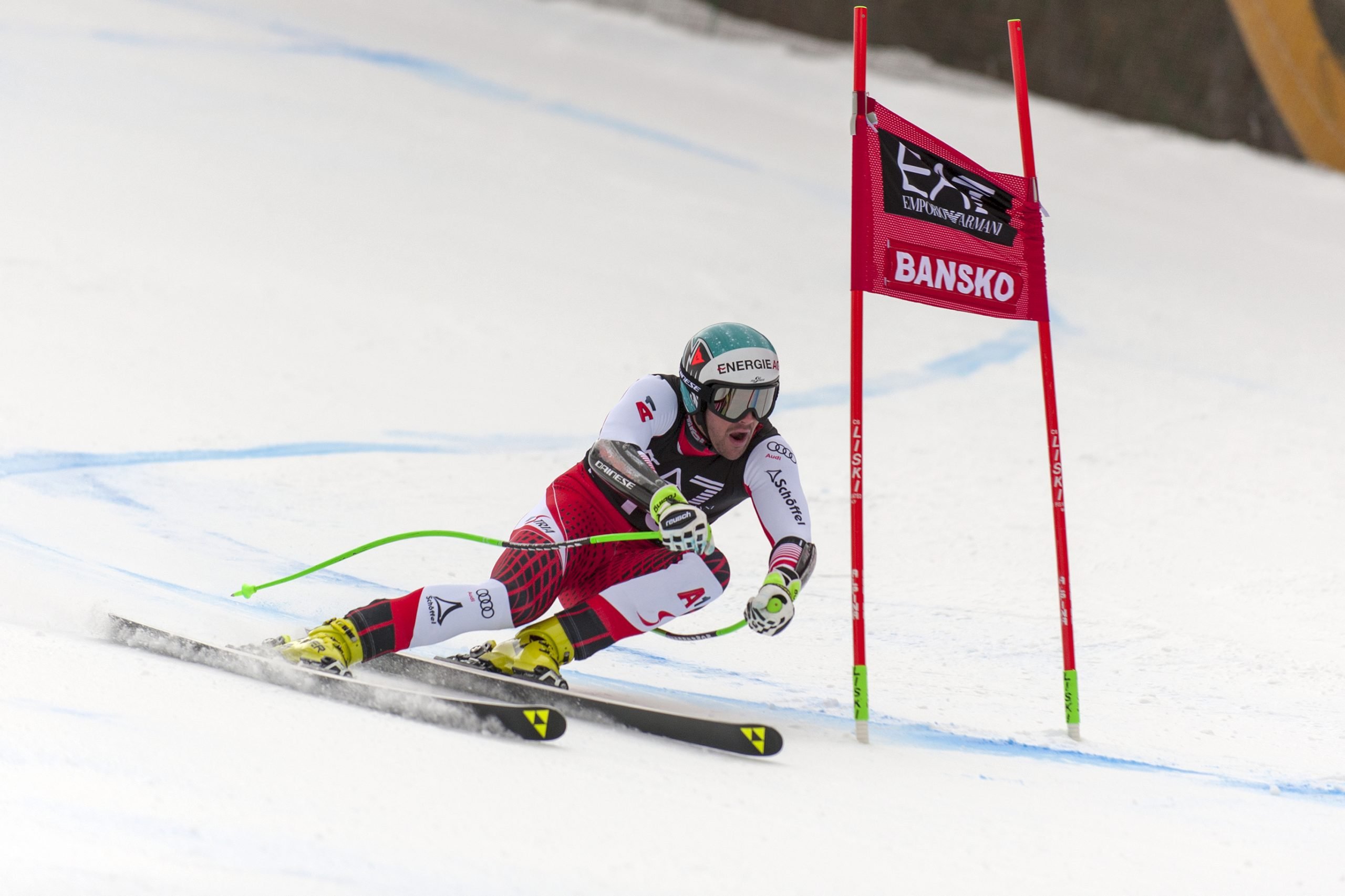
Besides the two most prominent alpine nations, Dominik Paris and Mattia Casse, from Italy, know how to prepare for the special event. Then there are the two Canadians who conquered Hahnenkamm, James Crawford and Cameron Alexander, and the Slovenian Miha Hrobat. Even the Norwegian youngster Fredrik Moeller can surprise. Watch the races from beginning to end, as nothing is certain.
Technical Events
With giant slalom, additional qualifying runs will be held, and we cannot say who is to start, as many giant slalom specialists also take part in the super-G, and the results (or crashes) can mix the cards. But indeed, in men’s giant slalom race, Marco Odermatt is the favorite, with the Norwegians Atle Lie McGrath, Henrik Kristoffersen, and his teammates Thomas Tumler and Loic Meillard closely behind. In slalom, the members of the Norwegian team, including Timon Haugan, are all big favorites, with the Austrians Manuel Feller and Fabio Gstrein hoping to please the locals. Loic Meillard would also love to win, and in slalom, Clement Noel (FRA) is expected to prove this season’s form with the most coveted victory of all.
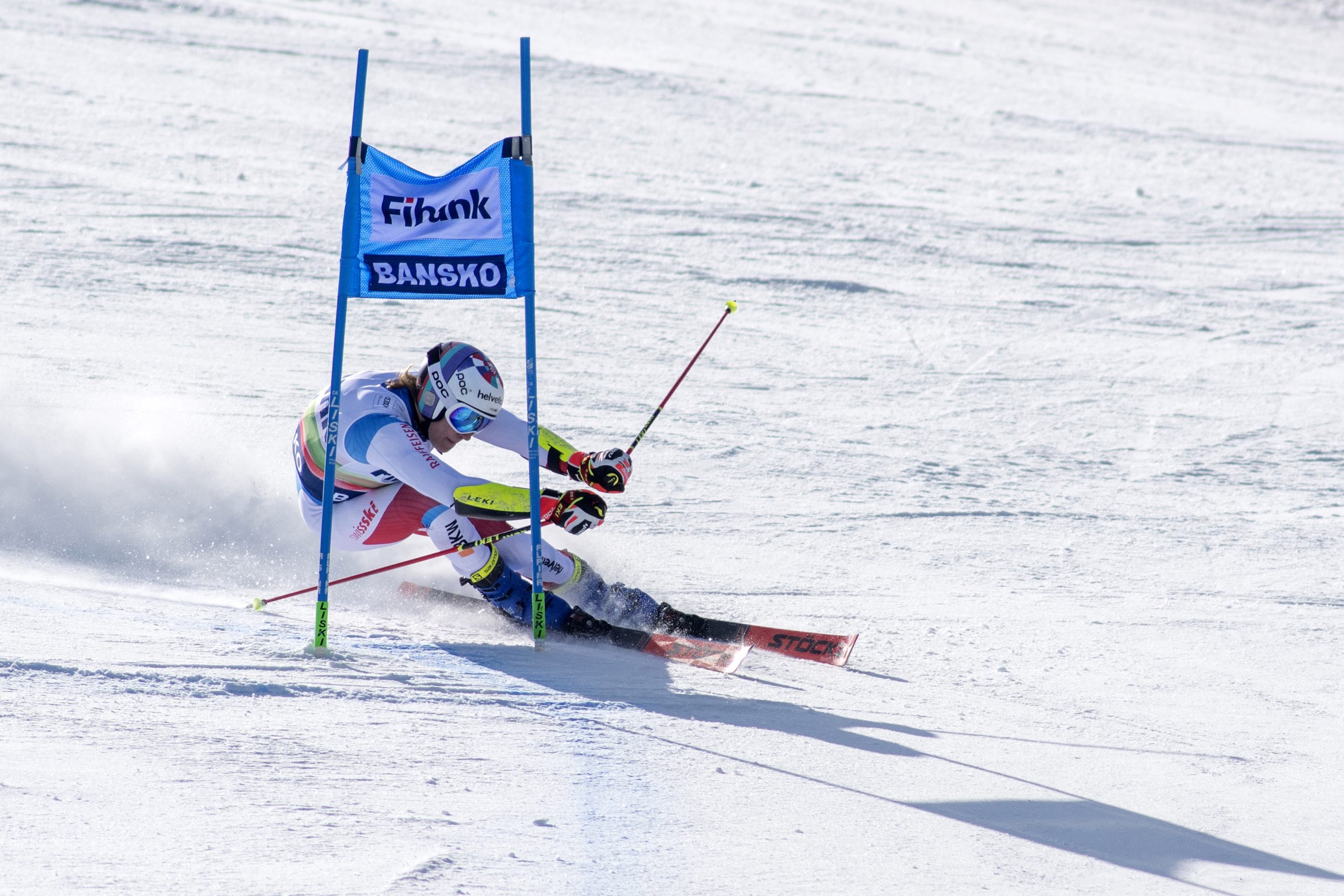
In women’s technical competitions, a big question mark hovers over the name of Mikaela Shiffrin, who does not feel like she is in her top form after the abdominal injury. In giant slalom, Federica Brignone, Alice Robinson (NEZ), and Sara Hector (SWE) are favorites. This season, Hector also shines in slalom, but young competitors like Zrinka Ljutic (CRO) and Lara Colturi (ALB) will want to get their first medals.
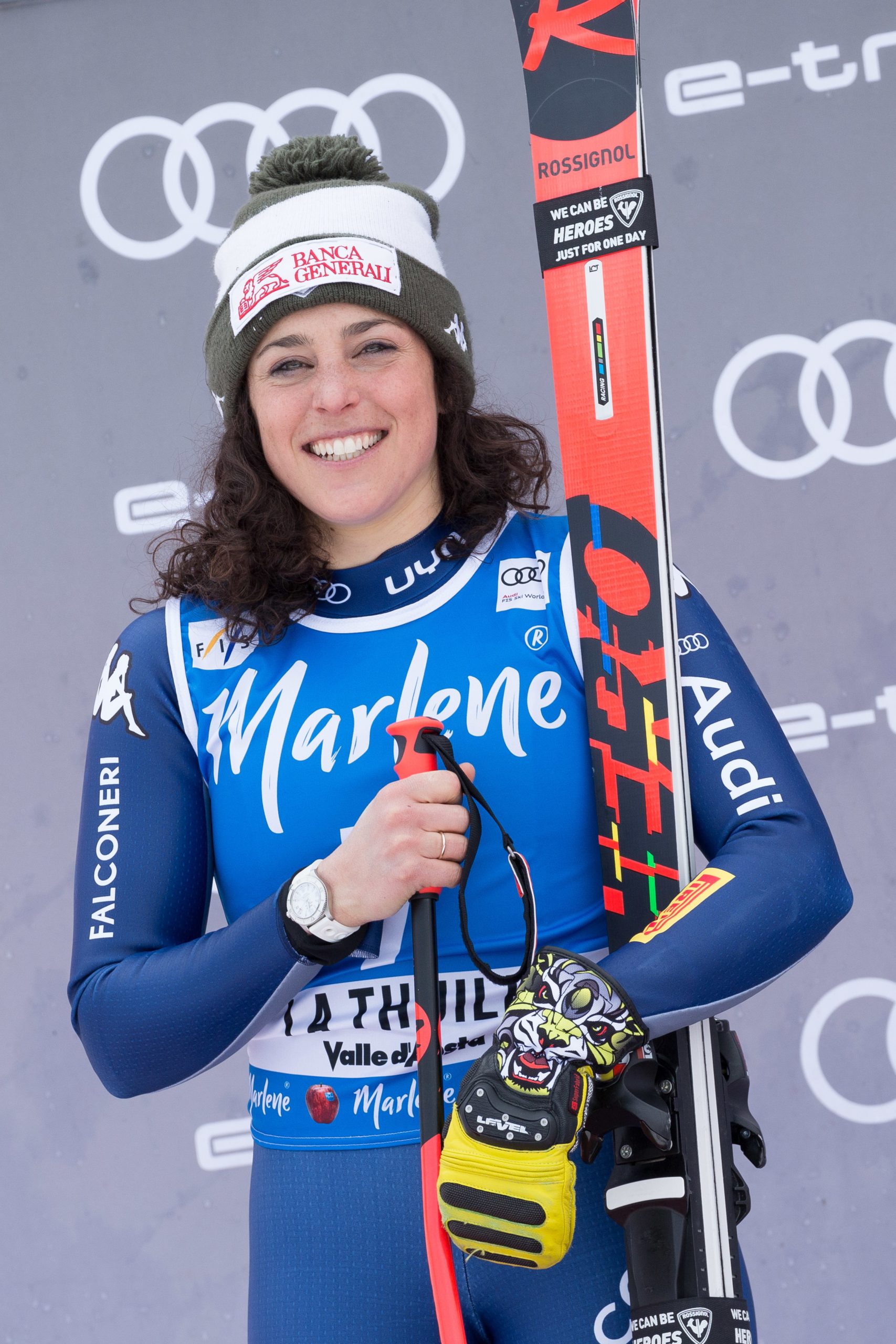
Anyway, the technical disciplines are taking place next week, which is far away, and we will inform you of the athletes’ forms as the races get closer. Not only might super-G give us a hint of some giant slalom racers’ form, but there are also parallel events where technical racers take part, and the new format of the team combined takes place this week.
Team Combined
In team combined, two events will occur: women’s and men’s. There will be a downhill where the speed specialists will measure their skills and then the slalom where the slalom specialists will compete. Their times will be combined, and the fastest duo will win. We don’t know who will take part from which nation.
Indeed, the Swiss of both genders are favorites; regardless of which man they put on the start in the downhill, he will indeed perform at his best, and Loic Meillard or Daniel Yule will finish the competition. With women, Corinne Suter or Lara Gut-Behrami can pair with Wendy Holdener or Camille Rast. But both disciplines are unpredictable; you can ski or straddle in the slalom, and we know how close the downhill racers finish.
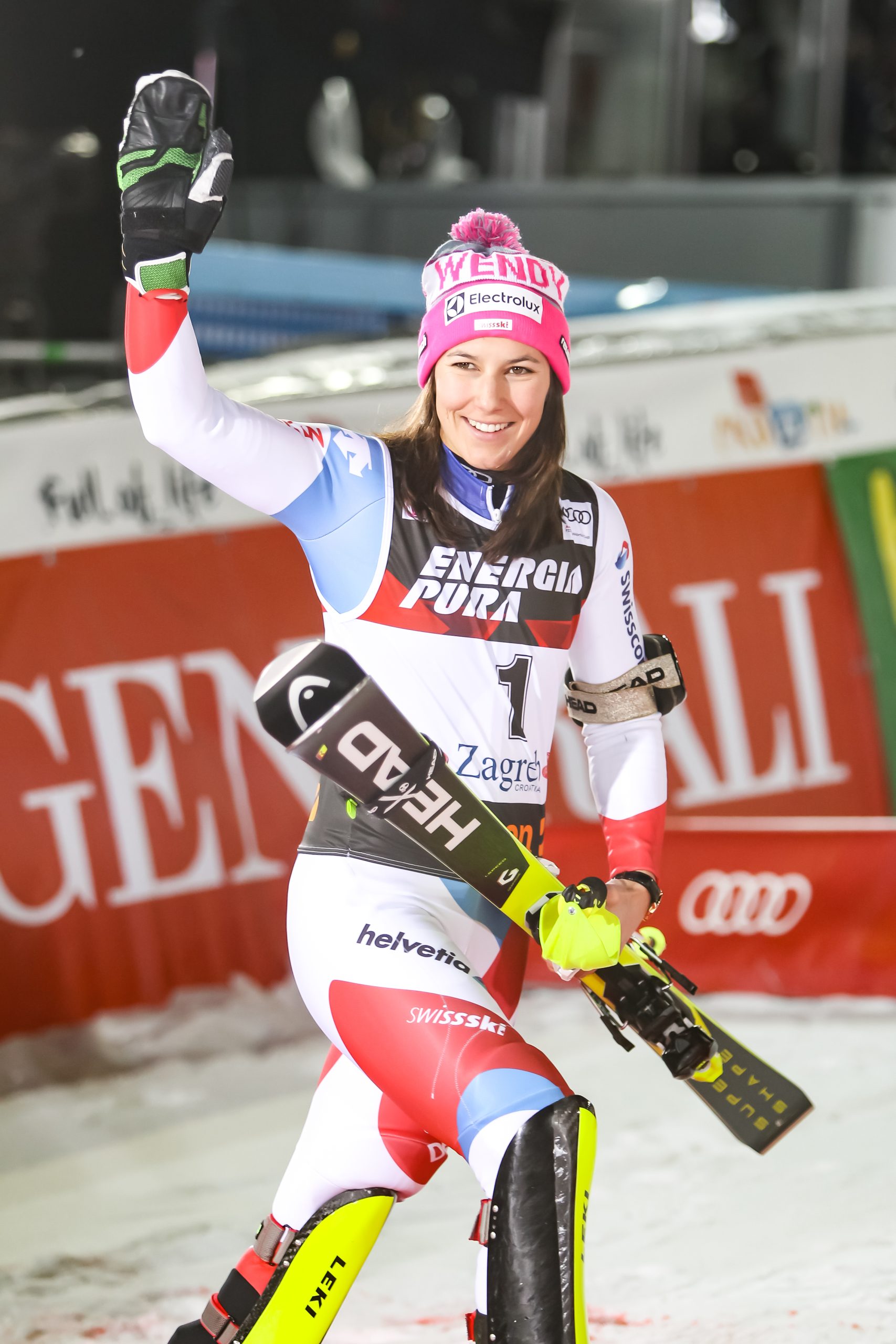
But the competition will be exciting; seeing Dominik Paris in one team with Alex Vinatzer or Manuel Feller with Vincent Kriechmayr is a treat for fans. However, some athletes would not have many chances because their teammates are not as skilled in their disciplines as they are in theirs. It is too bad that there is no mixed team combined; the Norwegian squad would welcome Kajsa Vickhoff Lie into their team for speed events. Maybe next year, FIS always looks for ways to make the events more attractive for the fans.
Let’s kick off the World Champs; you can wait for our next article. We will report on the results and bring you interesting stories as they come.