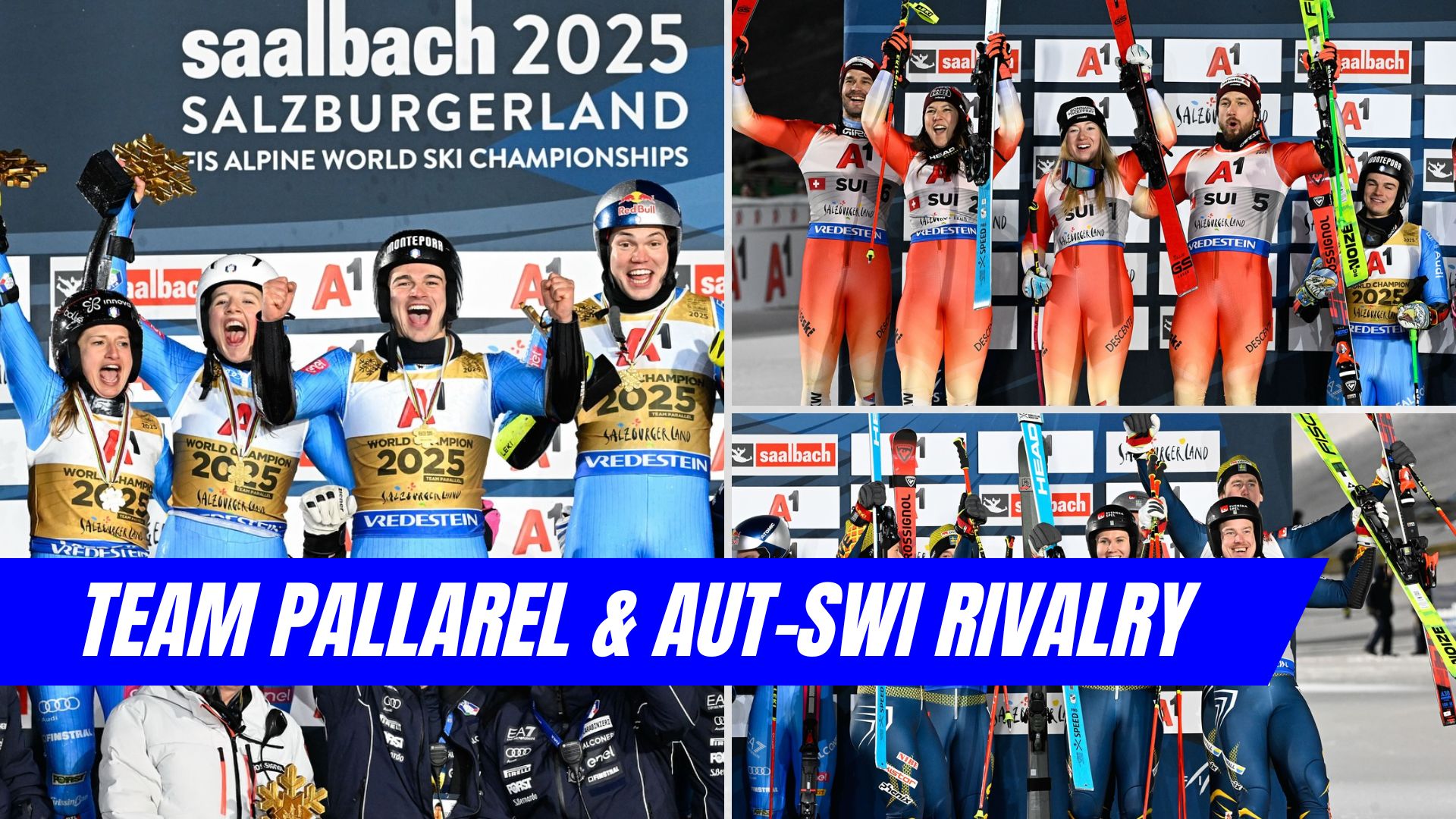
Yesterday, the biggest show of the season began in Saalbach. The team parallel night event atmosphere was as expected: electric and awesome. The organizers prepared an opening ceremony that frankly did not get much attention, apart from the TV shots from 1991.
Because the World Championship organizing team does not dwell on the 1990s, however, they introduced a unique hashtag—#skiverrüct, which means “crazy for skiing” in German. So, if you use hashtags to search social media, use this hashtag, and you will learn immediately what is happening.
Team Parallel
For this year’s parallel event, the rules changed again. There was only one run for each racer in every part of the competition. With four runs for each team, FIS thought enough was done for the regularity. In my opinion, the decision was reasonable. The competition flowed swiftly, and it also emphasized that this event was all about team effort. After confusion from the previous years, the organizers abandoned the attempts to make differences between parallel giant slalom and slalom. The track was set regularly with nice giant slalom turns.
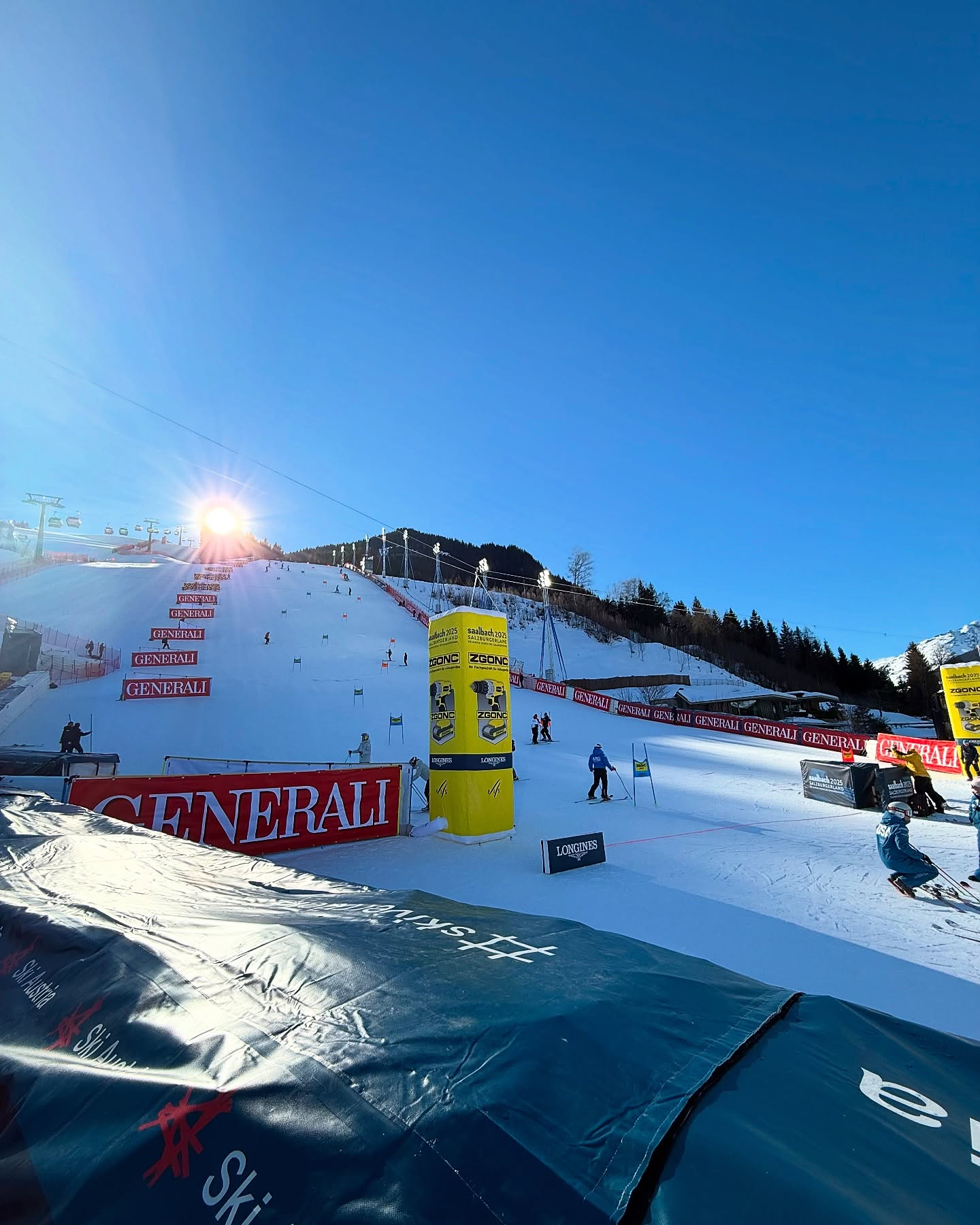
This year, the first round was unsurprising; all favorites went smoothly into the second run. The Norwegians won against the Argentinians. If the South Americans were allowed to create a unique South American team, they might have more chances like this, but the Argentinian youngsters fought bravely.
Thus, in the quarter-final, eight established skiing nations fought it out. The problem with team events is that you have to have four technically skilled racers who are also good at the parallel event. After the FIS forbade the so-called cross-blocking technique (when racers box the gates out of their way skiing in a straighter line), there is no need for special training. The turns are nice giant slalom turns and all you need to train is the swift start from the special gate.
However, the most prominent athletes usually want to focus mentally on their star discipline and need time to recover and get in shape after the crazy World Cup load preceding the World Championships. Furthermore, generally, younger racers tend to excel in the team parallel, so this is a moment for rising stars to taste the atmosphere and reach for medals.
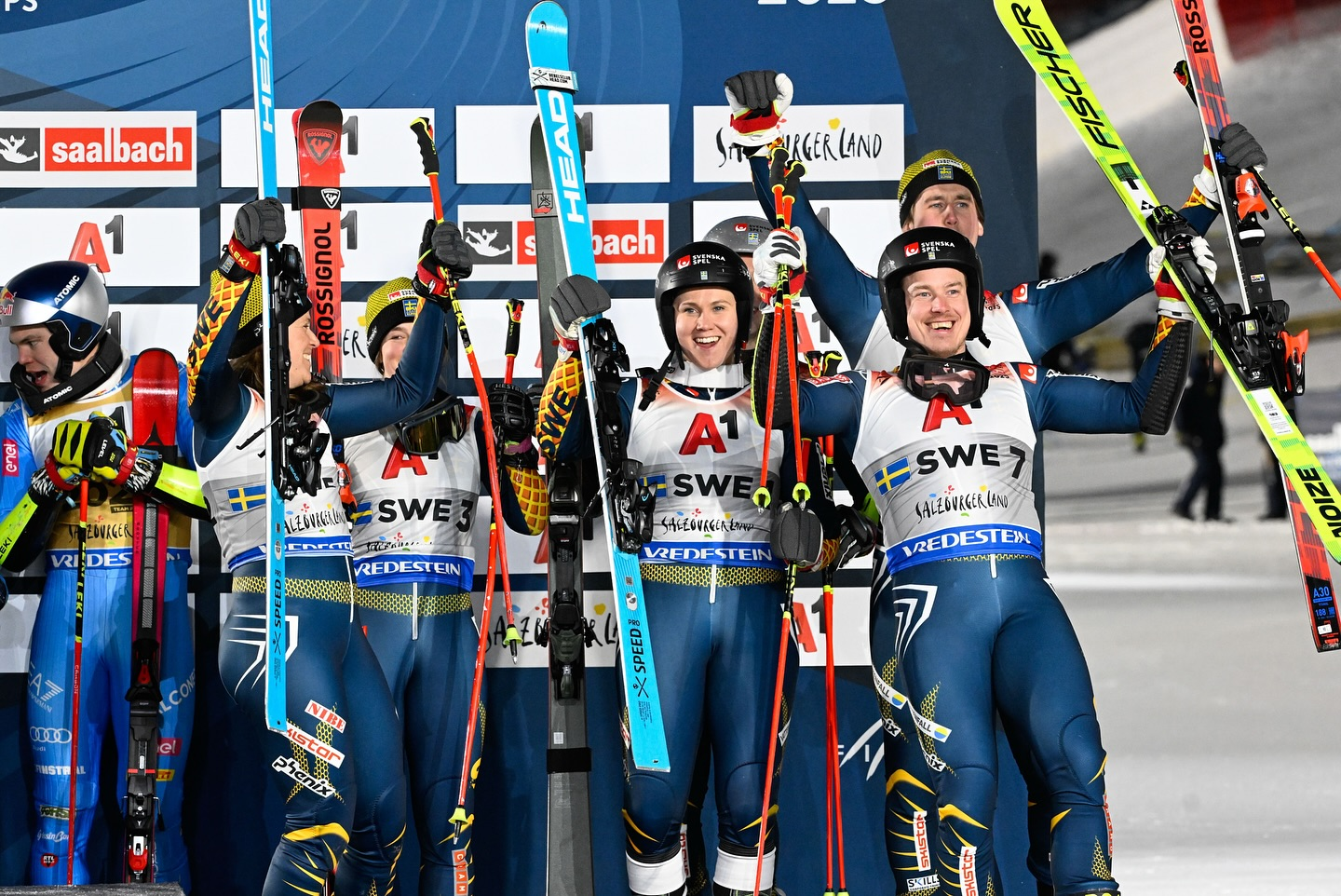
Italy, Switzerland, Sweden, and the USA continued to the semi-finals and the finals. The US team fought like lions; in the end, it was only good enough for fourth place, as the Swedes won bronze in the small final.
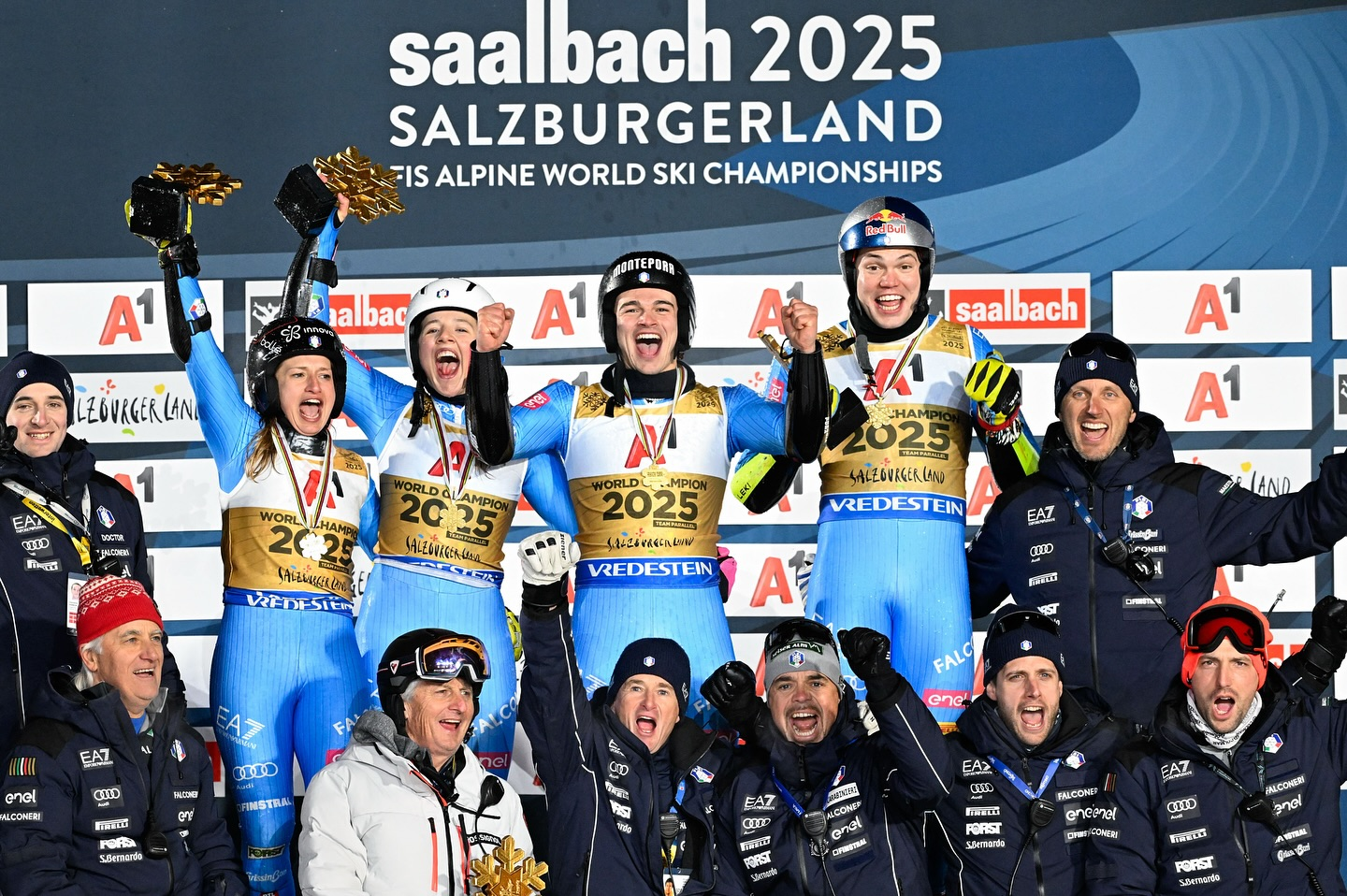
The big final was nerve-wracking as the battle between the Swiss (Tumler, Holdener, Aerni, Darbelley)
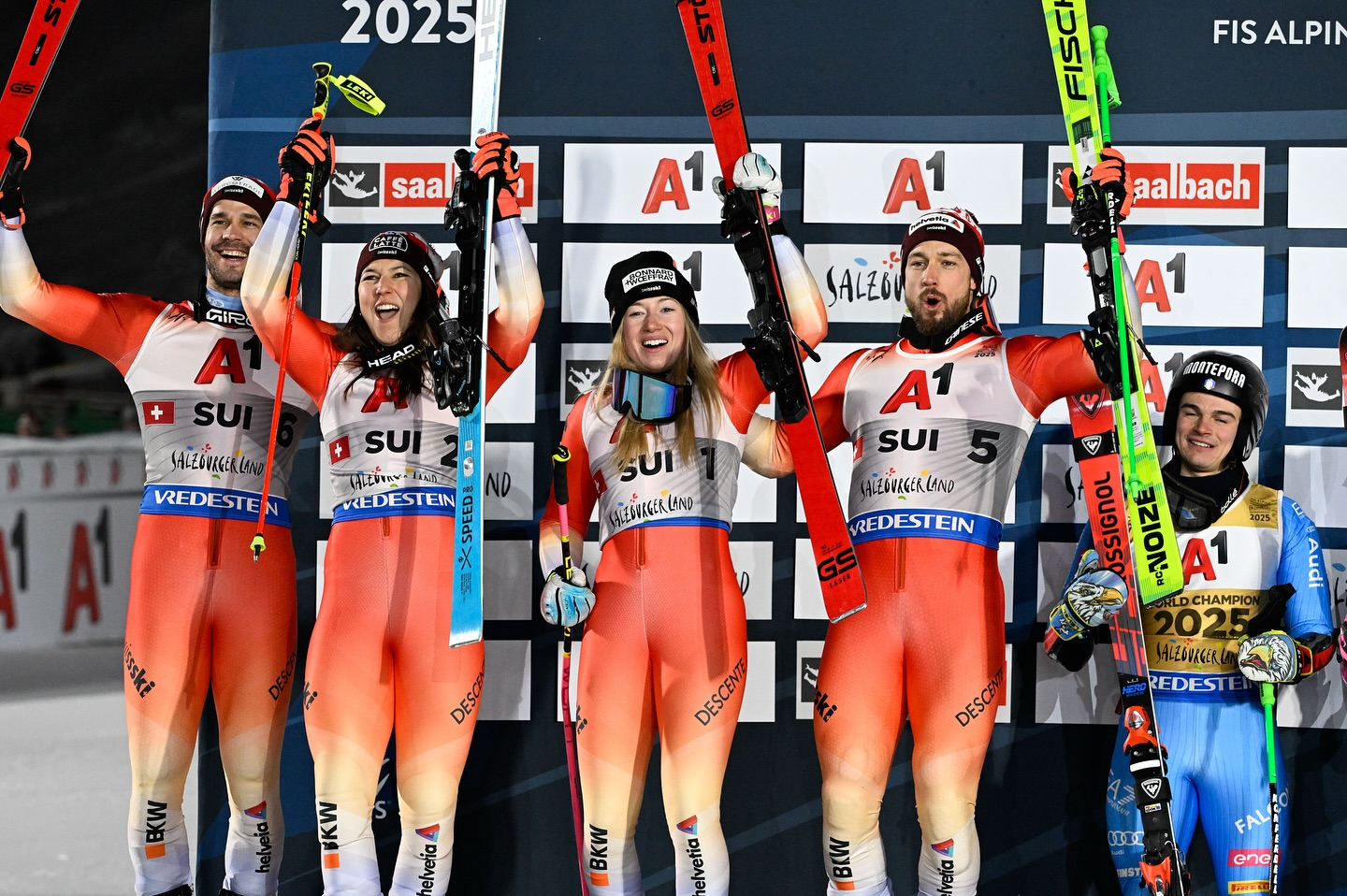
And the Italians (Vinatzer, Della Mea, Della Vite, Collomb) was decided with the very last racer to go. Italians got gold and the Swiss silver.
The Rivalries and Snide Remarks
The World Championship organizers are Austrians, and at the moment, their teams are undergoing a generational exchange. They say they miss young talents and feel overwhelmed by Swiss success. These two alpine nations have always been rivals and not friendly rivals. The athletes admit that now, with the Swiss team being so easygoing, the situation is better than in previous years. Then, the athletes did not like each other, the fans would boo the other country’s racers, and the journalists would be downright mean to the other nation. Still, within the FIS structures, the rivalry continues, and even in milder form, they look at each other cautiously.
In this context, we must view the event’s controversy. The Austrians hoped for a medal; they felt this was their biggest chance with their current team. They carefully chose the racers for the team parallel, and they trained explicitly for this discipline. Before the event started, the Austrian TV ORF commentators remarked that today was their chance, as the Swiss sent their B-team into the competition.
And the Swiss learned about that remark. Considering that Thomas Tumler is a winner from Sölden and Wendy Holdener consistently finishes at the top of the slalom competition, this remark made the Swiss racers, fans, and journalists go wild. After the Swiss got their silver medal (with the Austrians finishing in the quarter-finals), social media was full of memes explaining how the B-team got it. The rage on social networks and in both Swiss and Austrian media continues. This year, the unfriendly rivalry between these two nations seems to be born again.
The US Team Combined and Their Chances
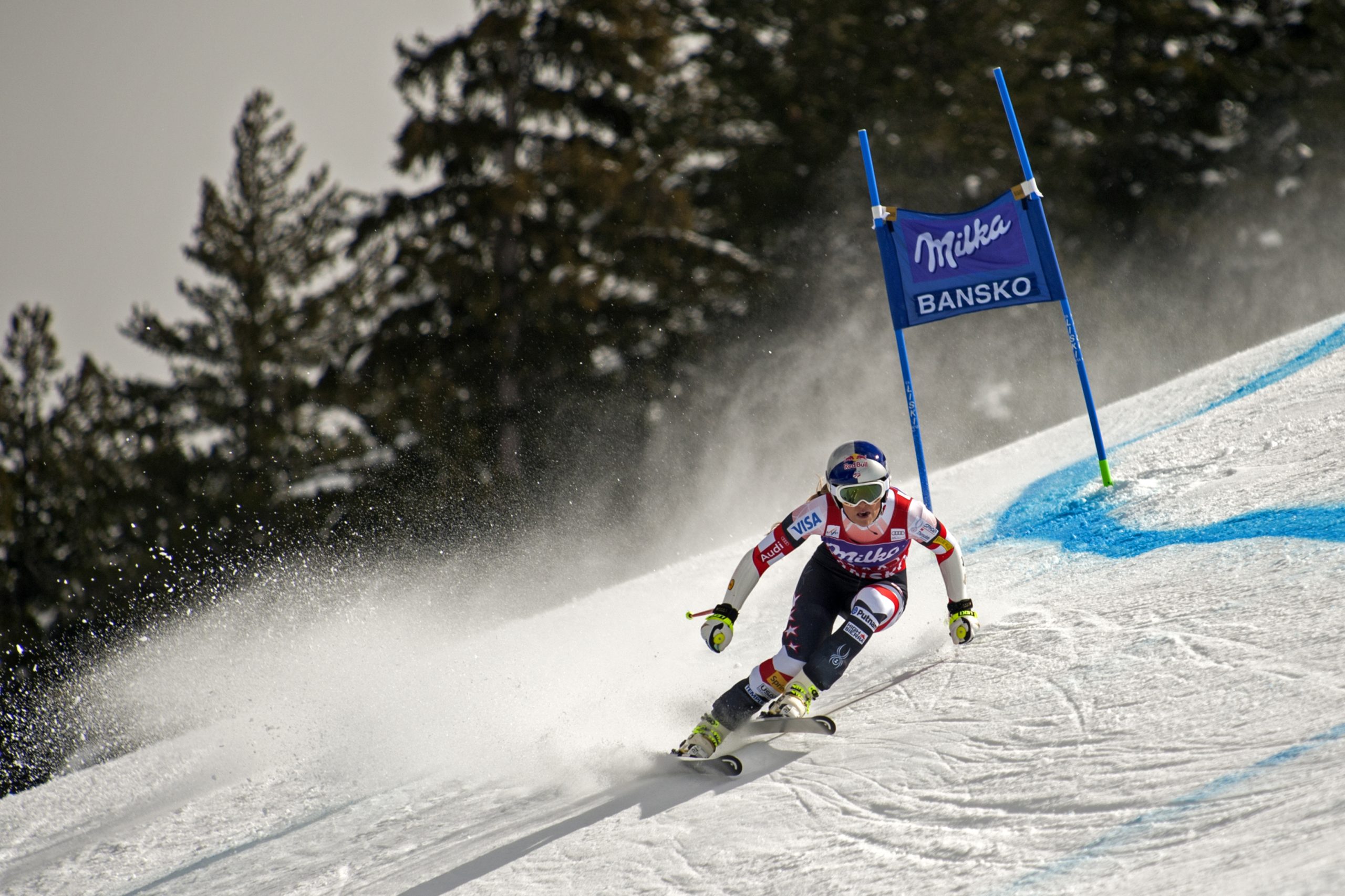
Media of all nations give much space to Lindsey Vonn, who feels fast and competitive and says she is ready to fight for the medals. But at one point, Vonn was disappointed. Lately, she told the media that she wants to create a dream team with Mikaela Shiffrin for the team combined, an event where one downhill racer and one slalom specialist of one nation combine their times to win. Shiffrin told her fans on her Instagram that her focus is on her recovery and her giant slalom and slalom performance. Paula Moltzan has been consistent with her results and, with a sturdy performance in the team event, proved that she is more than a worthy replacement. Thus Vonn’s dream team idea was crushed. And as for Vonn racing in the team combined, there has been no official announcement from the US team considering the decision.
The next stop is the women’s super-G on Thursday, which might clarify this mystery, but above that, provide a thrilling competition.