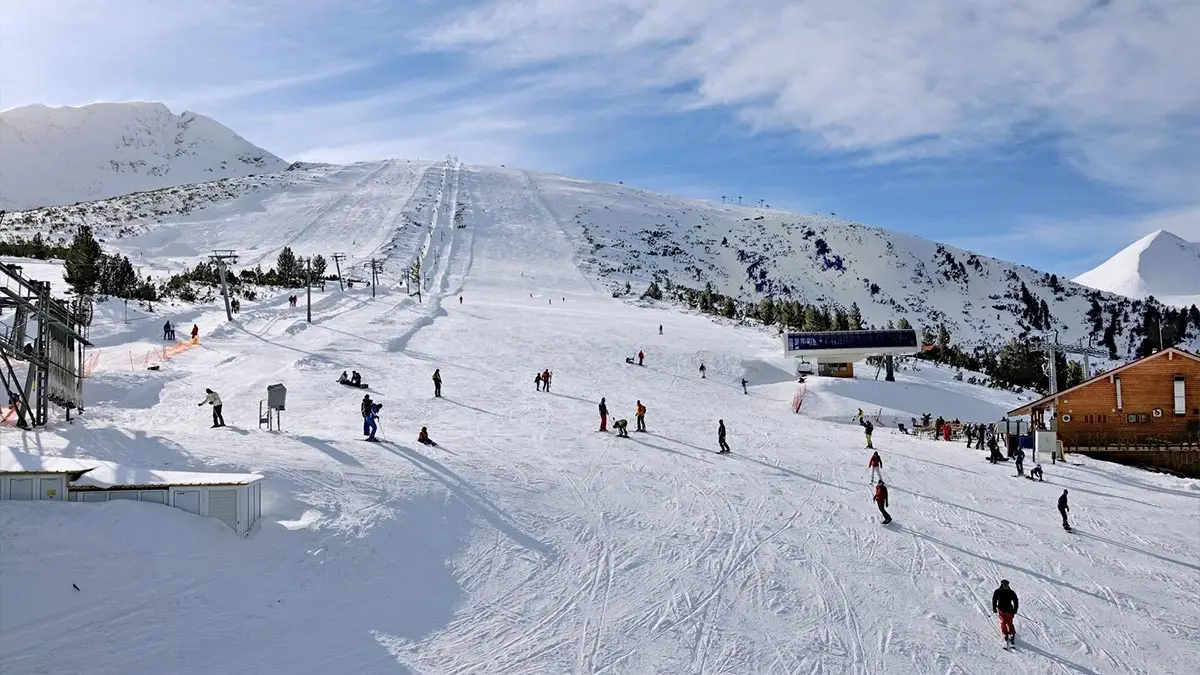
Bulgaria is known for its diverse landscapes. You can do everything from sunbathing on the seaside to mountain climbing in this country. Most notably, the location is known for its top-notch ski resorts that host winter sports fans from all over the world.
A hidden gem in southeastern Europe, Bulgaria is not as well-known as some more popular skiing locations, such as Switzerland or Austria, so many skiers might be unfamiliar with its natural beauties and ski slopes.
If you plan on having Bulgaria as your next destination for your winter trip (as you absolutely should be), here’s everything you need to know beforehand.
Can You Ski in Bulgaria?
Yes, Bulgaria is an excellent place for skiing! In fact, it is one of the most popular locations for skiing enthusiasts in Southeastern Europe.
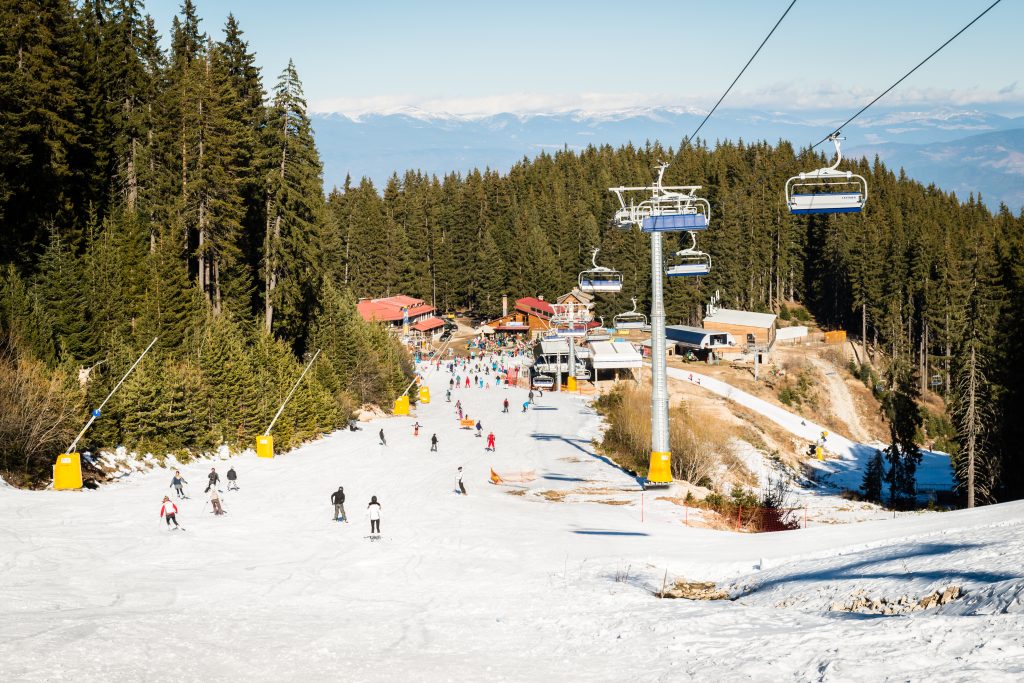
All resorts are fully equipped with modern infrastructure, carefully looked-after slopes, and efficient ski lifts, guaranteeing their guests’ comfort.
During winter, Bulgaria has excellent snow coverage, which is crucial for skiing. There are many other winter sports options besides skiing, including snowboarding and snowshoeing, along with a dynamic après-ski scene in the country.
Skiers can go skiing in Bulgaria at an inexpensive price and enjoy the country’s rich cultural heritage and traditions. All of this makes Bulgaria a favorite choice for both native and foreign visitors looking for a tremendous winter holiday.
Things to Know Before Booking
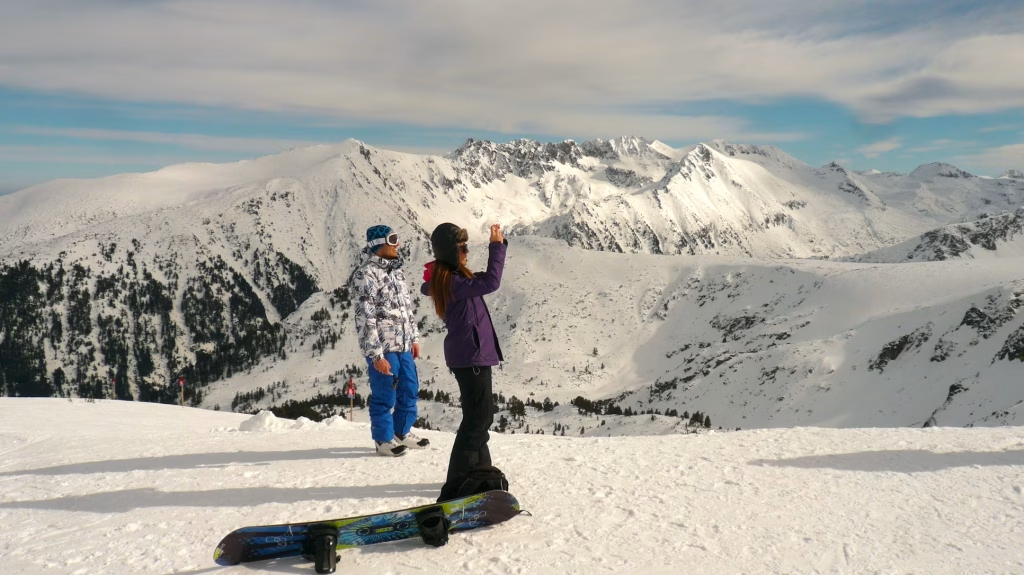
Although exciting, a skiing trip to Bulgaria is better when you are prepared for it, especially if this will be your first visit to the country. Here is some useful information that will help you have the most comfortable trip possible:
- Accommodation variety: You will find everything from low-budget hostels to five-star hotels that fit the bill. Book early in the peak season to get the best spots.
- Snow conditions: Be prepared for variability in snow conditions. As the trip approaches, you should regularly check the weather forecast and mountain reports. Flexibility in your itinerary might come in handy.
- Crowds: It is busier at weekends and holidays, so you should factor this into your plans to ensure you get the maximum time on the slopes.
- Affordability: Bulgaria is one of the most affordable European countries when it comes to skiing. Accommodation, ski passes, and dinner are cheaper than in most Western European ski resorts, making it a haven for the bargain hunter.
- Ski passes and rentals: It’s wise to book ski passes and equipment rentals in advance, especially during peak holiday times. Many resorts also offer package deals that include lessons, passes, and rentals at a discounted rate.
- Ski schools and lessons: Bulgaria is renowned for its fantastic ski schools and English-speaking instructors. This makes booking lessons a great option if you are a beginner or a bit rusty.
- Travel insurance: Make certain your travel insurance covers winter sports activities. This is important in the case of accidents or emergencies on the slopes.
- Things to do besides hitting the slopes: You should take a day or two off to visit the various cultural and natural sights in the vicinity. Each ski resort offers unique opportunities for non-skiing activities and day trips.
Best Time to Ski
The best time to go skiing in Bulgaria is from mid-December to early April. The peak months are January and February. During this period, the snow conditions are usually at their best, and you’ll have a solid base and fresh snow perfect for skiing and snowboarding.
January is generally the coldest month, which means it should have good-quality snow, while February tends to be consistent in terms of the snow cover while being a bit sunnier.
If you don’t like the crowds and want to pay a little less, then the beginning of the season in December or the tail end in March could still be quite decent to go skiing—provided the weather is nice, of course.
In fact, March is a reasonable period for spring skiing, with milder temperatures and a more relaxed atmosphere.
Ski Resorts In Bulgaria
In this country, a few of the favorite ski resorts attract winter sports lovers from literally every corner of the globe.
These are conceptualized to suit different tastes and skill levels, making Bulgaria varied and diverse for winter sports.
These are some of people’s favorites:
Bansko
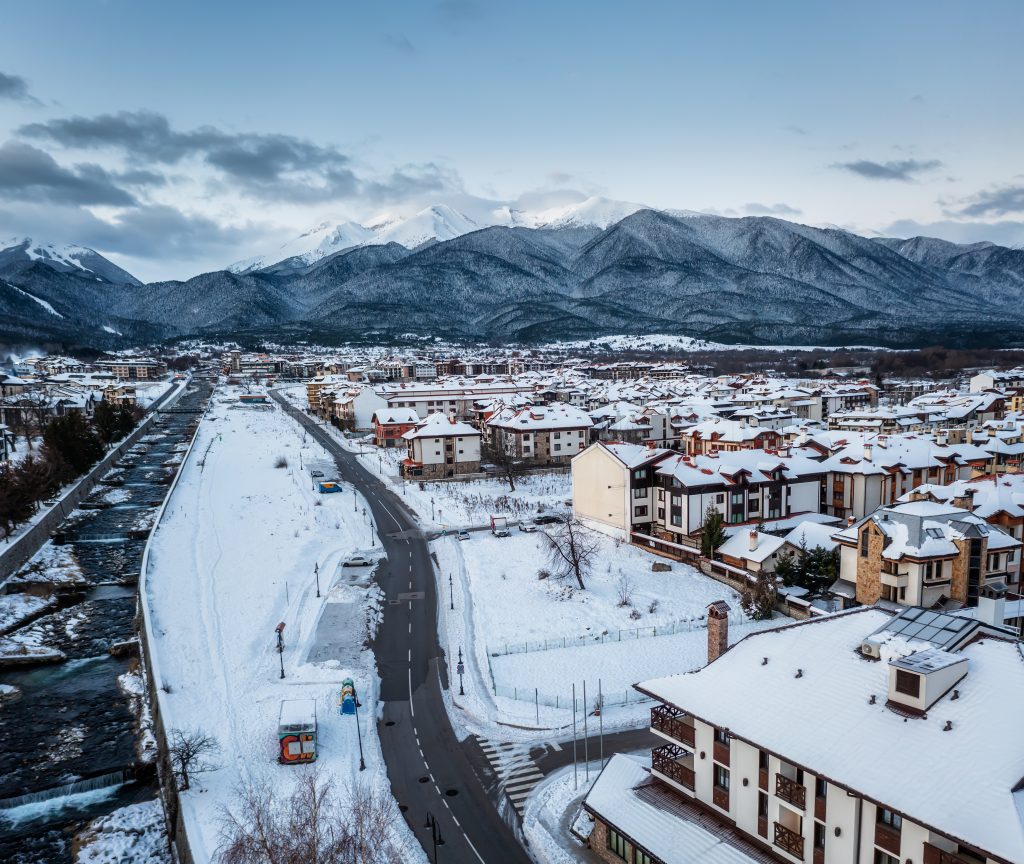
Bansko is Bulgaria’s most famous and modern ski resort, situated at the foot of the Pirin Mountains. Bansko offers well-maintained slopes for all categories of skiers, great snow conditions, and a really lively après-ski atmosphere.
It also offers cultural attractions in the old town—a true combination of skiing and local heritage.
Borovets
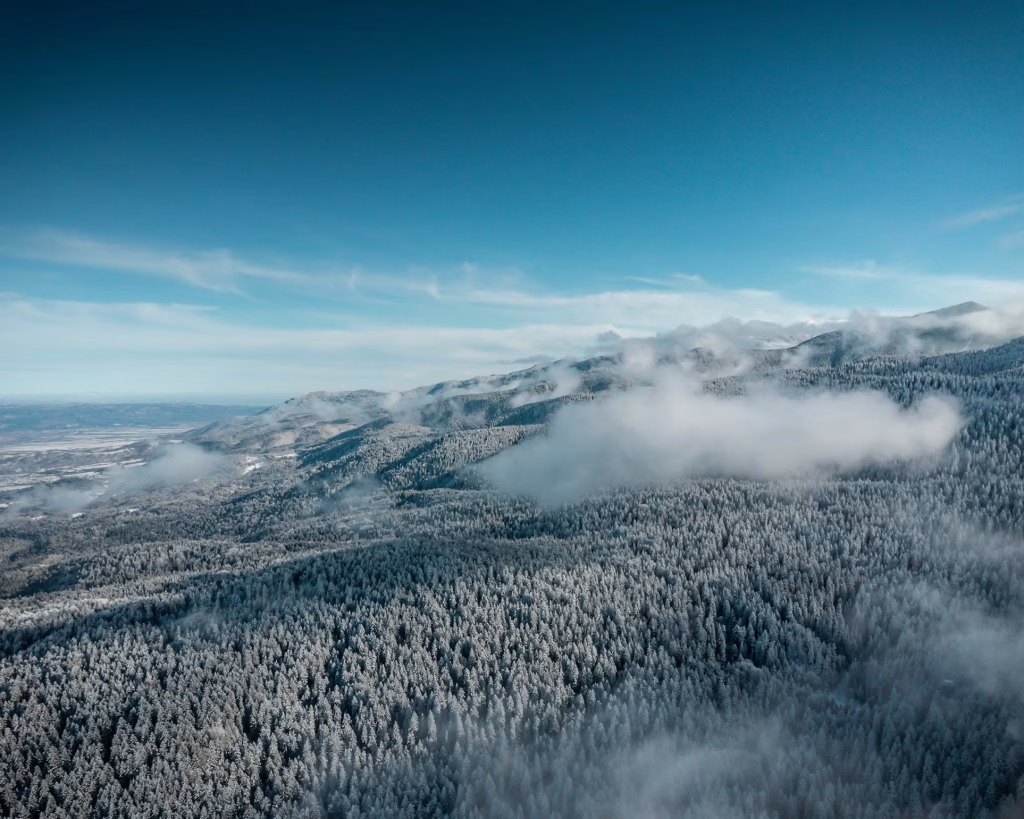
This Bulgarian resort lies in the Rila Mountains. It is one of the oldest ski resorts in Bulgaria and also one of the most famous due to its party atmosphere and proximity to Sofia. It offers everything from nursery slopes to black slopes with great nightlife options.
The forested setting creates a very picturesque backdrop to skiing and snowboarding.
Pamporovo
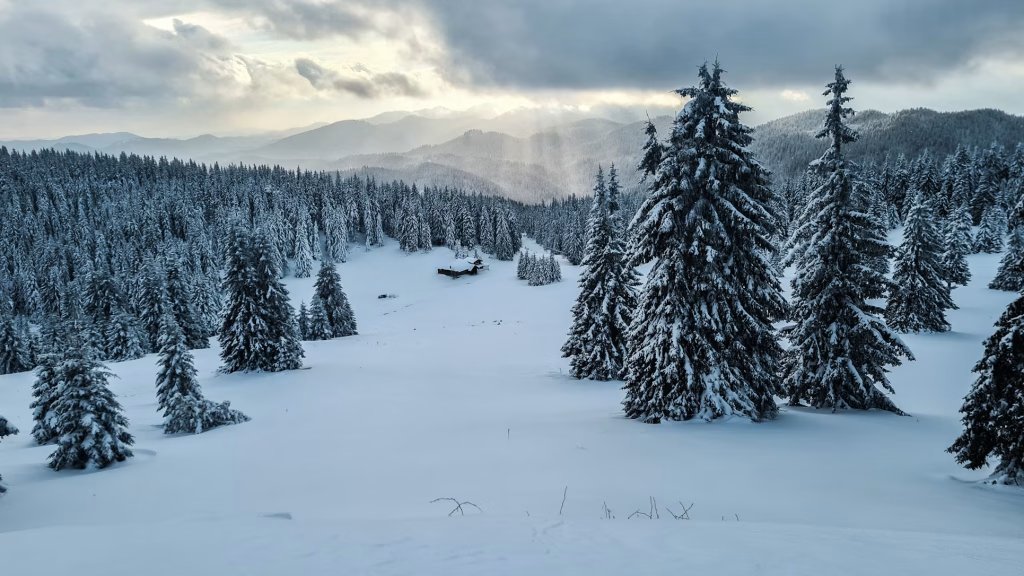
Situated in the Rhodope Mountains, Pamporovo has a great, sunny climate and slopes that are well-suited for first-time skiers. Highly recommended for families and beginners, there are plenty of ski schools and easy runs. The scenery is also stunning.
For non-skiers, there are snowshoeing and spa experiences.
Vitosha
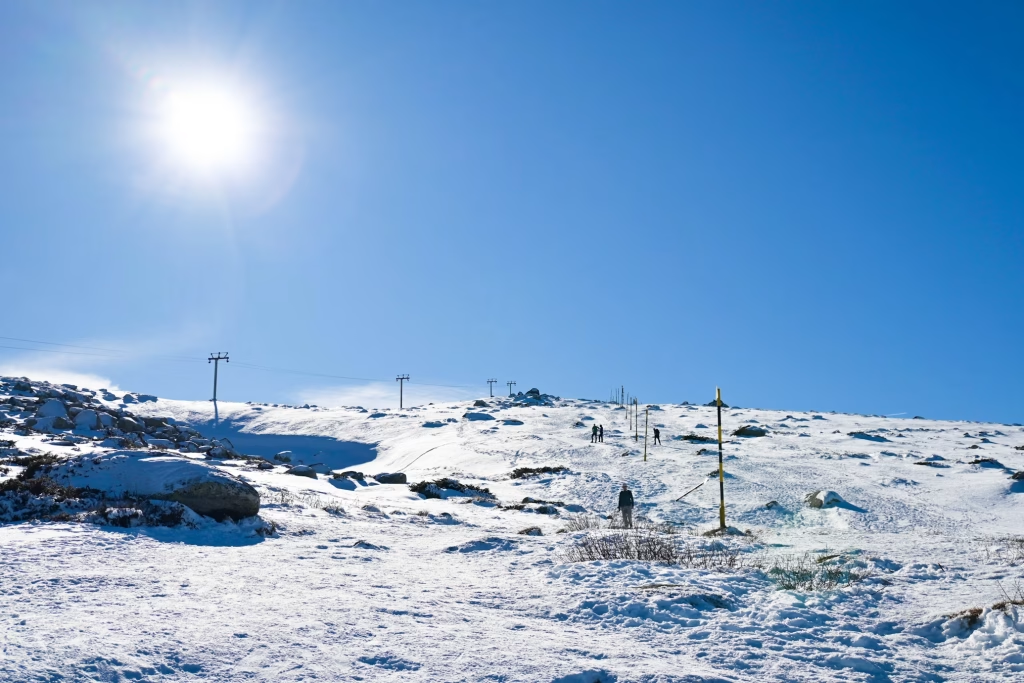
Vitosha is just a short drive from Sofia, and it is a great opportunity to take an easy day trip or have a short skiing holiday. Besides the differing-level ski slopes, there are some stunning views over the city.
Though it is smaller than Bansko or Borovets, the proximity to the capital makes it popular with locals and visitors.
Afterski and Nightlife
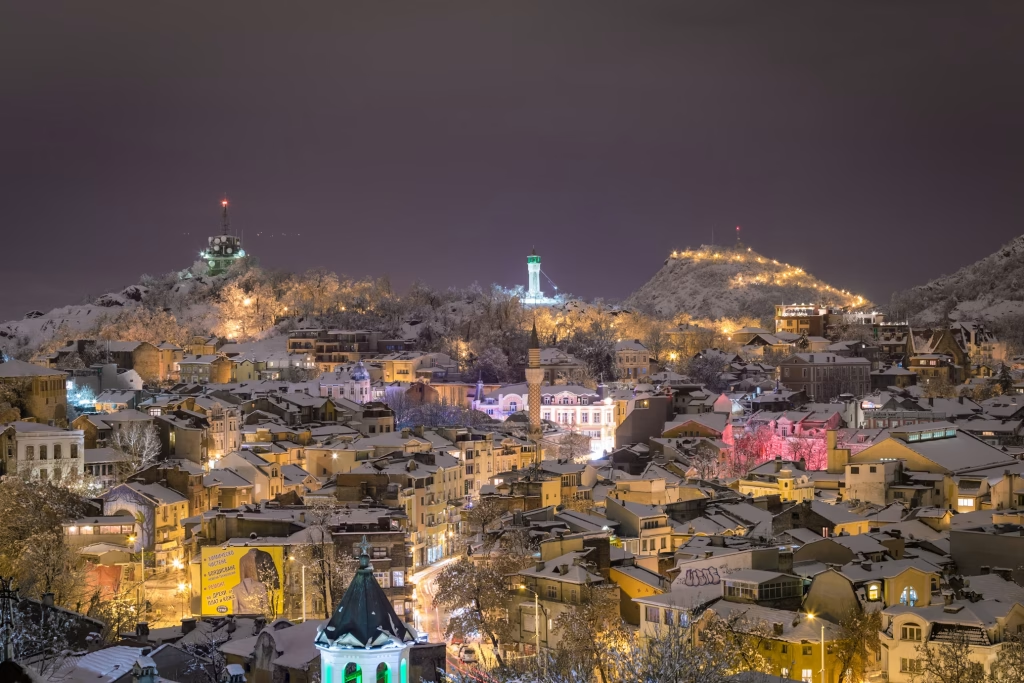
Afterski in Bulgaria is diverse and alive, with lots of different options—from relaxed evenings to energetic parties.
In Bansko, you will find a choice of bars, pubs, and clubs that come to life after a day on the slopes. In fact, Bansko is quite popular when it comes to après-ski because it offers a unique blend of nightclubs and cultural attractions. The old town is perfect for an evening stroll, with historic sites, art galleries, and boutique shops open late into the night.
On the other hand, Borovets is known for its party vibe. Popular discos offer everything from happy hour gatherings and DJ sets to themed parties, creating a vibrant atmosphere for those who enjoy dancing and socializing into the early hours.
You can have a more local experience by relaxing in one of the many traditional Bulgarian mehanas. These rural pubs still maintain the traditional local dishes of kavarma, grilled meat, and the famous shopska salad. These dishes go great with homemade wine and rakia (strong fruit brandy).
If you’re lucky, you might just get a chance to hear the real ethnic folk music playing live for your ears, complementing the warmth and coziness of the place.
And if you prefer spending your evenings a little more low-key, you can choose between numerous cozy cafes and wine bars. Many ski hotels have excellent spa facilities to take the post-ski relaxation to the next level, with saunas, jacuzzis, and massages perfect for tired muscles.
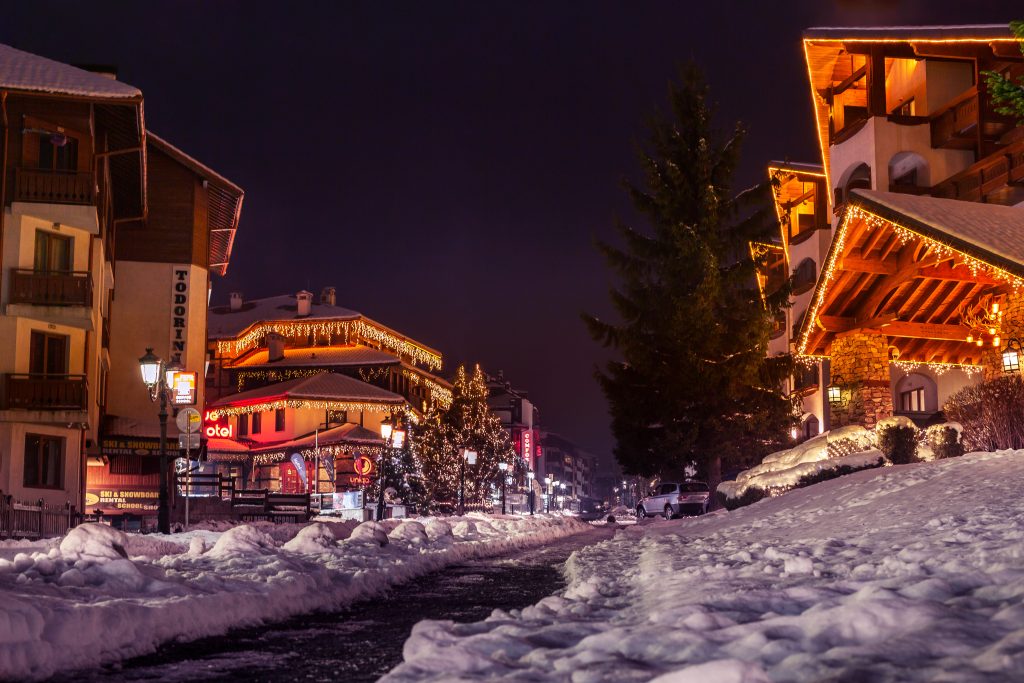
Meanwhile, both Bansko and Borovets have several live entertainment venues hosting everything from rock to jazz bands and Bulgarian dancing, so there is always something going on.
Pamporovo caters to a more laidback, family-oriented atmosphere, with fewer discos but a number of friendly restaurants. There are plenty of family activities, such as snowshoeing, snowmobiling, and even night skiing.
Bulgaria’s après-ski culture combines lively entertainment with a touch of culture and forms one of the memorable ways to round off a day on the slopes. If you are traveling on shoestring budget, the cost of après-ski activities and dining is inexpensive compared to other Western European resorts.
To Conclude
Skiing in Bulgaria is often overlooked due to fancier, more popular locations, but it shouldn’t be so. The country offers a well-rounded experience and excellent skiing conditions at more budget-friendly costs compared to most locations in Europe.
Not only that, but the country is famous for its culture and après-ski, offering you fun even outside of ski slopes. This gives you not only a chance to relax after a tiresome day of skiing but also gives your entire family fun things to do.
Just remember to book your accommodation and ski passes on time, as the slopes can be quite busy during winter.
Happy skiing!