The Crystal Globe is a traditional trophy awarded in many disciplines. It is a beautiful reminder that you must be crystal clear about your mission to achieve it.
The Crystal Globe in alpine skiing was awarded for the first time in 1967 for men and in 1968 for women. It rewards the athletes who accumulate the most points during the season. Unlike medals or specific race trophies, the globe is more about consistency and season-long performance.
Remember That Seasons Change
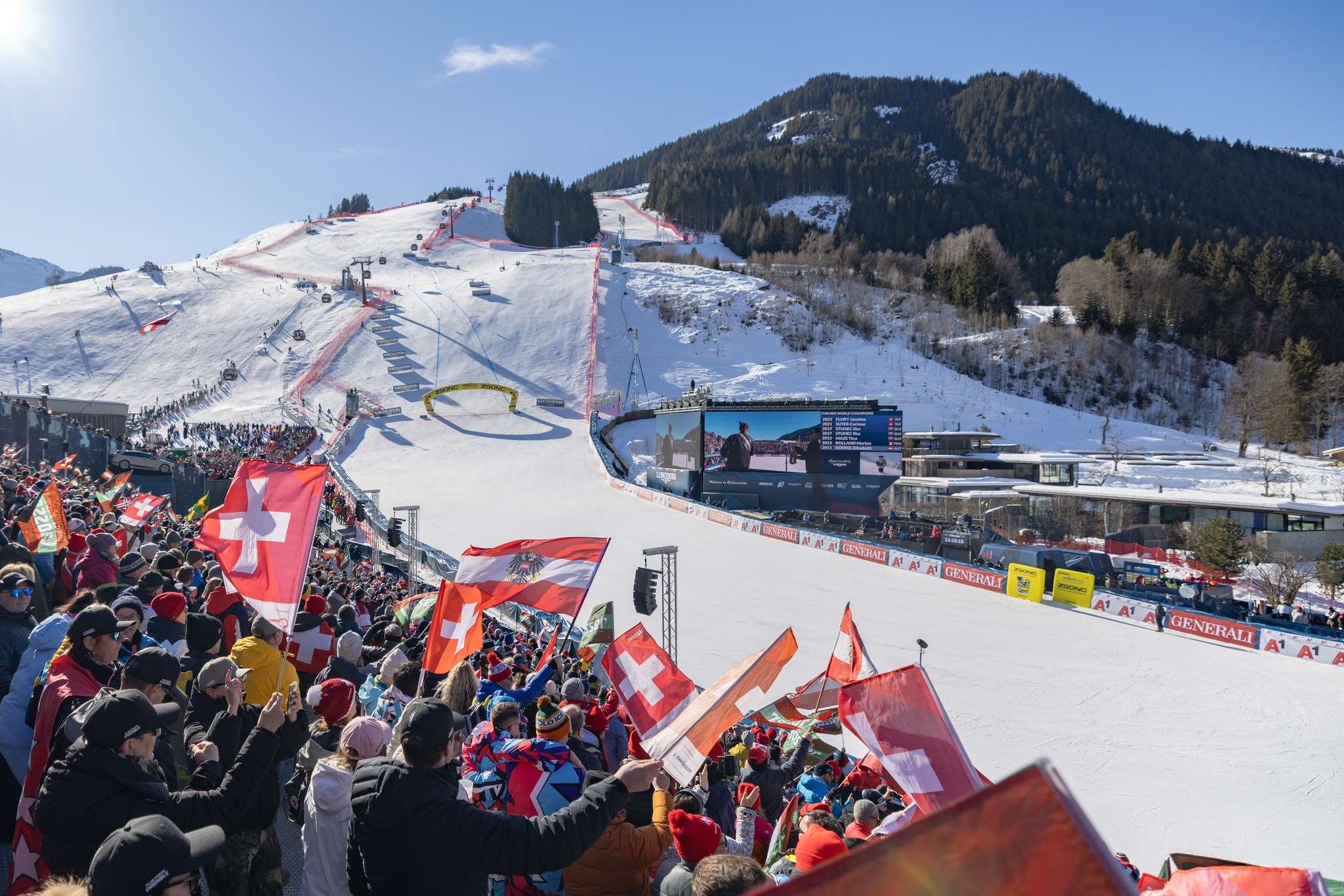
Seasons change, and we cannot compare the champions of the past to those in the present. As equipment gets more aggressive and the number of races grows with every season, gaining the globe is even more demanding today than before. Furthermore, comparing men’s and women’s titles is also tricky, as male racers tend to specialize in the World Cup circuit.
Speed racers sometimes race in the downhill, super-G, and giant slalom. On the other hand, technical racers from the circuit sometimes join the super-G race. The number of these all-rounders is significantly higher with women, as the male courses are more aggressive and ask too much of athletes’ muscles, ligaments, and joints.
The reason is that downhill and slalom are too far apart on the elite level. With the downhill, the need for participation in the training sessions adds more demand. Furthermore, with so many races and traveling, no gender can participate in all-season events, remain competitive, and be injury-free.
Records and Legends: Who’s Won the Most?
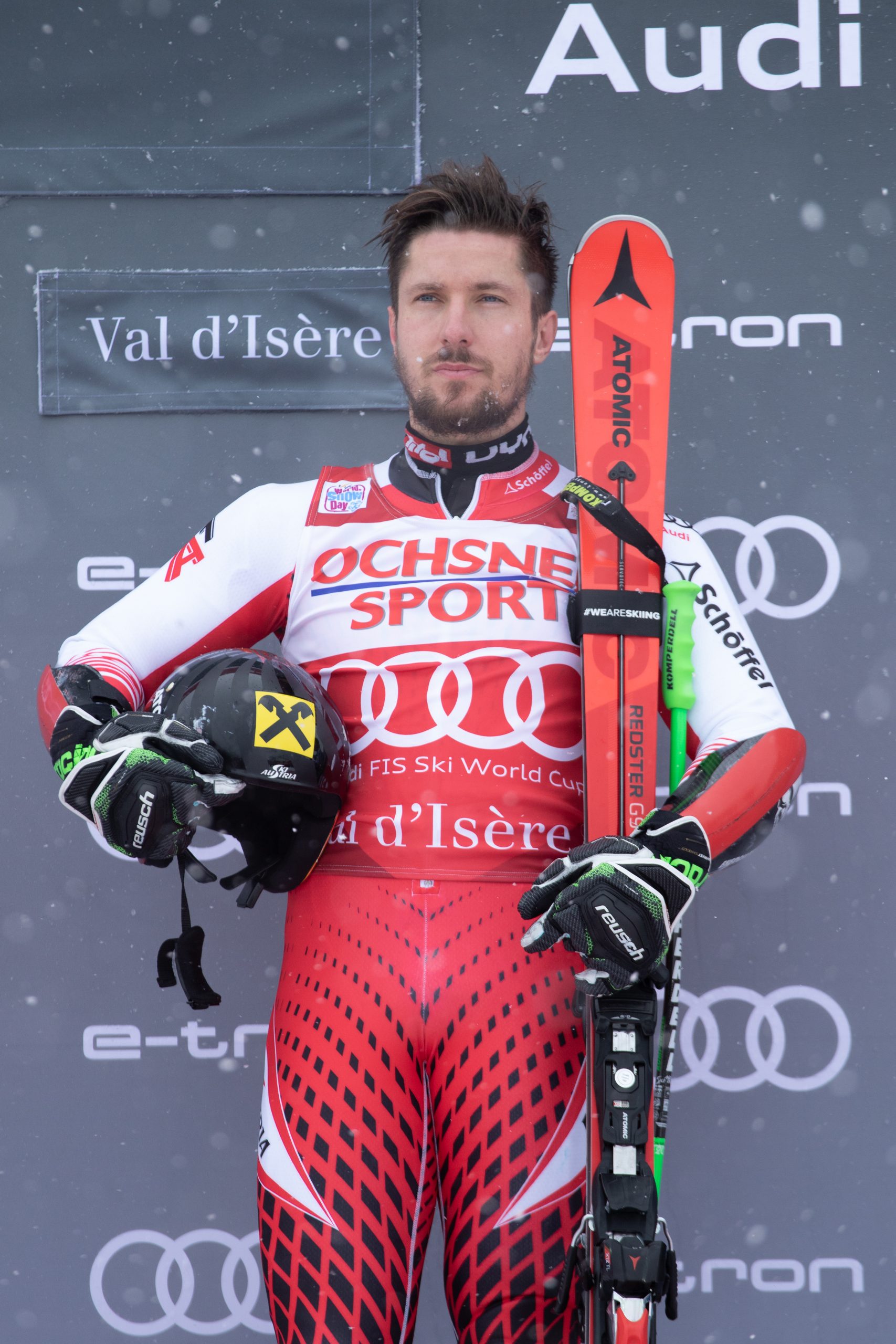
This being said, there are notable champions. Ingemar Stenmark from Sweden still holds the record of securing the most crystal globes, 8 in giant slalom and 8 in slalom. Marcel Hirscher (AUT) is the best skier of all time in this respect, with his unprecedented 8 consecutive overall titles from 2012 to 2019.
Annemarie Moser-Pröll from Austria held the record for most overall titles (6) for decades in the women’s field. She was the icon of the 1970s.
While the overall title is prestigious, many athletes focus on excelling in specific disciplines. Kjetil Jansrud (NOR) secured multiple discipline globes in super-G and downhill but never clinched the overall title. Peter Fill (ITA) won the downhill globe twice, highlighting his specialization in speed events.
Teenagers and Veterans: Age Trivia
The Crystal Globe has been awarded to both young prodigies and seasoned veterans. Unsurprisingly, Mikaela Shiffrin (USA) became the youngest overall globe winner at 22 in 2017. On the other hand, Didier Cuche (SUI) won the downhill globe at 36, exemplifying longevity in the sport.
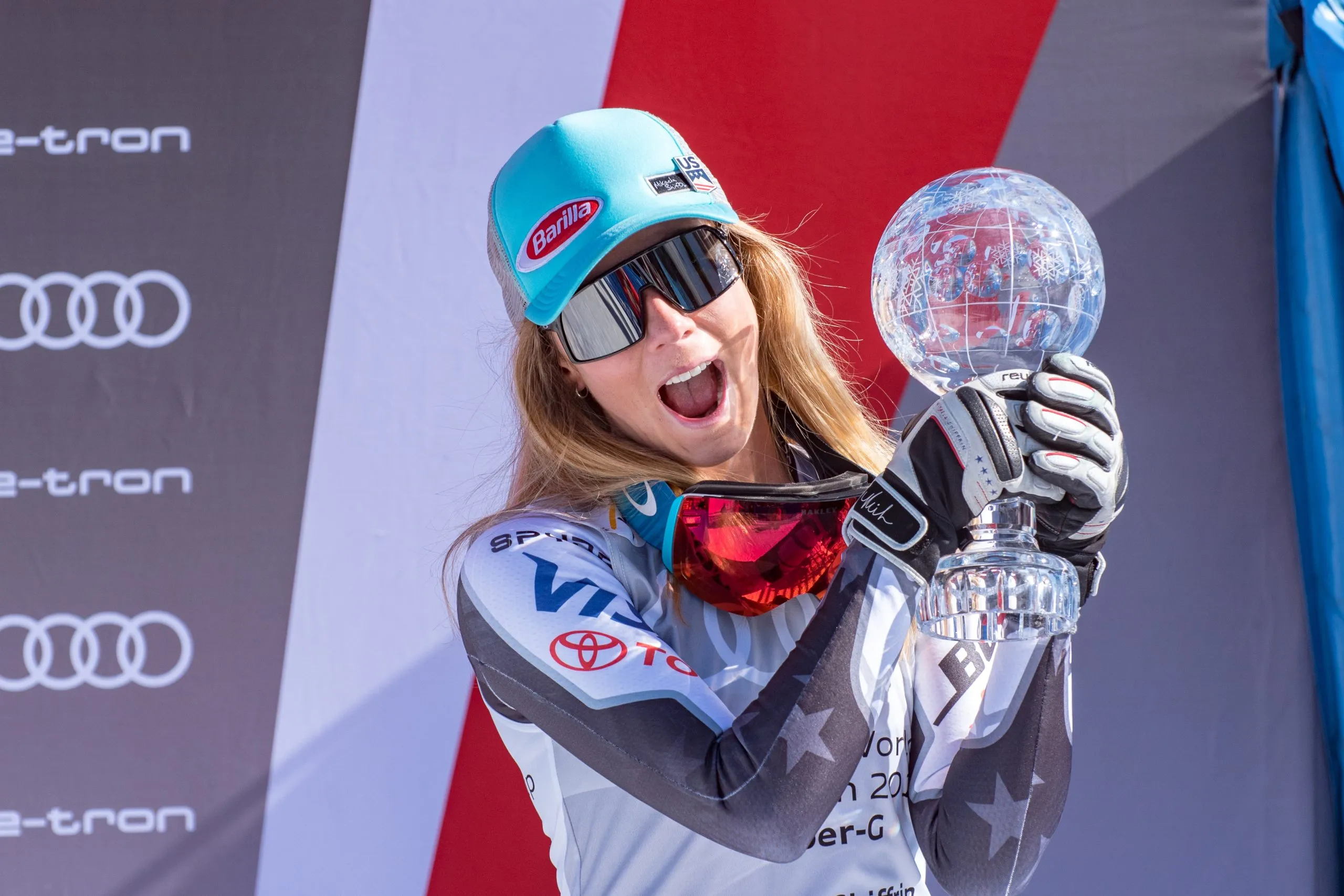
Both these achievements are remarkable. Maintaining competitiveness at 36 and keeping up with the youngsters takes exceptional grit. On the other hand, most young talents do not lack the skill or physical prowess, but for consistency, especially in technical disciplines, patience, and mental resilience are needed to keep up with the pressure and expectations. That comes with age and experience, and most young athletes shine as they enter the arena and then spend years navigating their way to the top. Shiffrin is not the only example but definitely one of the most remarkable to showcase such mental ability at such a young age.
Surprises and Close Finishes
In the history of the FIS Alpine Ski World Cup, the closest finish in the overall standings was in the 2008–2009 season. Aksel Lund Svindal narrowly defeated Benjamin Raich (AUT) by just 2 points.
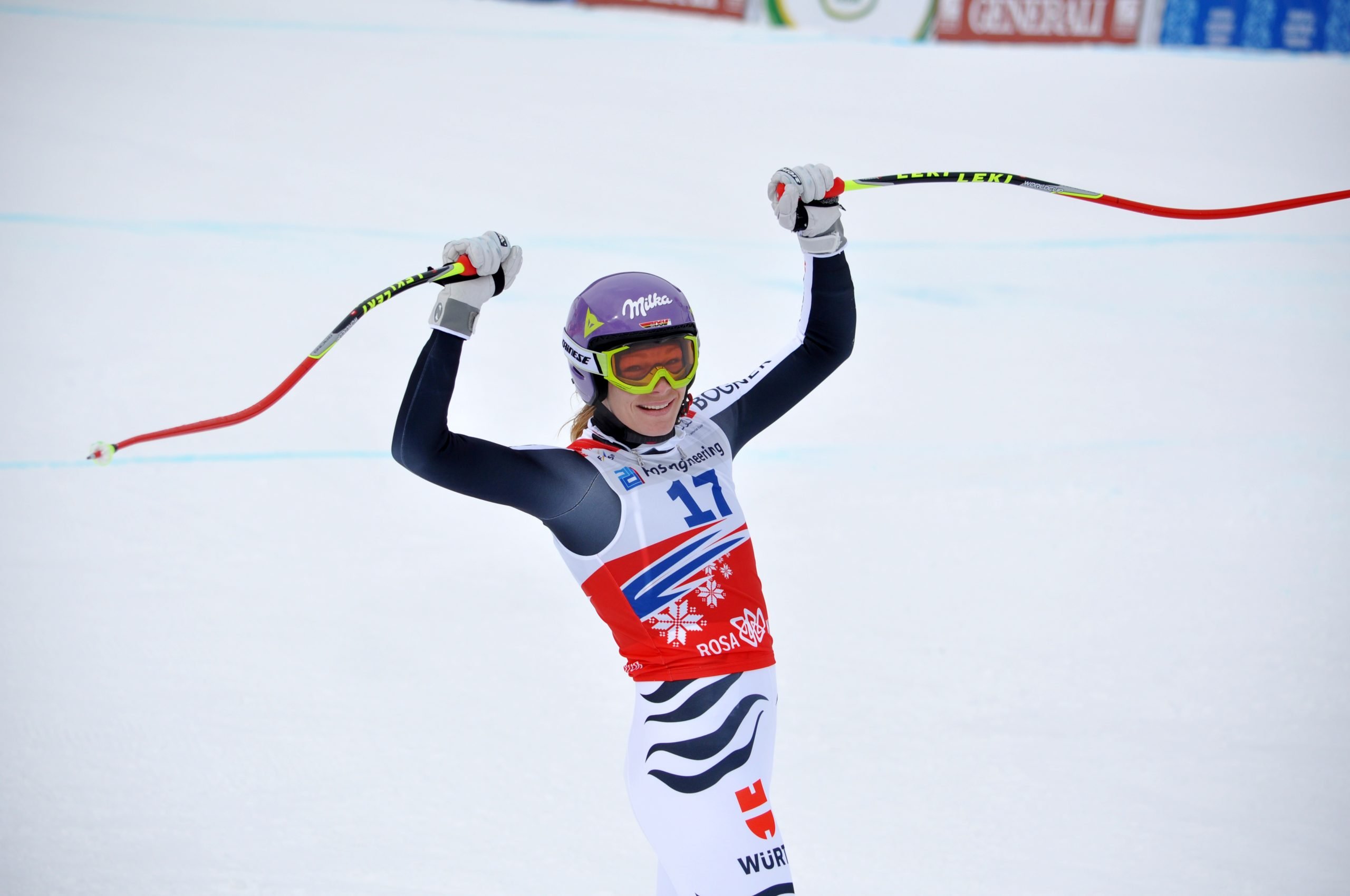
One of the closest races for women was in the 2010–2011 season when Maria Riesch (GER) amassed 1,728 points and Lindsey Vonn (USA) 1,725 points. With just a 3-point difference, it came down to the final race of the season in Lenzerheide, Switzerland. Ironically, that final race (a giant slalom) was cancelled due to bad weather, so the standings froze, giving Riesch the title.
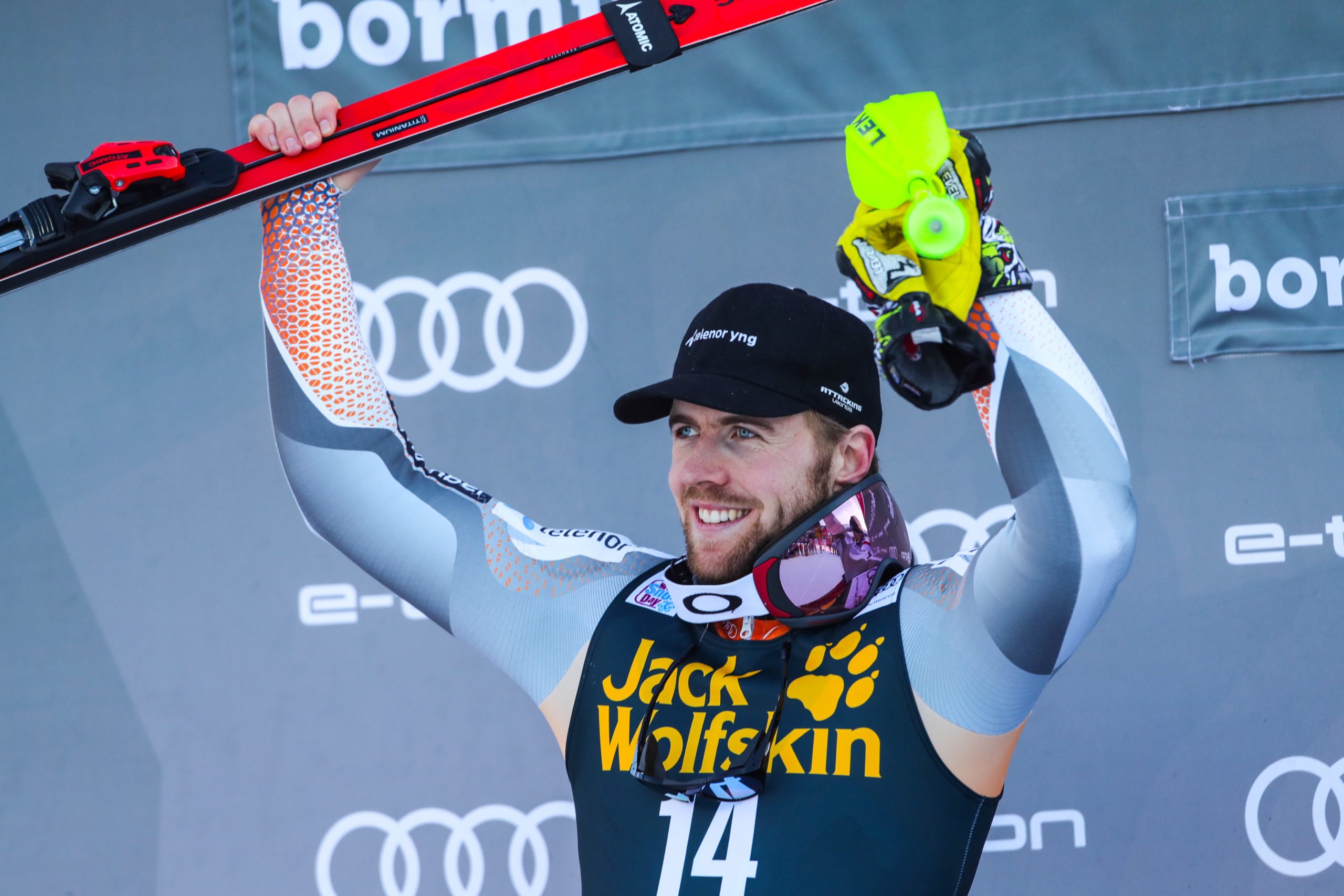
In the 2016 season, Marcel Hirscher secured the overall title after Aksel Lund Svindal’s season-ending injury. Similar was the case of Alexander Aamodt Kilde (NOR) in the COVID-19 2020 season, which was cut short, and Alexis Pinturault (FRA) had no chance of catching up. Nobody wishes this; the winners’ results will always be questioned, even though such questions are irrelevant.
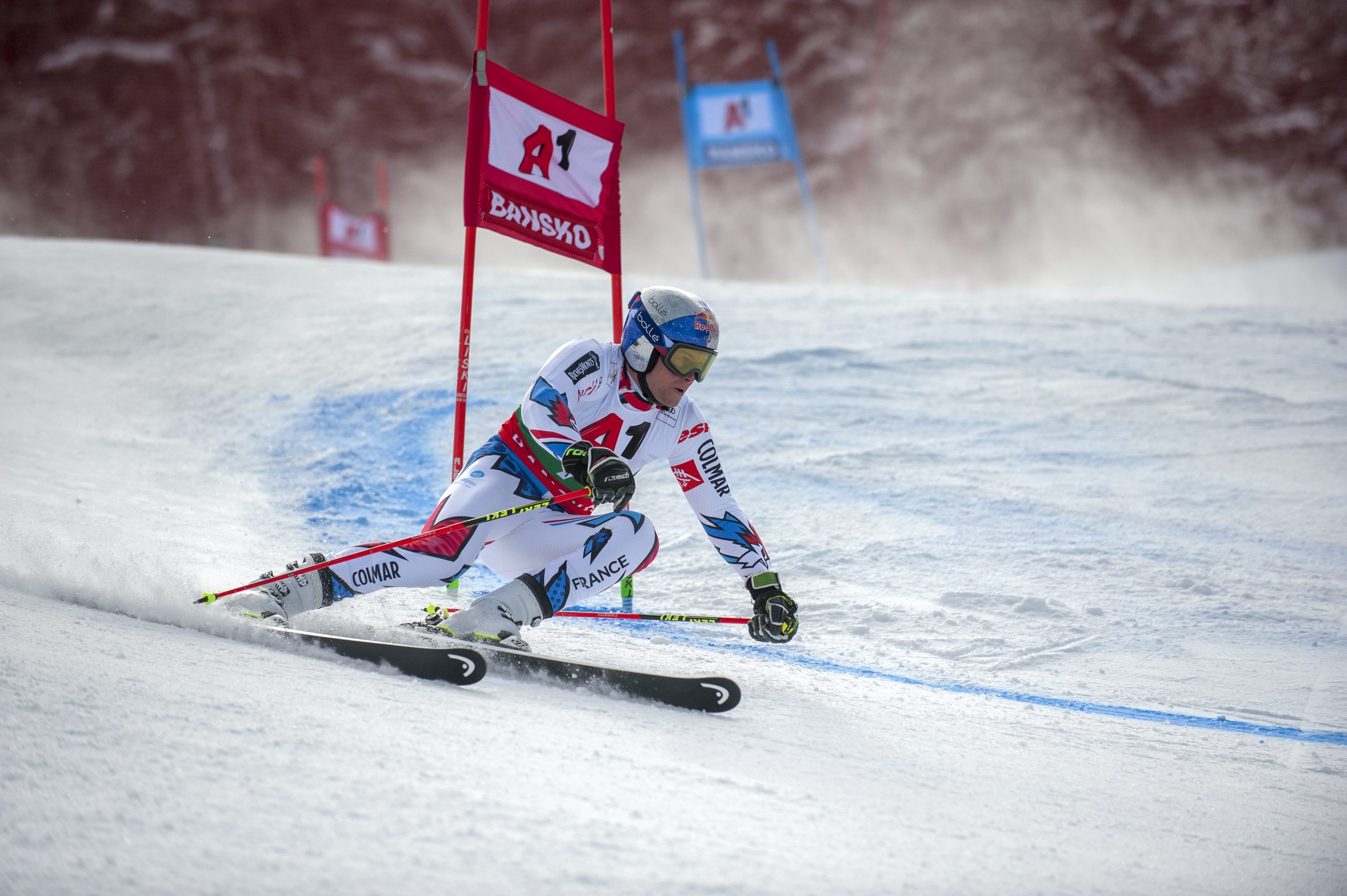
In the 2019 season, Alexis Pinturault raised the alpine combined globe after just two races. This was one of the last moments leading to the complete cancelation of the alpine combined discipline. However, when Carlo Janka had a chance to win the alpine combined globe in the 2015 season, FIS decided not to award the globe because too few races happened.
Another controversy revolved around the parallel events. In the 2020 season, FIS merged the parallel and standard events into one ranking. However, they added the parallel giant slalom into the giant slalom rankings and the parallel slalom into the slalom rankings. The athletes complained that the two parallel disciplines resembled each other more than the standard discipline; the standard giant slalom is entirely different.
This year, we will see multiple overall title winners again. Marco Odermatt (SUI) continues his Big Globe winning streak, and Federica Brignone (ITA) will, with certainty, win the Big Globe for the second time in her career.
So, let us watch the last races; we will keep you informed.