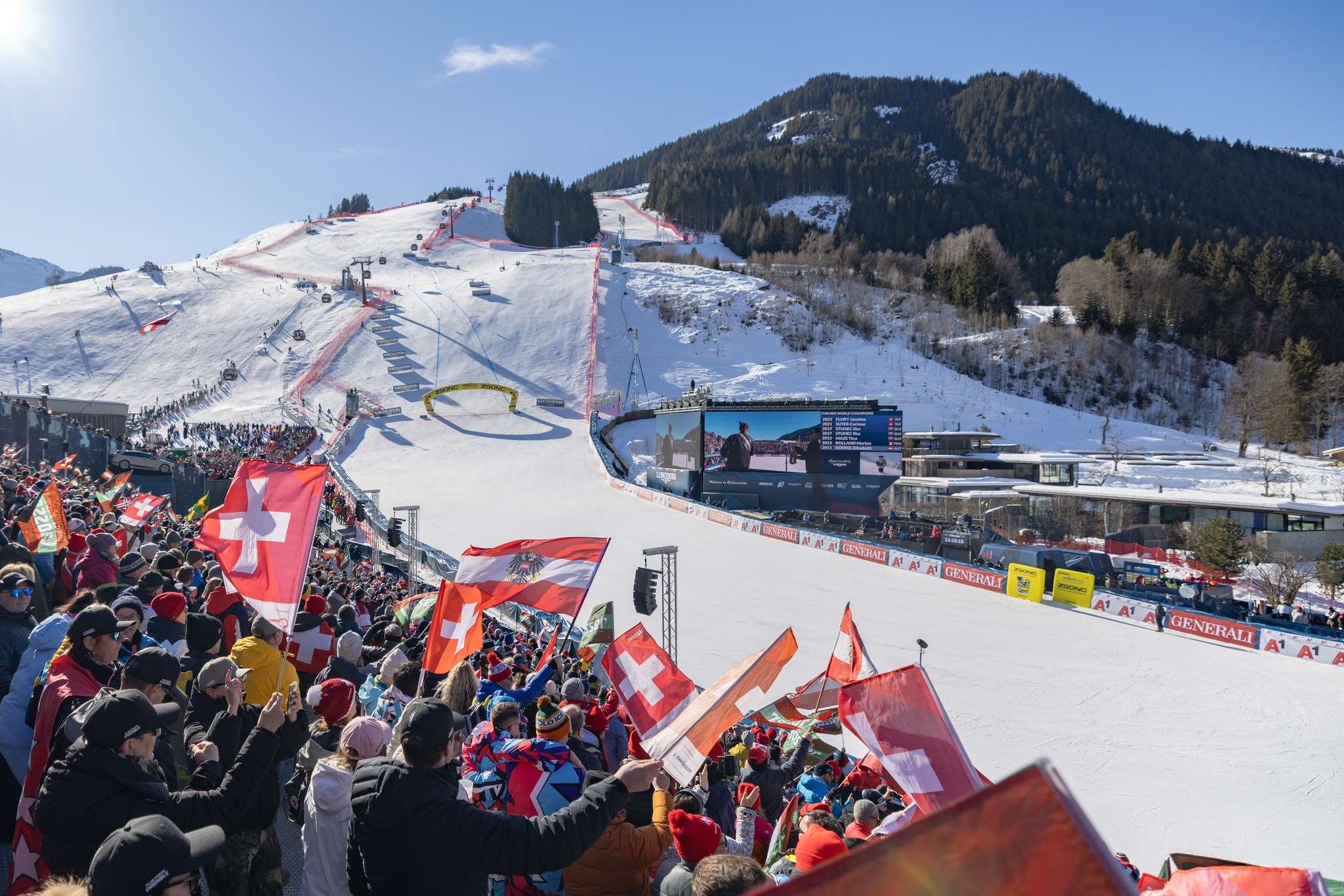
Amidst the calculations in the race for the globes, we should not forget that even as the stars fight for the biggest prizes, the rest count points for minor achievements to finish in the top 10 or top 30. We love to watch the winners, but even the World Cup’s top 30 contenders’ skills and resilience are beyond anything ordinary people can do. In some respects, these guys and gals deserve more ovations than those on top.
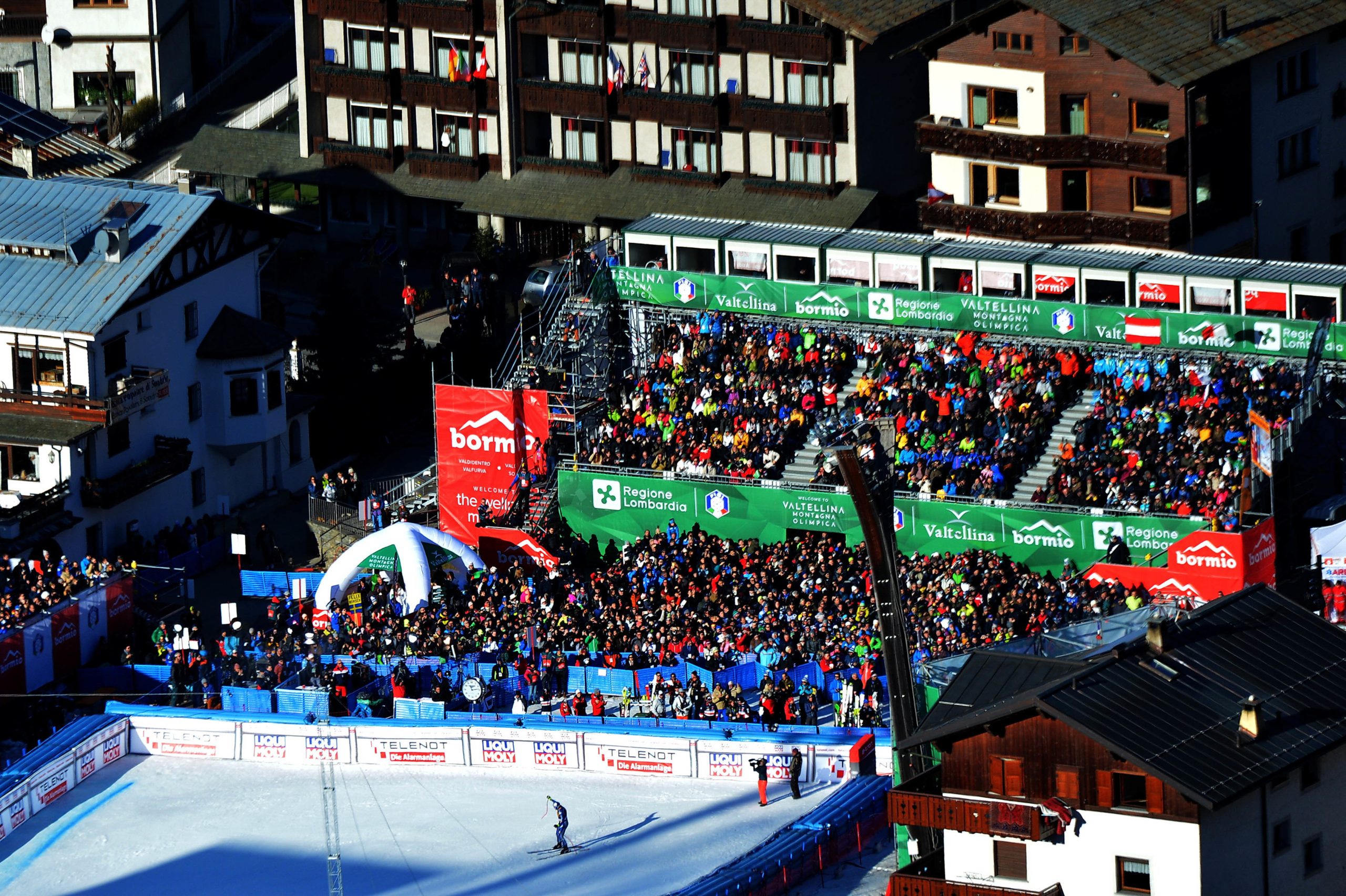
The racers finishing in the top 30 or further down the list are seen as supernumerary. If you dream of racing, you dream of racing at the top spot. But without these guys, there would be no competition. They are indispensable; they are part of the show.
Yes, the best deserve all the praise, prizes, and attention because they are best for a reason.
However, for me, the athletes who race at the top level and rarely or never reach the podium are, in some respects, more inspiring than the superstars because of the challenges they face. And let us face it: most of us at our best, in whatever we do, can aspire to be part of top-level competitions like River Radamus, not demolishing the competition like Marco Odermatt.
So, let us look at the struggles the extra racers face.
Let’s Talk About Money
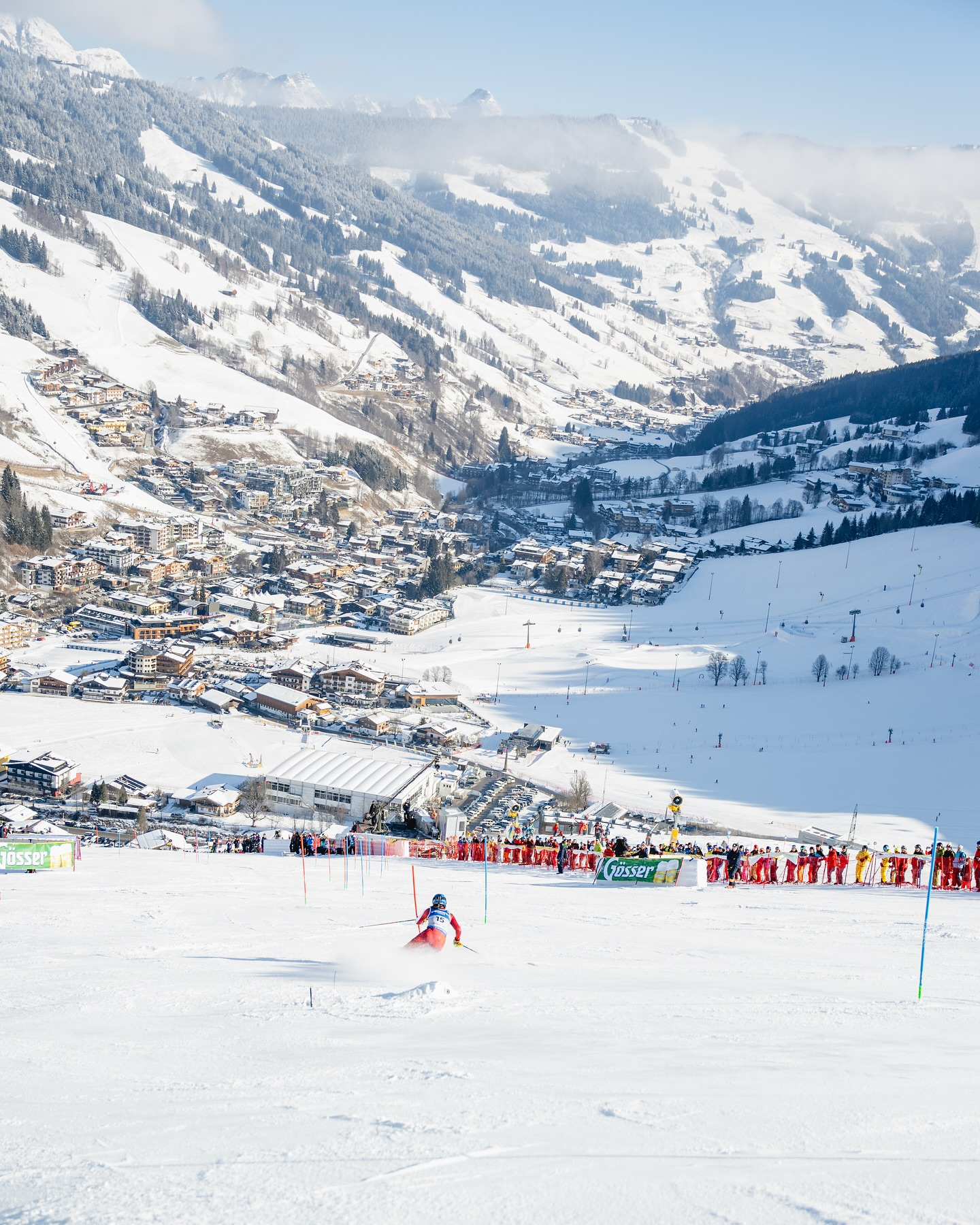
Only the superstars can hope to get rich in alpine skiing; this is not football. The smaller guys, who get their hands on the prize money and lucrative sponsor contracts only a few times, can get a decent living out of their sports but not enough to spare cash for retirement. And talking of retirement, regardless of whether you have multiple gold medals or a few top 10 finishes, your body will face the consequences that might complicate your retirement at the end of your professional career.
Where Do You Come From?
When you come from an alpine nation with a rich skiing tradition, like Austria or Switzerland, the ski federation will take care of you during the season, fund your training, and help you get sponsors and equipment. Furthermore, you don’t have to worry much about finding a decent job after you retire; in the Alps, your ex-World-Cup-racer status will earn you something similar to the Battle-of-Britain status did to RAF pilots in Great Britain. There are plenty of jobs around young and old racers, hobby skiers, ski showbusiness, and ski resorts to sustain you if you try.
But let us imagine you come from a country without a ski racing tradition, like the Czech Republic, where I am from.
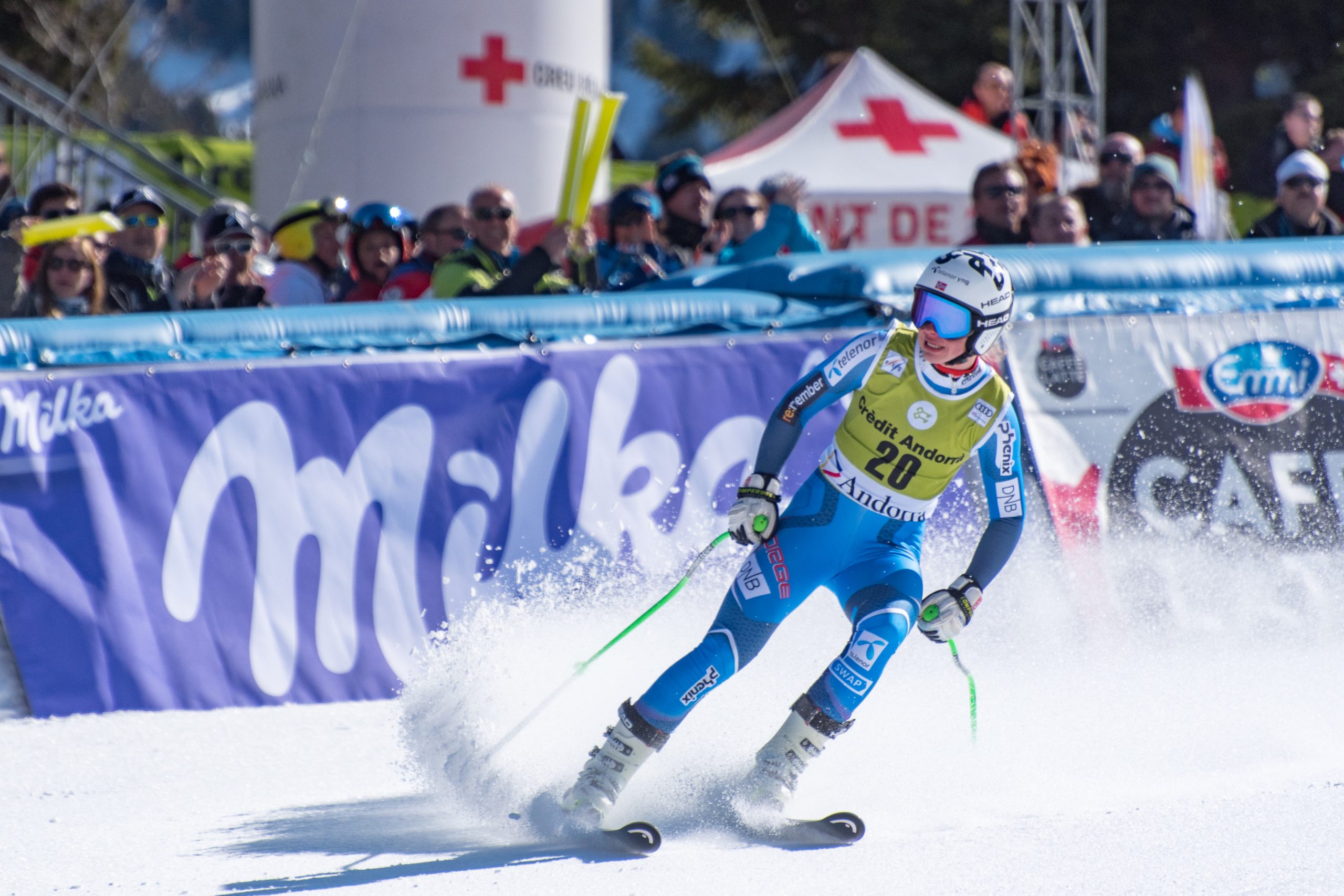
Czech racers either must have famous parents (like Ester Ledecká) or struggle. Our racers don’t have money to pay for agents; they usually personally beg for funding from individual sponsors. The Czech Ski Federation cannot afford to train their youngsters abroad, and our mountains are not steep enough to offer decent downhill training conditions. And going abroad costs money.
Team Up
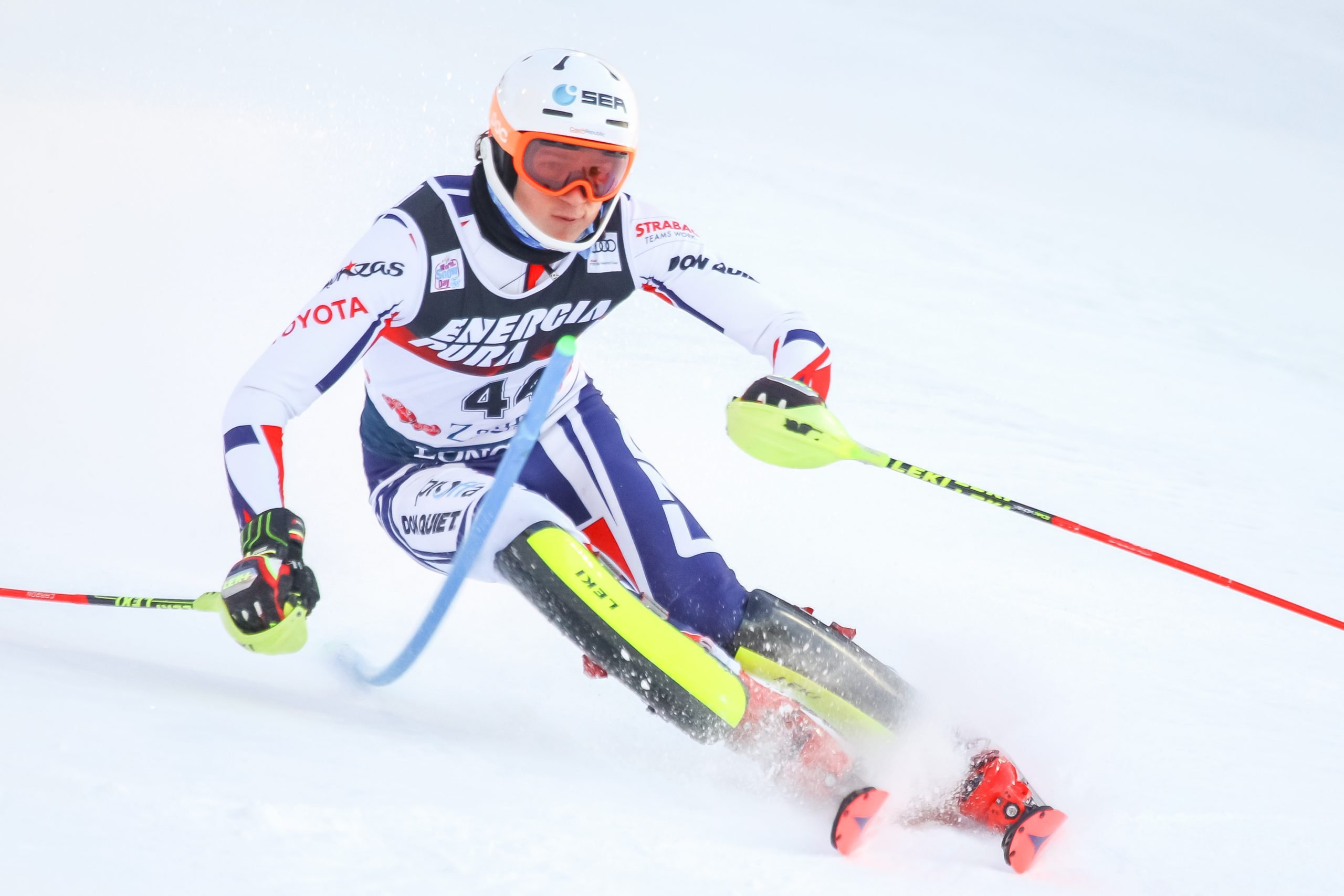
The best the guys from the small nations can do is to mix with the bigger training groups. Like the Czech Jan Zabystřan trains with the German team, or the Finn Elian Letho sticks together with the Swiss (yes, he even shaved his head with them during the World Championships). This strategy pays as these racers continue to climb in the rankings in both cases.
These are just a few examples. Suppose you don’t have a strong skiing federation. In that case, you struggle to pay for your career and have a very uncertain future after retirement.
Suppose you come from a nation with a skiing tradition. In that case, your situation is better, but still, professional alpine sport is not the most financially rewarding occupation if you don’t consistently finish on the podium. And even if we, avid skiers, sometimes envy the professional athletes that they can ski for a living, honestly, there are easier and more comfortable jobs in the world.
The Same Hard Work Without the Glory
The World Cup racers don’t usually complain. They accept that the winners are simply better. If you race at the World Cup level, you are an elite athlete with an elite athlete mindset. And elite athletes did not get where they are by complaining. So, let us do the complaining for them.
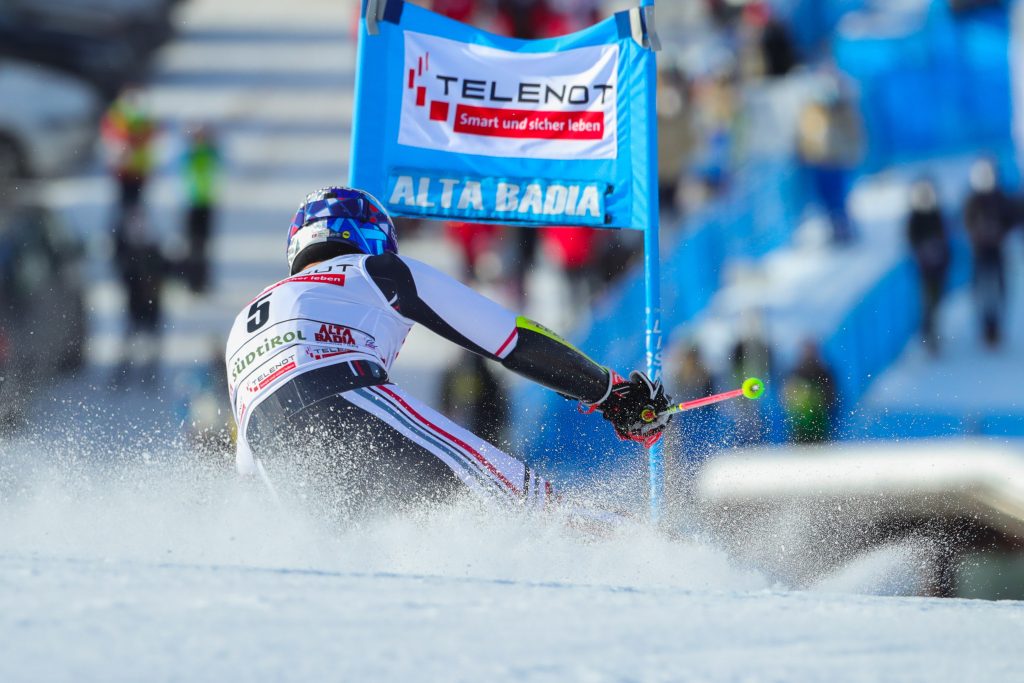
Whether you finish 8th or 1st in a Word Cup downhill, you must spend your life training your body and mind, eating healthy, and traveling the world with a limited personal life away from your family. You have to push your body to the limits, and as you do, accept that your limits are just a little lower than the limits of your conquerors.
You must do your best in every race, never be in the spotlight, never stand on the podium, and never be approached by a fan with a selfie stick.
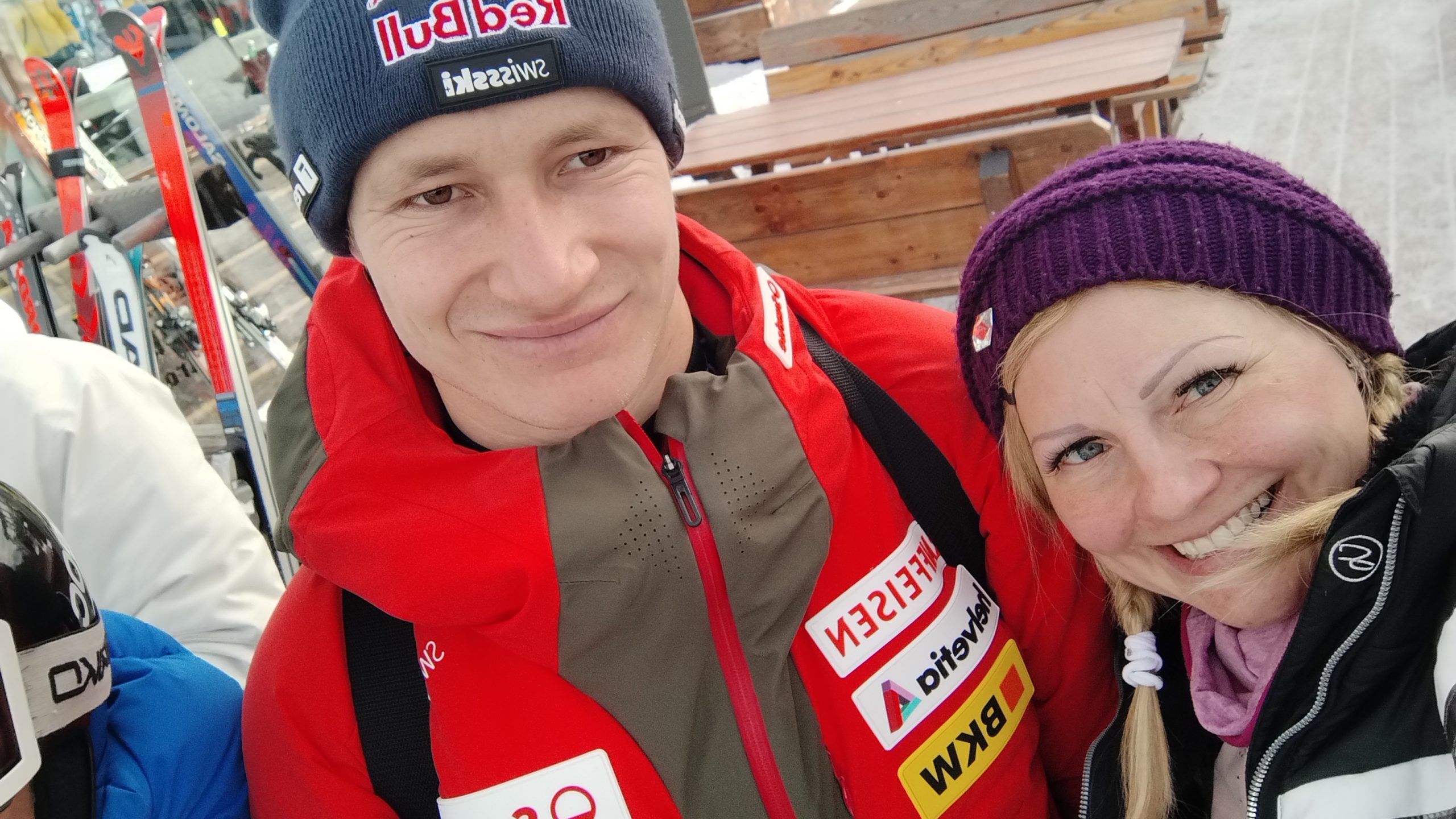
You have to throw away your vanity because if the appreciation from the outside is what drove you so far, this will eat you from the inside.
Thus, you must create another mindset.
While the best World Cup athletes get their appreciation from the cameras around them, those lower in the rankings must create their own goals that are realistic and still challenging enough. And that is hard; you have to know your limits, and you have to know your competition.
- Related post: 5 Lessons We Can Take from the Greatest Skier of All Times: Mikaela Shiffrin From Another Perspective
You can race against yourself, set out to enhance your personal best, improve your overall rankings, conquer your fear in Kitzbühel, or finally nail the Kerner S like a pro.
Your mindset decides if you become a champion, but I believe that mindset is even more essential to remaining average among elite athletes.
And What If You Have Tasted the Reward?
One part of a racer’s career fascinates me: going through a deep valley. Let us be specific.
Ilka Stuhec (SLO) won a downhill crystal globe in 2017. After her injury, she never returned to the top spot but was close in the 2023 season. How much resolve does it take to keep racing, keep trying for years, and not see the results you got used to?
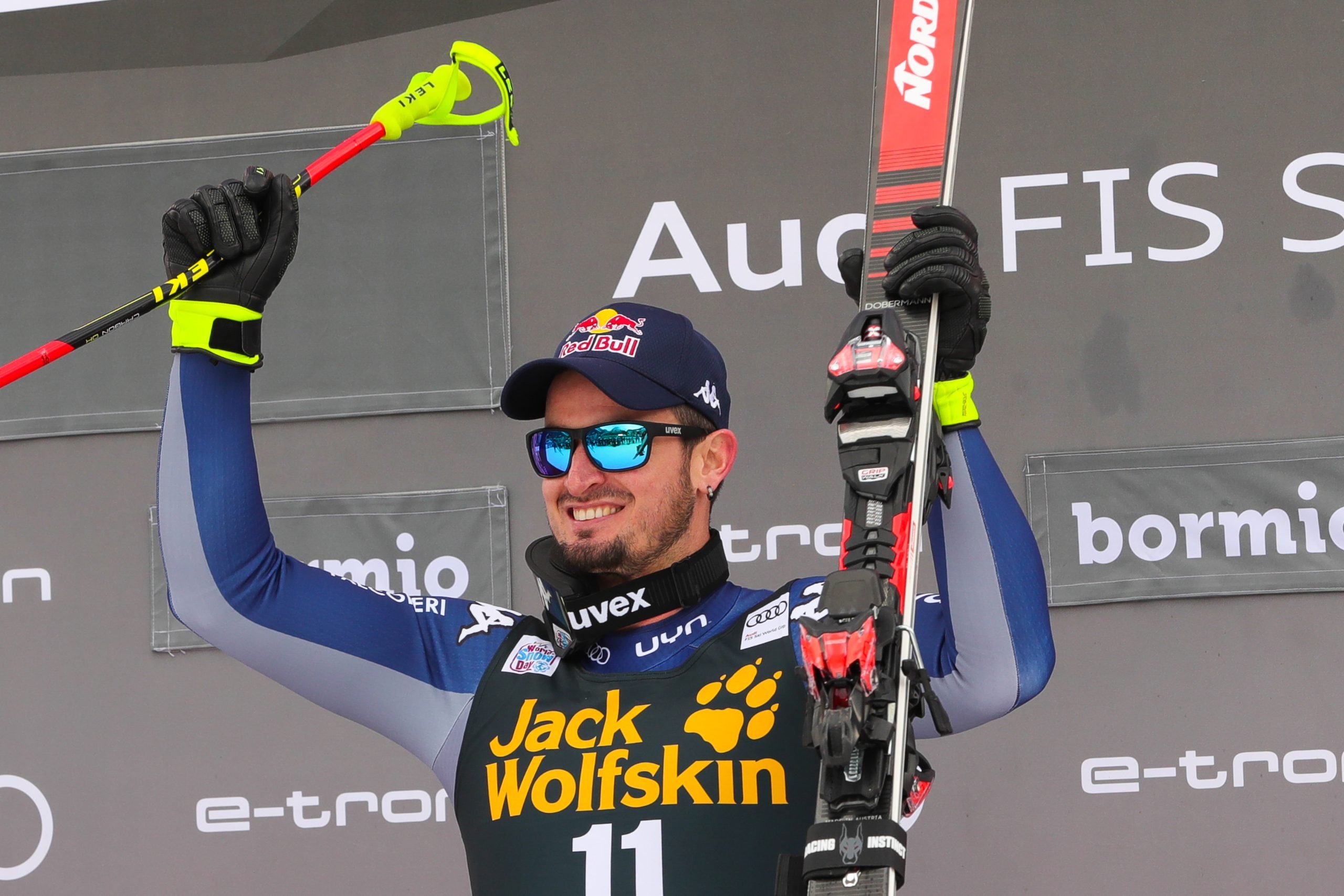
Dominik Paris (ITA). Remember the seasons when it was either him or Beat Feuz (SUI) with the gold when it came downhill? Since his injury in 2020, he has never been that sovereign.
Look at Christoph Innerhofer. He once raced on the top, having podium finishes. Today, aged 40, he still races, yet a top-10 finish would be a dream for him. How much resolve must that take? As your body aches much more when you are 40 than when you started as a teenager.
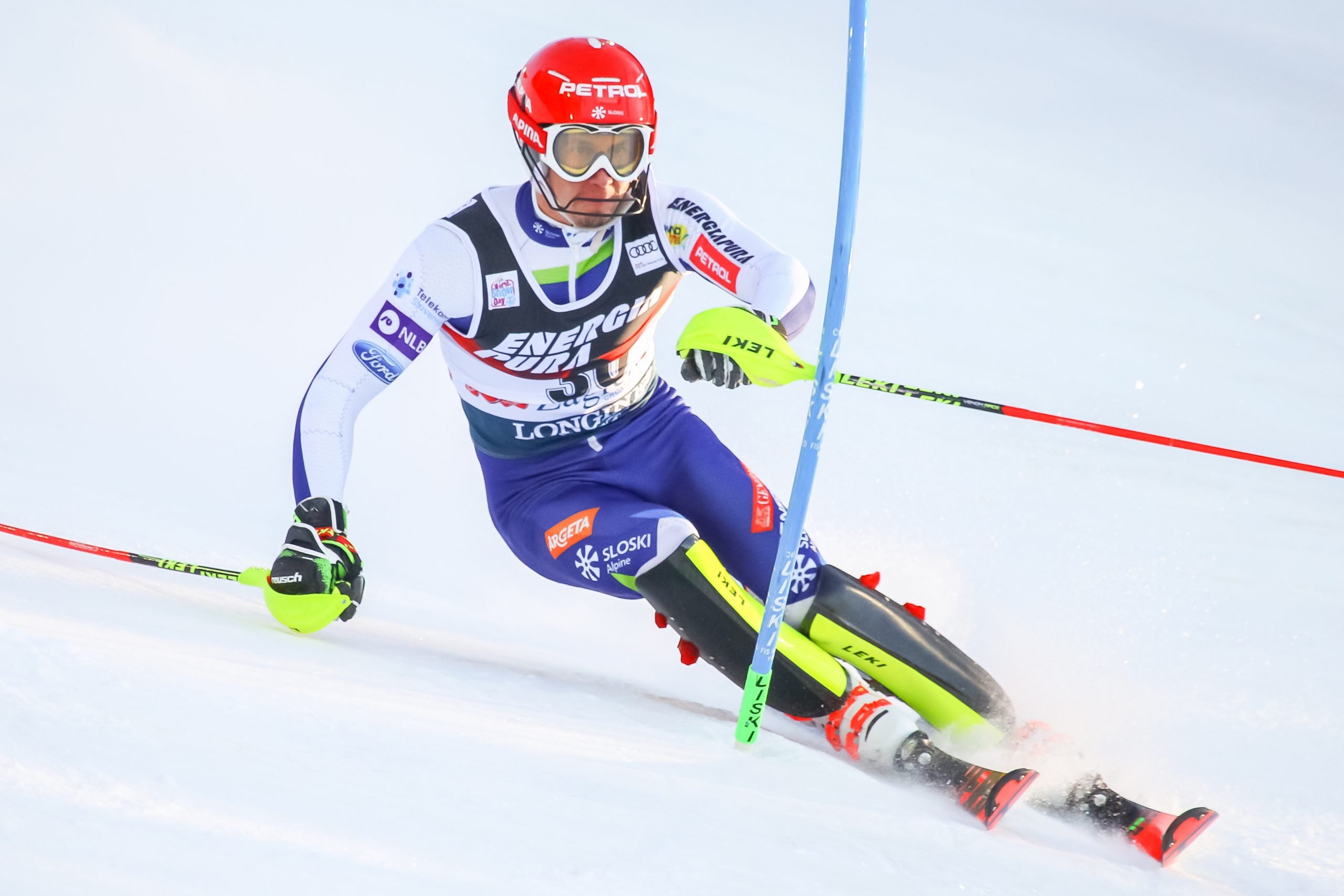
Zan Kranjec (SLO) and Filip Zubcic (CRO) are regularly in the top 10, but there have been seasons when Zubcic would hope for a globe. Or take Ramon Zenhaeusern (SUI) and Sebastian Foss-Solevaag (NOR). These guys used to compete for the globes, and today, even though they are not that old, top 30 finish is a success for them.
You don’t give up because you always hope for a breakthrough. Every season can be the one. But that is not why you are here, is it? If you only race for victory, you will never enjoy the racing as such and eventually burn out.
Thus, the power of mindset is crucial.
So, let us spare a thought for those who will not run around the finish area with a trophy in hand but still will enjoy the celebration of their season performance. Let us cheer for them and watch every race from beginning to end.