On November 23rd and 24th, the slalom stars met in Austrian Gurgl. The course kicks off at an altitude of 2,475 meters, and together with the natural snow that covered the Alps during the week, the conditions promised two perfect runs.
- Related post: Preview: FIS Alpine Skiing World Cup Slalom in Gurgl
Women’s Race: Pristine Course with Perfect White Blanket
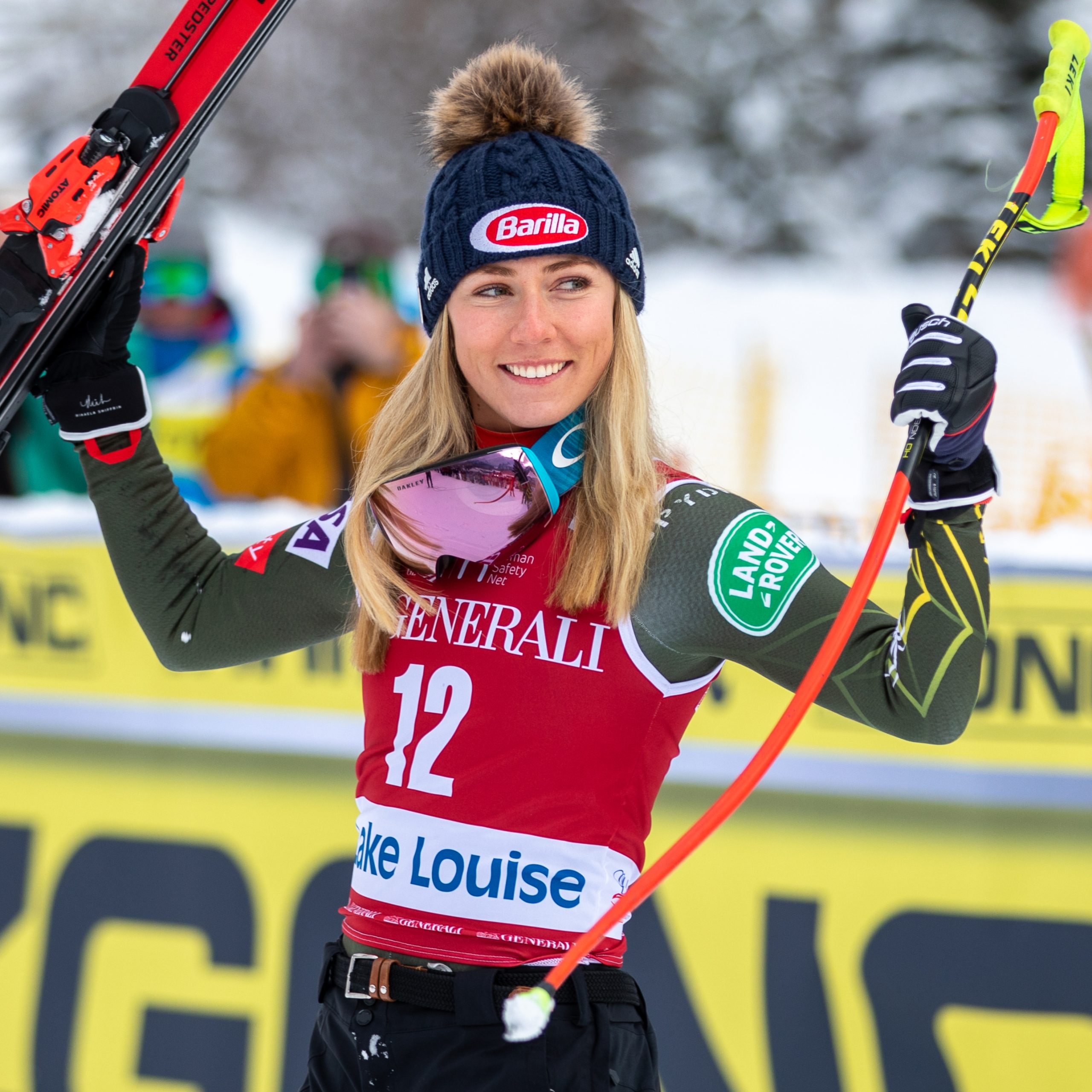
The sun was shining, and the temperature was -16 °C, leaving very little moisture in the snow blanket, making it grippy. The course was in pristine condition for the ladies’ race. Mikaela Shiffrin (US) started with bib number 1 and literally picked up where she left off. The first run, however, brought three delightful surprises. First, Wendy Holdener (SUI) finished second and came very close to the leader. We could see Wendy charging down the slope with certainty, confidence, and fire for the first time since her damaging injury. Second, the young star from Albania, Lara Colturi, who was only 18 years old, finished third. And finally, Italy’s Lara Della Mea proved how well prepared the course was, as she finished sixth with bib number 40.
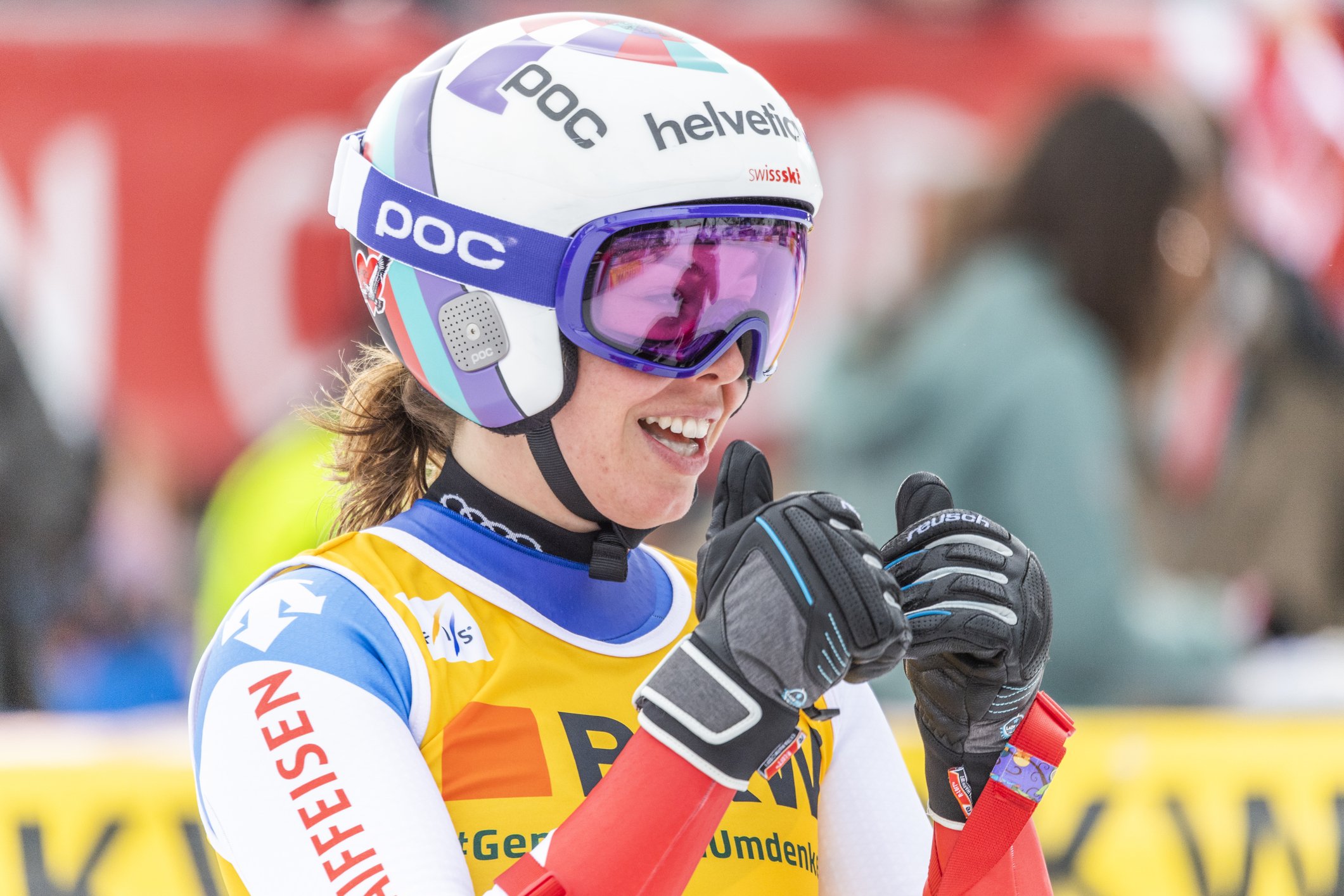
As usual, the second run was about catching up with Mikaela Shiffrin. First to try was Lena Dürr (GER), who did not quite nail the first run but proved smooth and calm in the second run and got into the leader’s chair with seven to go, but only until Camille Rast (SUI) toppled her with a tactical, near perfect run. Lara Colturi then proved that her young shoulders carry a calm and composed head as she used her advantage to finish on the podium.
Wendy Holdener and the home crowd’s darling Katharina Liensberger (AUT) failed to deliver a podium result, which surely will come later with both ladies in such form.
Then, it was Shiffrin’s call to smash the competition. Which she did and won the race, with Lara Colturi (2nd) and Camille Rast (3rd) completing the podium.
In the post-race interview, Shiffrin once again showed emotion, explained how nervous she was, and said she surely did not expect this. Typical Shiffrin, the fans expect her to win, but she always seems surprised at her success.
Men’s Race: Call it Ice Skating
In his post-race interview in Levi, the ski legend, Marcel Hirscher, explained that Levi was too icy for him. After such a long break, he could not hold the skies on the edges. When the interviewer asked him his expectations for Gurgl, he asked, “Is Gurgl so icy as well?”It was, as Marcel Hirscher’s DNF in the first run showed. Now, off with the legends, and let us celebrate the youths.
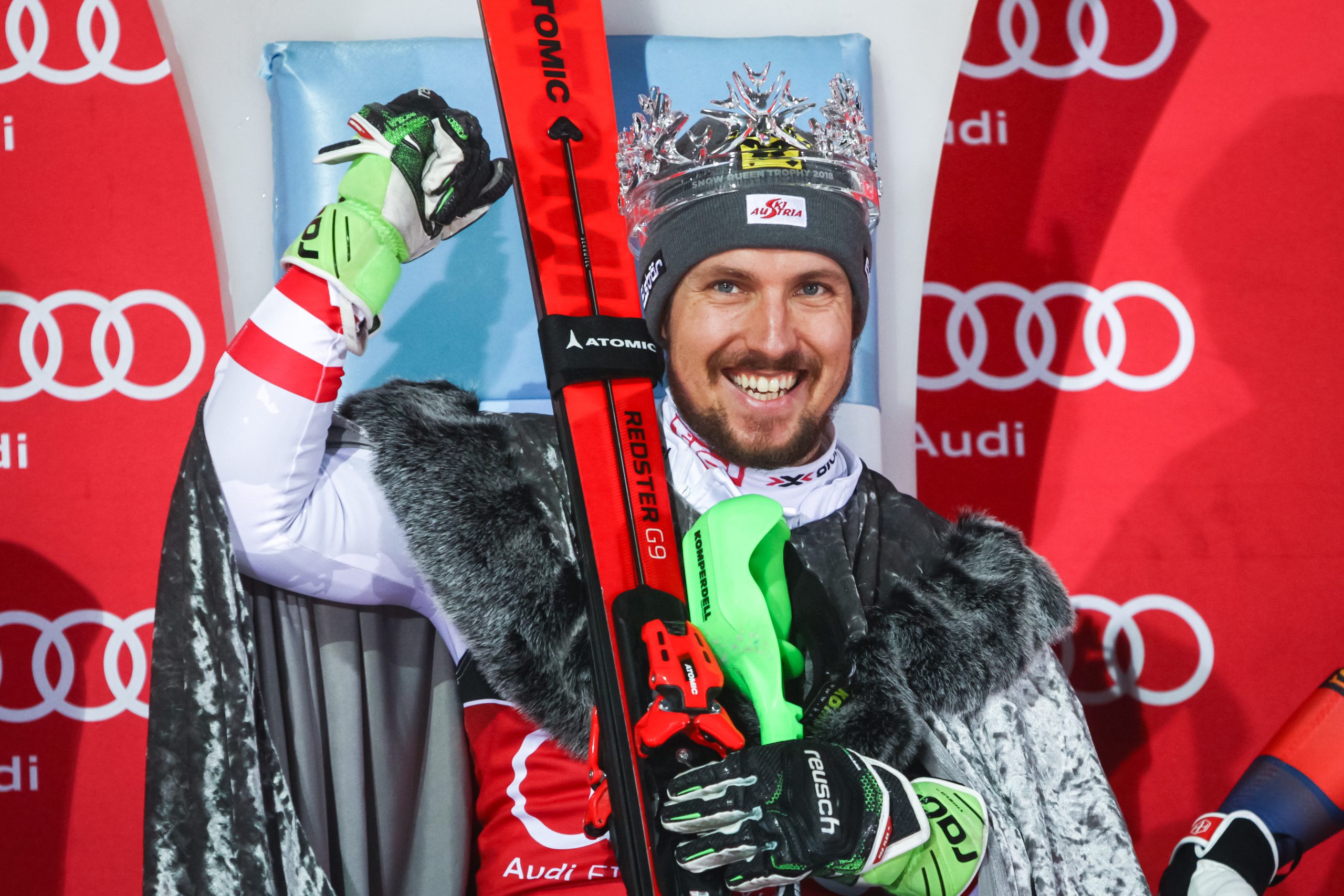
It is true that during the week before races, the conditions seemed perfect, with a perfect amount of snow. Even the ladies the day before raced on a perfect snow-covered track. But it turned much warmer on Saturday night. On Sunday morning, the temperature barely sank under zero. Hence, the organizers injected the slope with more water, making it as icy as possible. The layer of ice held perfectly, creating considerably fewer ruts during the second run than you would expect in such warm conditions. But the course was so slick and icy that even on TV, it sparkled like a mirror. It proved to be too much for some racers, even though they are used to difficult conditions.
- Related post: Preview: FIS Alpine Skiing World Cup Slalom in Gurgl
First disappointment met Manuel Feller (AUT), who acquired his third DNF in three races this season. That is not a good thing. We know Feller has the skills, but after three DNFs, he will indeed begin to doubt that, and that is a toxic thought for a slalom skier. Let us hope Feller will get out of the vicious cycle soon, as he is otherwise a dynamic and exciting skier to watch.

Clement Noel, who seemed like a racer from another world, won the first run with a nearly 1-second headstart. Only Alte Lie McGrath (NOR) and the rising French star Steven Aimez came under the 1-second lead. Surprisingly, many big names ended up in the second ten, like Loic Meillard (SUI), Henrik Kristoffersen (NOR), or Alexander Steen Olsen (NOR). On the other hand, the first ten starred surprising names like Albert Popov (BUL), who seemed to have been searching for his lost form for a long time, or Armand Marchant (BEL). The Finnish miracle Eduard Hallberg ranked 11th after the first run. These results show how well the course looked even for the higher bib numbers. However, Hallberg was 1,75 seconds behind Noel, proving the masterclass of the French racer.
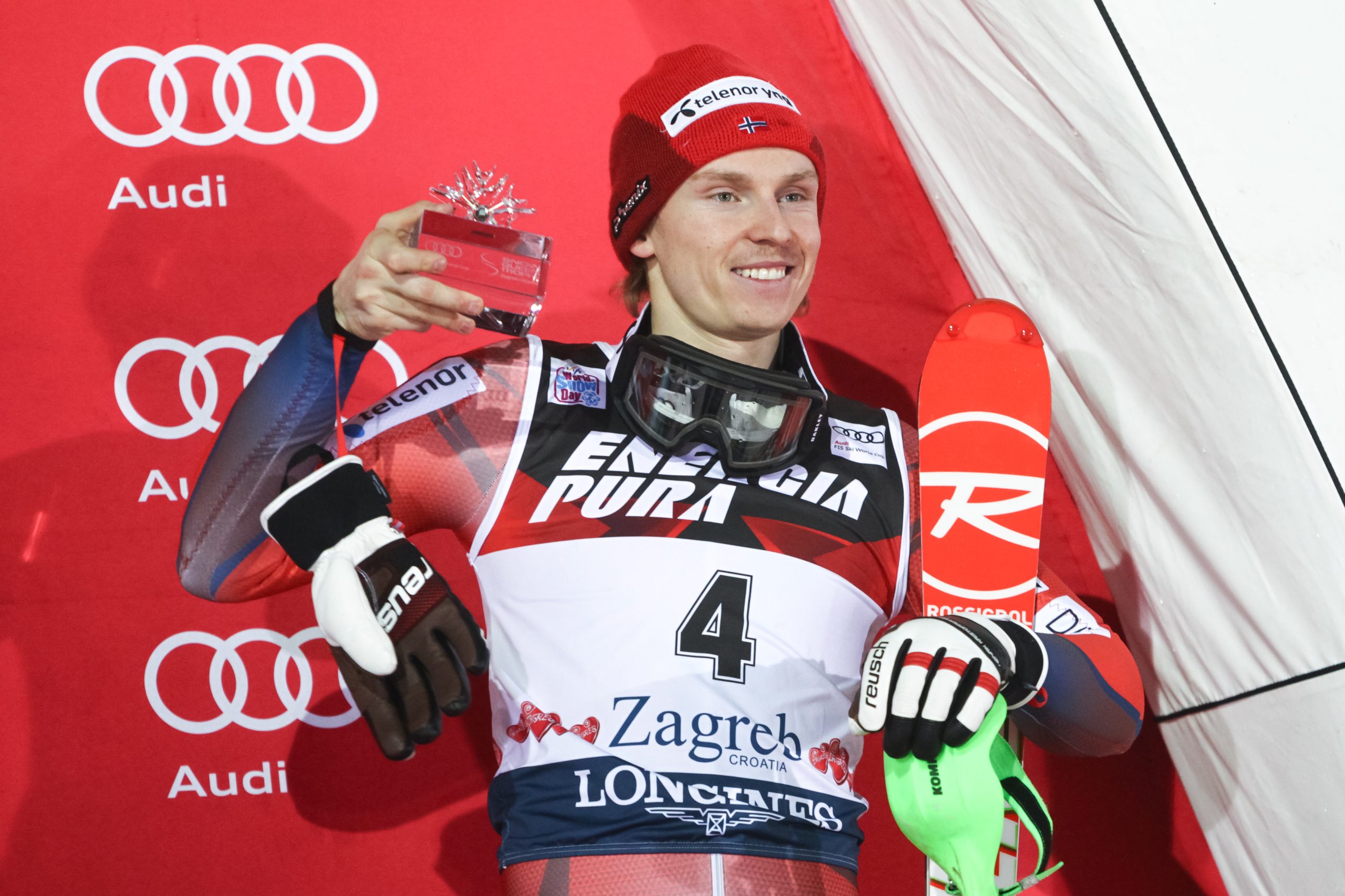
Lucas Pinheiro Braathen (BRA) had to give it all and risked too much, so we did not see him in the second run.
When the interviewer asked Henrik Kristoffersen (NOR) after Levi what he needed to improve before Gurgl, Henrik replied:
To race better in the first run.
This is true enough because Kristoffersen nailed the second run, jumping 7 places in the final ranking. Still, it was insufficient for a podium, nor did Loic Mellard’s (SUI) second-run charge succeed.
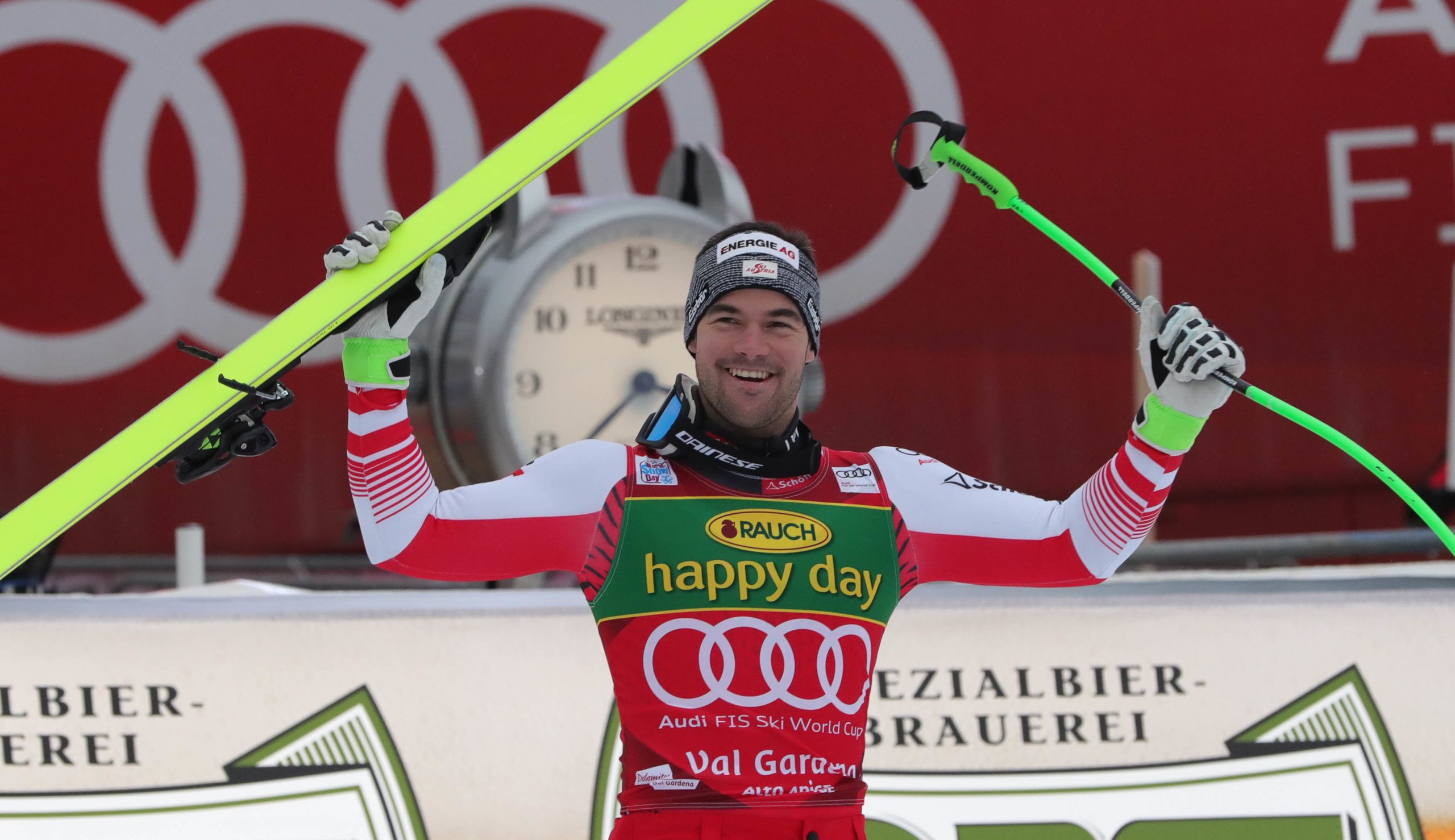
The icy slope belonged to the youngsters Kristoffer Jacobsen (SWE) and Atle Lea McGrath (NOR), who gave it all and finished on the podium. Clemen Noel, starting with a lead of 1,42 seconds, could afford many mistakes and still win. He made some mistakes, recovered, kept his cool, and won again. Clement Noel seems unbeatable this season and is on his way to writing history.
In the past seasons, he struggled with consistency and had many DNFs. Obviously, he improved his mental fitness, grew up, and grew wise, and together with his exceptionally light and smooth skiing style, this creates a deadly combination for the competition.
Let us see the next race. Will it be so icy again?