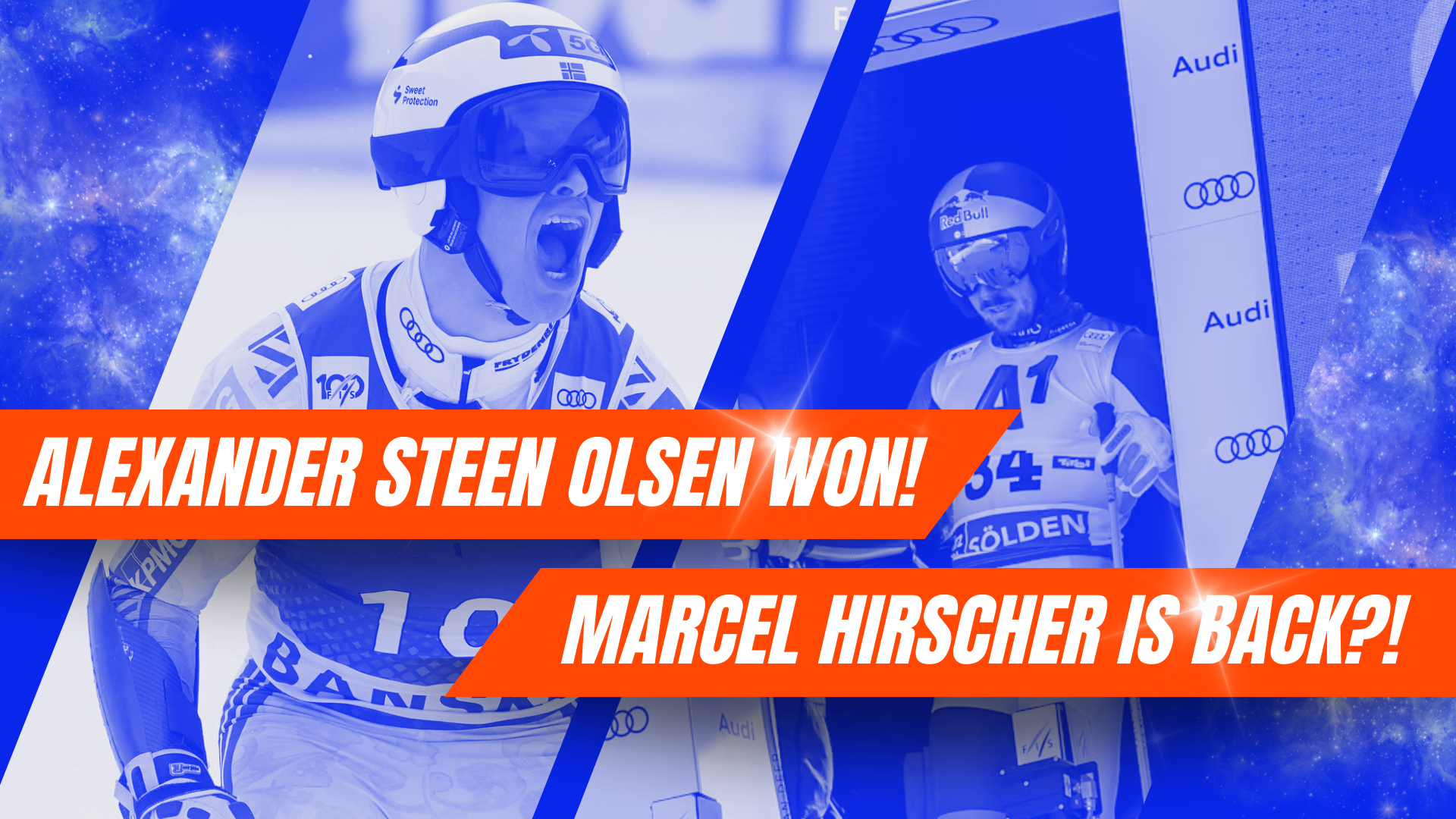
The new alpine skiing season starts soon; Sölden opens the gates on October 25 25th. The calm before this storm, however, feels different. Every new World Cup brings stories, comebacks, and rivalries, but Olympic seasons carry their own tension. Every turn, every point, every hundredth feels heavier when the Games are on the horizon.
Sölden has always been more than just a curtain-raiser. It’s a checkpoint, a point to test equipment and form, and, this year, the first sign of who’s ready for Milano–Cortina 2026. The gates are set. The ice is ready. And the world’s best are about to find out what an Olympic season does to the nerves.
The Weight of a New Season
Even the best feel it.
At the premiere of Downhill Skiers – Ain’t No Mountain Steep Enough in Vienna, Marco Odermatt (SUI) admitted that each season start still feels like starting over. “You can try to simulate it in training,” he said, “but racing is different.” For the man who made winning look effortless, it was a rare glimpse of vulnerability.
Yet, Odermatt insists the pressure is gone. He no longer races to prove anything but to chase what still eludes him, a Kitzbühel downhill victory and, if the stars align, an Olympic downhill gold. He’ll keep tackling all three disciplines, GS, Super-G, and downhill, as long as his body allows. “I’m healthy,” he said, “and that’s the only way to do this kind of schedule.”
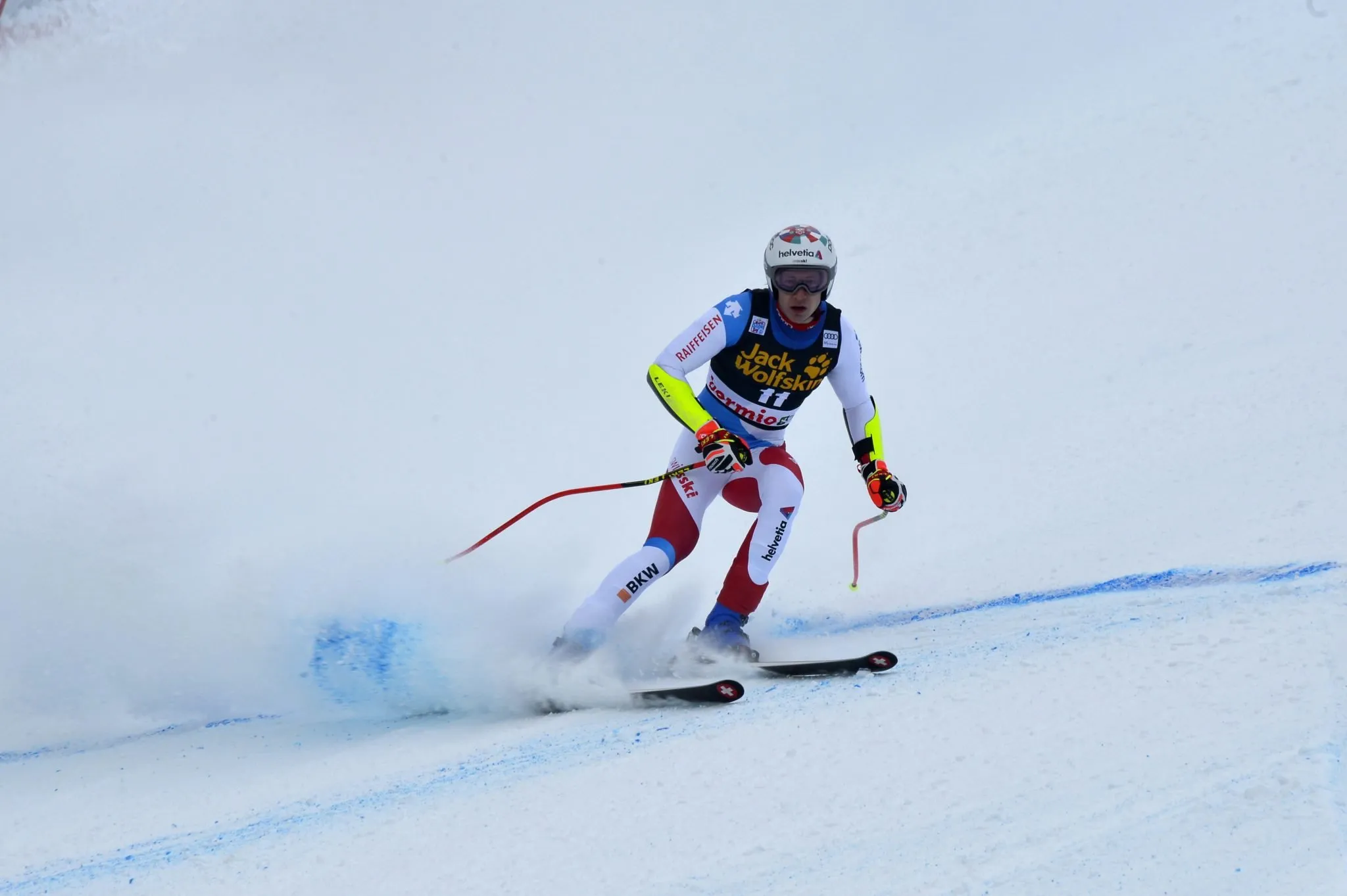
The favourite has nothing left to prove, which, ironically, makes him even more dangerous.
Brignone’s Battle
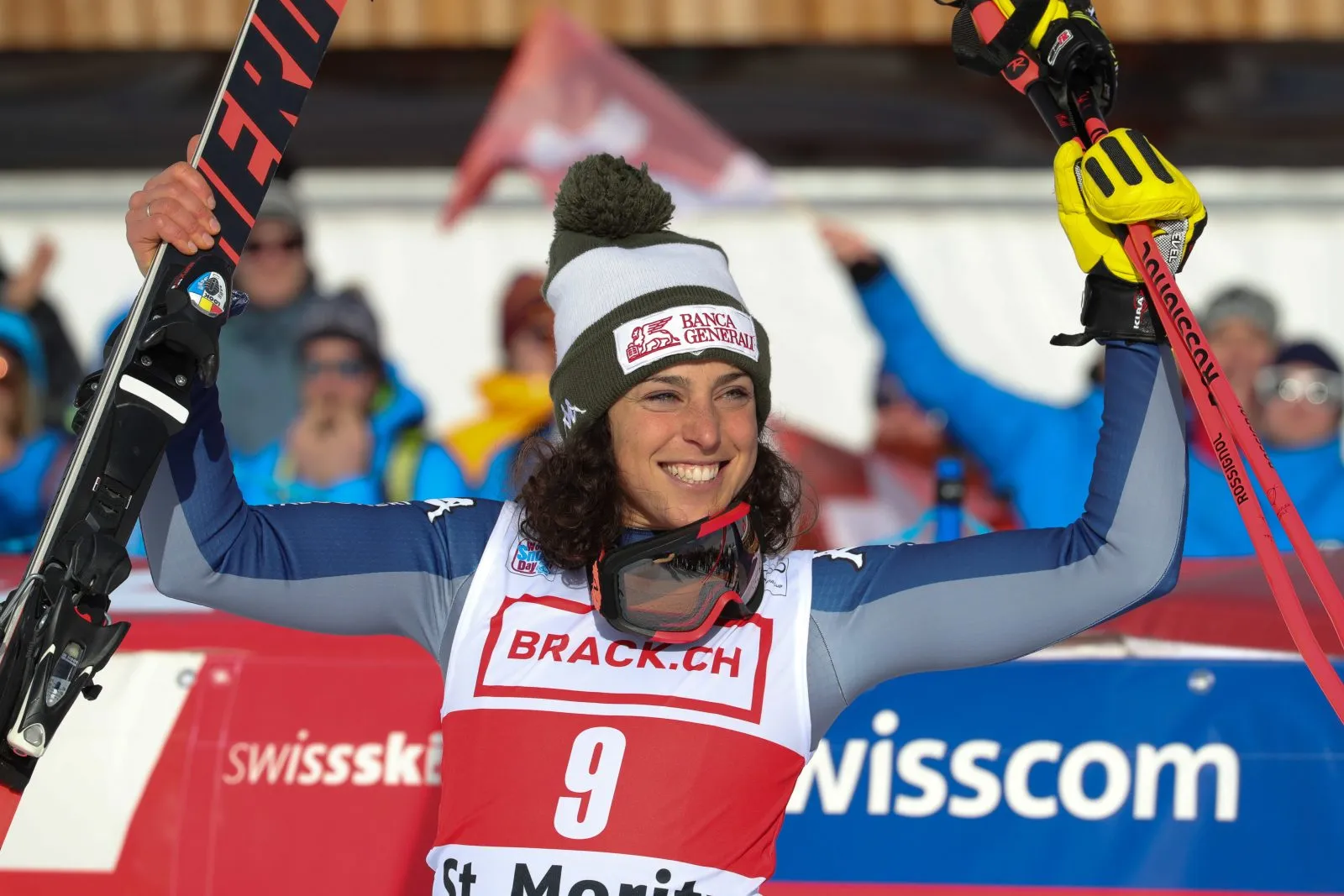
Federica Brignone (ITA) could be the emotional centre of this season — even if she never clicks into her skis. Last spring, she won everything there was to win: the overall title, the giant slalom and downhill globes, and world championship gold. Then, at the Italian Championships, she crashed and shattered her leg — fractures, torn ligaments, surgeries, and months of pain.
Now, six months later, she trains daily at the Juventus training centre in Turin, rebuilding her strength one painful repetition at a time. Her knee still swells, mobility is limited, but the dream of competing in the Olympic Games on home soil remains intact. “I think it’s possible,” she said in October. “Otherwise, I wouldn’t be here.”
She wants to ski at her home Olympics in Cortina, not for medals, but for closure. “The most important thing is to get my life back,” she said. “I love skiing. I don’t want to stop because of this injury.”
Even if she doesn’t return, her fight embodies what this season is about: endurance, will, and unfinished stories.
Shiffrin’s Strategic Retreat
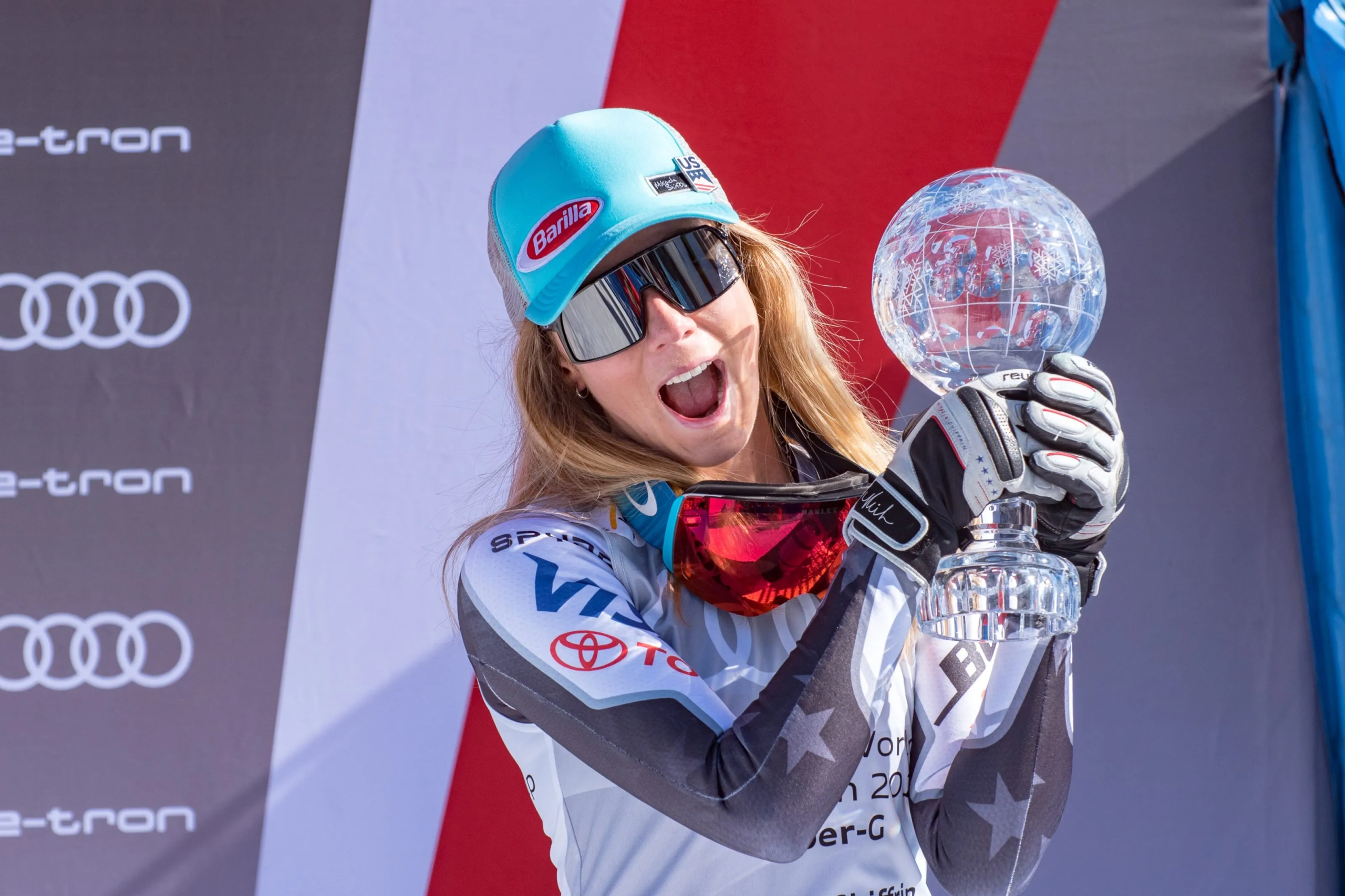
Mikaela Shiffrin (USA) has chosen a different path — one that values longevity over pressure.
At Atomic’s Media Day, she made it official: no downhills this season, not even at the Olympics. Her crash in Cortina in early 2024 was enough. “That was my last downhill,” she said.
Her last Super-G start dates back even further, though she left the door open: “I love that discipline. Maybe before the Olympics, we’ll decide if it makes sense.”
It’s a rare act of restraint in a sport addicted to risk. Shiffrin, now 30, has learned that skipping races can sometimes be a victory in itself. Off the slopes, she’s become an investor in Denver’s new women’s football team — all home games sold out. She might be racing less, but she’s still winning where it matters.
The Swiss Machine and the Austrian Question
The Swiss men’s team enters this season with the confidence of a dynasty. Odermatt (SUI), Franjo von Allmen (SUI), Justin Monney (SUI), Delia Durrer (SUI), and Malorie Blanc (SUI) — together, they make the Swiss team look less like a lineup and more like a winning formula. They demolished the competition last winter and now look unstoppable. And even managed to pull a party like no other and perform like clowns of the circus.
Austria, meanwhile, faces a crisis of pride. Their speed team struggled last year, trailing the Swiss badly. In response, they brought in Andreas Evers (AUT) as their new speed head coach. He’s tasked with closing that gap. “Every coach has his own signature,” said Vincent Kriechmayr (AUT), who admits that gliding speed — Austria’s old trademark — has been their weakness.
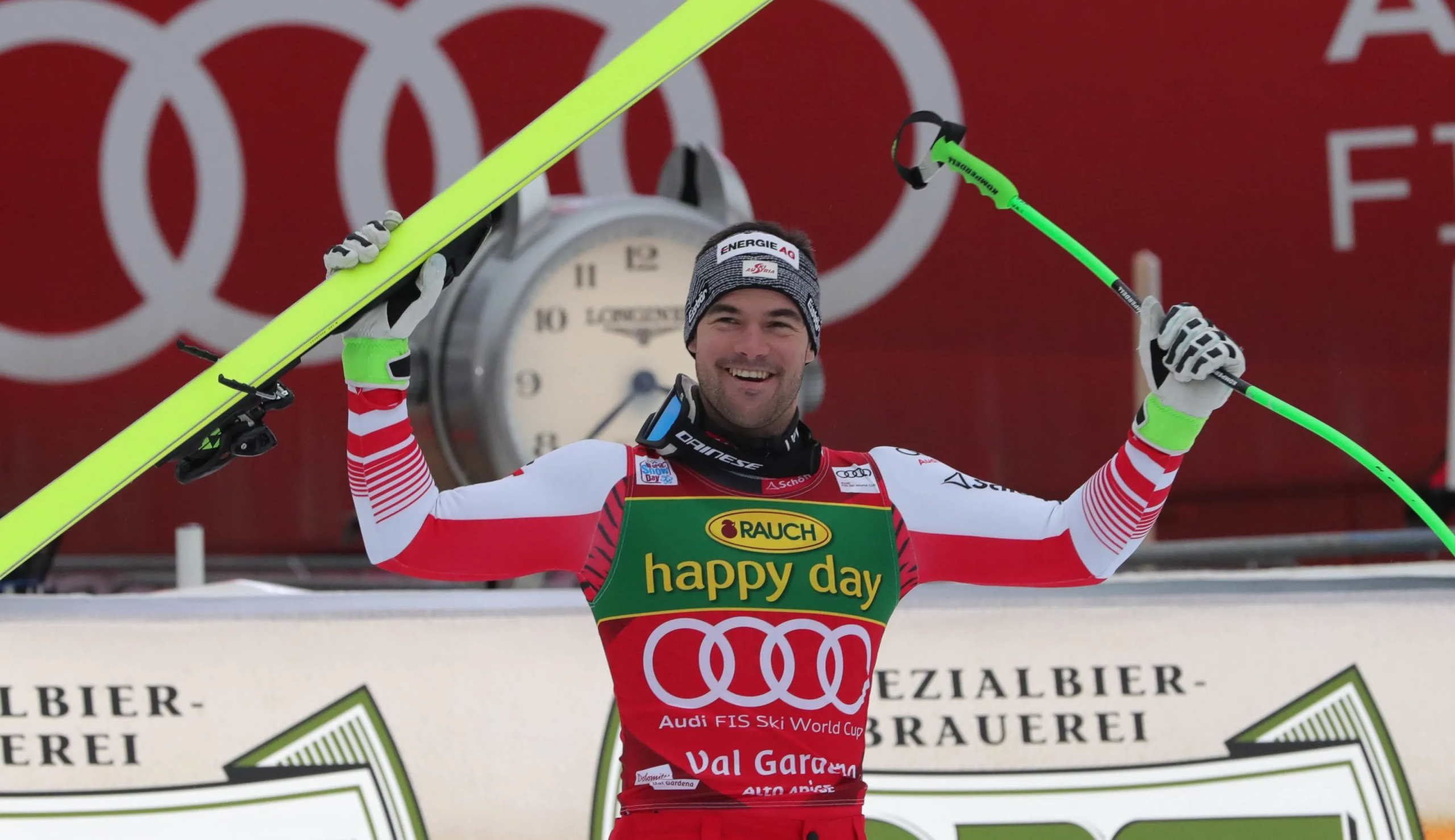
Teammate Daniel Hemetsberger (AUT) calls Evers “a contrast” to former coach Sepp Brunner (AUT) — more intense, more aggressive. Whether that translates into podiums is anyone’s guess, but in Austria, “hoping for the best” has never been part of the plan.
Veterans, Comebacks, and Farewells
If there’s a theme to this winter, it’s that nobody seems ready to quit.
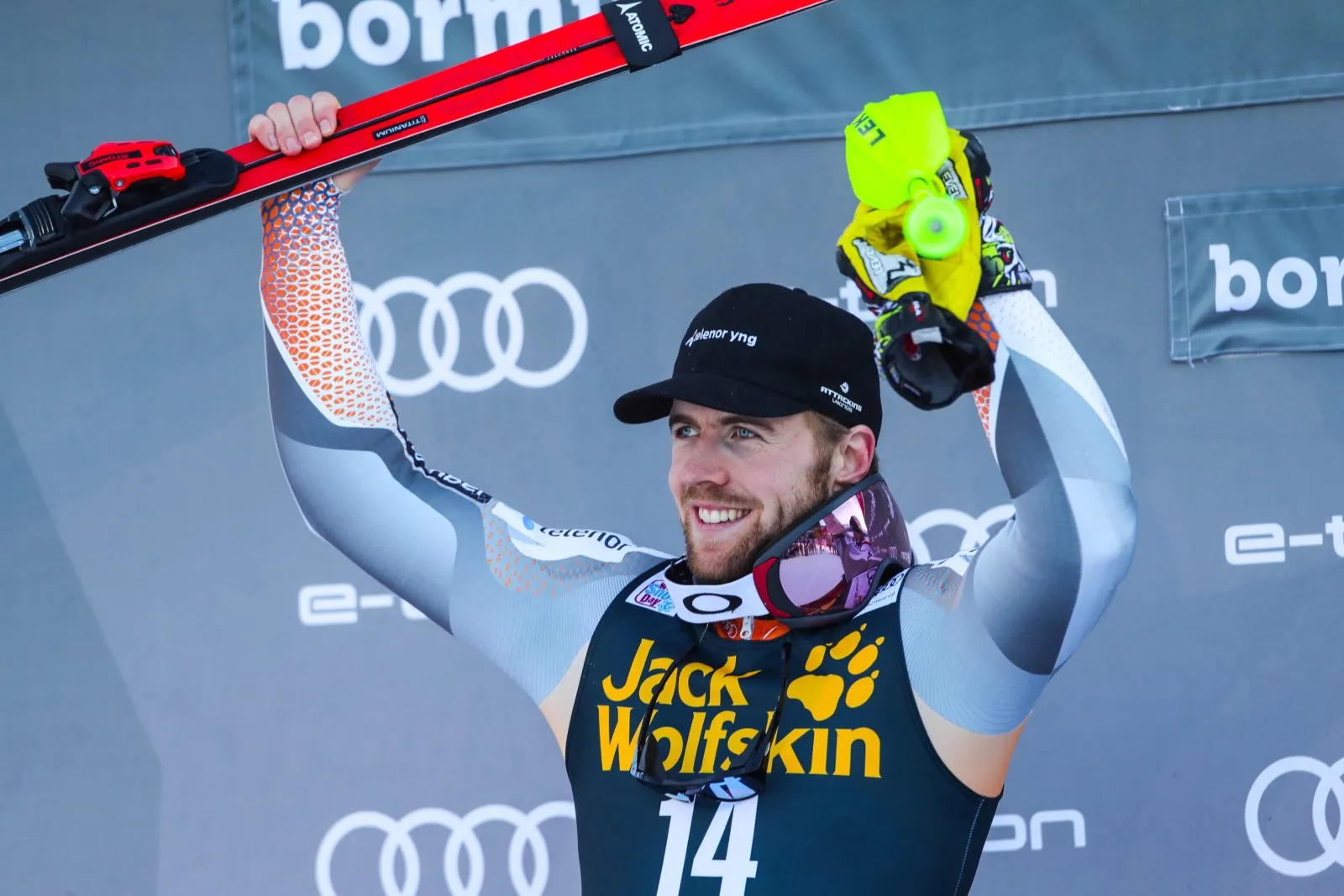
Aleksander Aamodt Kilde (NOR) returns after surgeries and shoulder rehab. Petra Vlhová (SVK) is back on skis after double knee reconstruction. Neither of these two is ready to compete just yet, but both still hope to make it back for the Olympics. Marco Schwarz (AUT) is healthy again, and Marcel Hirscher (AUT) keeps skiing because, in his words, it simply makes him happy.
And yet, while some return, others leave.
Just two weeks before Sölden, Mathieu Faivre (FRA), the French three-time world champion, announced his retirement. “After my Olympic medal,” he said, “I’d reached what I was longing for.” What followed, he admitted, was an emotional emptiness — a rare, honest confession from an elite athlete.
The Olympic Shadow
For some, this is just another season. For most, it’s the road to Cortina and Bormio.
The Milano–Cortina 2026 Olympics are scheduled to begin on February 6, 2026. Men will race in Bormio (ITA), women in Cortina d’Ampezzo (ITA). The qualification battles will be brutal, major nations fighting over limited slots, smaller ones chasing miracles.
Every point earned now carries Olympic weight. Every good run could decide a ticket to the Games. Every bad one could end a dream.
What Lies Ahead
The 2025/26 season opens with questions rather than answers.
Will Odermatt (SUI)’s calm dominance continue?
Will Brignone (ITA) make the miracle comeback she believes in?
Will Austria rediscover its speed, and will the Swiss ever slow down?
And what happens when an Olympic year magnifies every story — triumph, injury, or heartbreak — into legend?
The mountains are quiet for now. In a few days, they won’t be.
The gates are ready, the season’s heartbeat about to begin.
Gravity will do the rest.