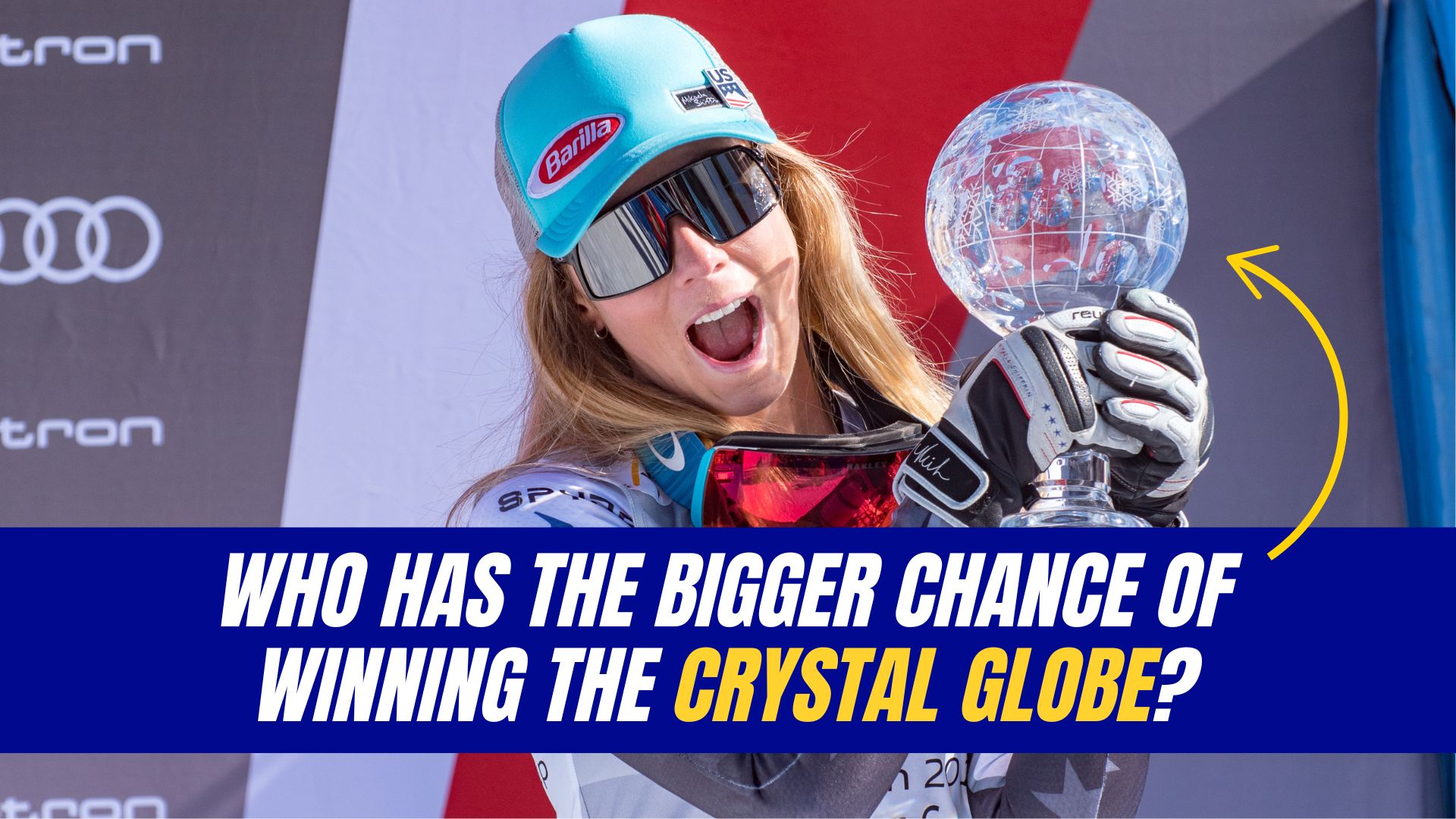
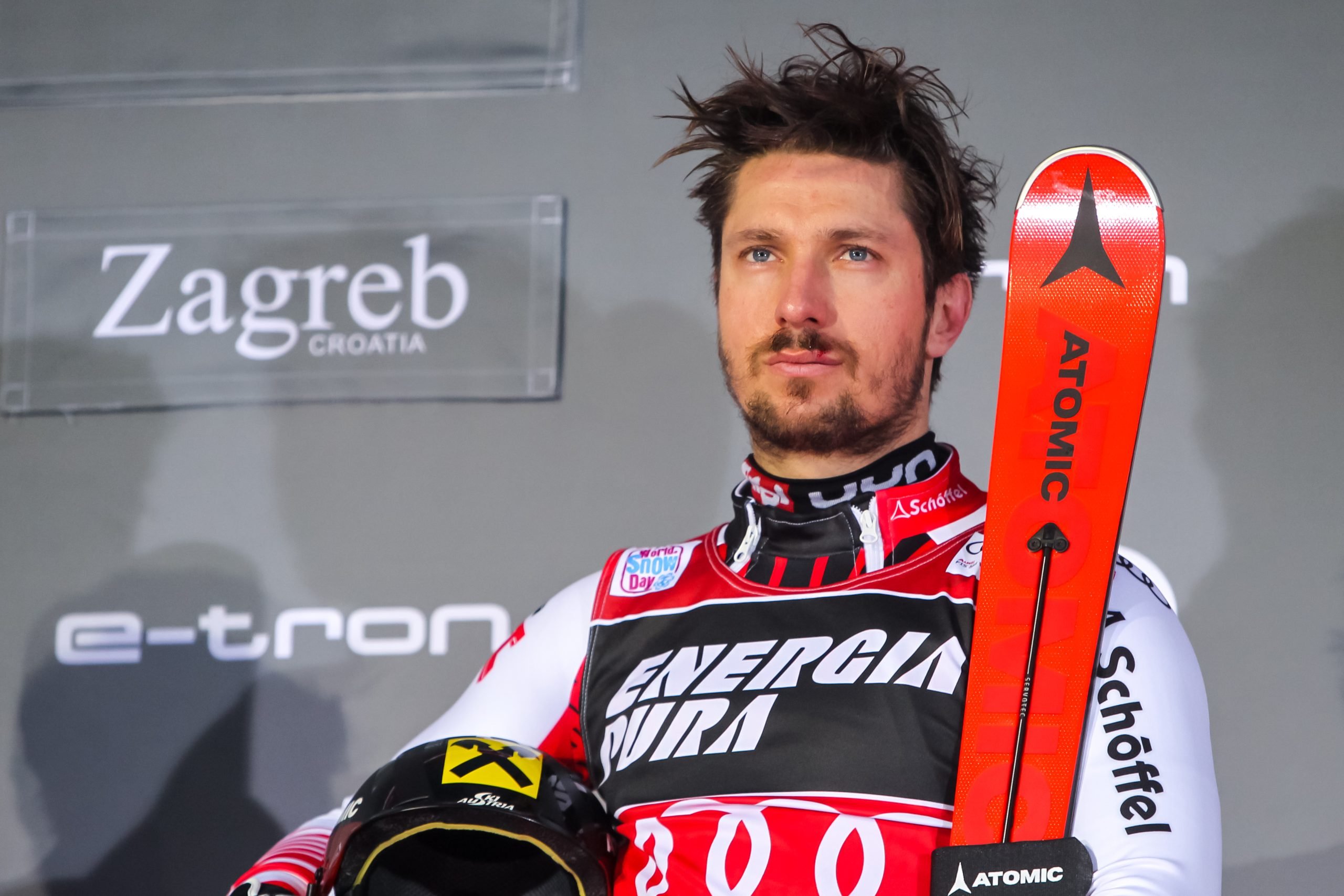
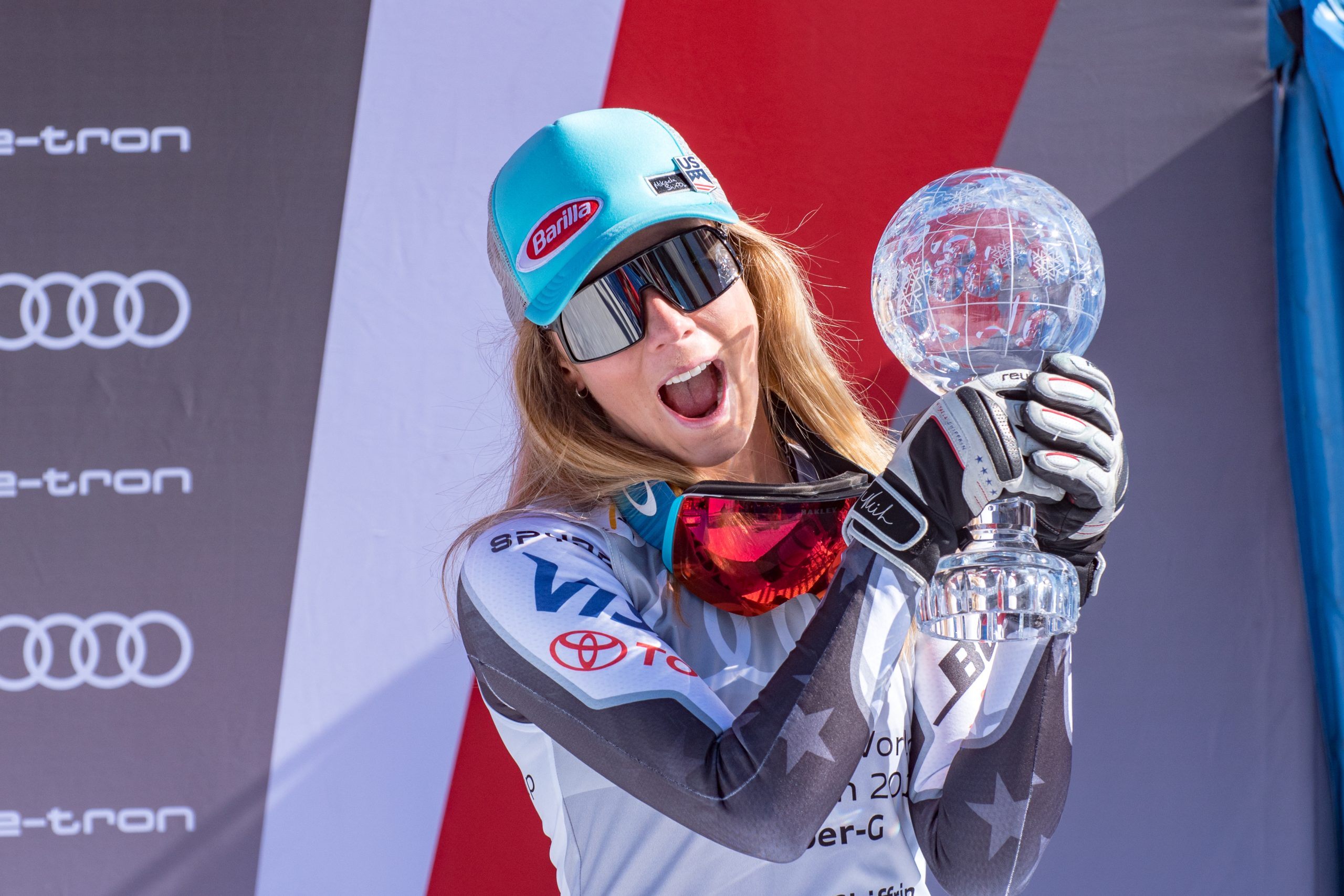
Does the best guy or gal always win? When a phenomenon like Marcel Hirscher, Marco Odermatt, or Mikaela Shiffrin appears, this is indeed true. Racers who win most races they take part in and rarely miss the podium will always remain at the top. But what about the others? Who had a better chance of ranking higher?
The odds favor racers who take part (and rank high) in more than two disciplines, but these all-rounders are rare, and the packed season is demanding for them. We will analyze the chances of all-rounders versus pure specialists, whether speed or technical racers.
Do You Need to Be an All-rounder? How History Sees It
On our way back in time, we’ll stop in 1982, as before that, speed racers could not take part in super-G. Since the 1982/1983 season, super-G became a part of the calendar, enhancing the chances of speed lovers. However, since there were only five super-G events that year (3 for men and 2 for women), the points gained in this discipline counted as points in the giant slalom ranking. But there was still Alpine combined, an event that some fans miss today, and combined was a competition favoring the versatile and universal racers. In the past, Alpine combined events were far more numerous than in the seasons before they were removed from the calendar. For example, in the 1983 season, men raced in 5 Alpine combined events, 11 downhills, 11 slaloms, 7 giant slaloms, and 3 super-G events.
There were 14 speed events, 18 technical competitions, and 5 combined events. These numbers mean that a racer who hoped to win the biggest trophy must be an all-rounder. However, the chances of technical specialists were slightly higher until season 2019/2020, when FIS decided to add more speed events to lower the dominance of pure technical specialists.
The idea behind the Big Crystal Globe is that you should master all disciplines to get it. And the statistics responded to it with two exceptions. Alberto Tomba in 1994/95 and the crushing dominance of Marcel Hirscher from 2011 to 2019. Both specialized in technical disciplines, while all other overall champions raced successfully in at least three disciplines.
The only exception was Alexander Aamodt Kilde’s season in 2019/2020. Not only was that season special due to the COVID pandemic, but Kilde also could nail the giant slalom and regularly collected points in this third discipline when he was in his prime.
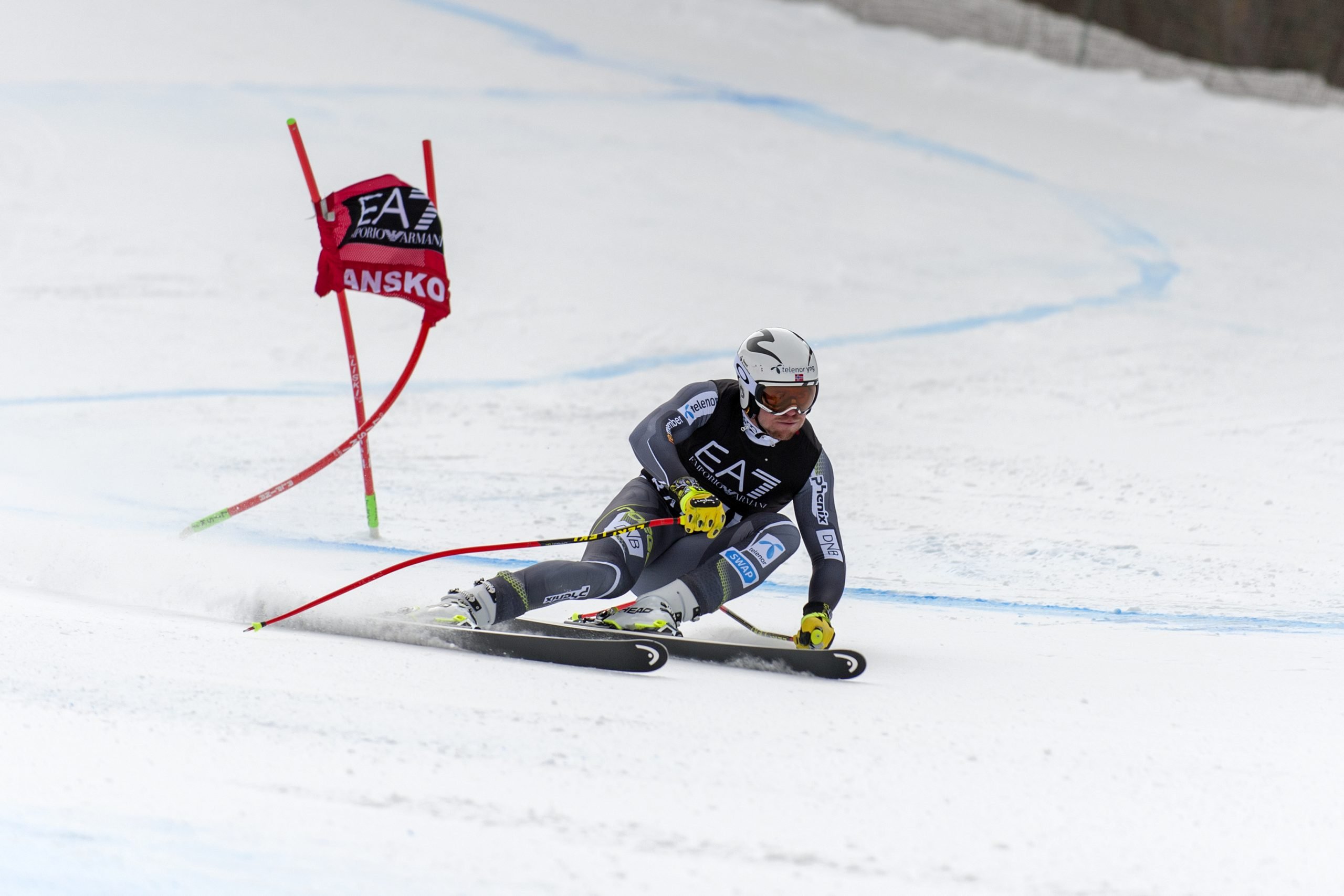
But why is it so tricky for speed skiers to rank higher in the overall rankings now that the number of events is almost even in the calendar?
Cancelled Races
Crucial is the last word in the previous sentence. The number of races might be equal in the calendar, but reality does not always match these numbers. Downhill and super-G events suffer from cancellation more often, as you need perfect visibility, a safe amount of wind, and a firm surface to keep the event safe. The speed tracks are also longer, so the organizers must ensure safe surface and visibility along the whole track, which is tricky if the weather does not play along.
As a result, downhill races are canceled more often, and replacing them is challenging because of the training runs that must precede. In the past, FIS tried to make up for the canceled races by placing two downhills on one weekend, but that proved to be too demanding, resulting in devastating crashes and injuries. This season, FIS promised not to do that.
Which Is More Demanding Physically?
Giant Slalom is said to be the most demanding of the four disciplines, combining strength, timing, and speed on an unprecedented level. There are two runs of giant slalom races, as there are two runs of slalom. In the technical disciplines, the event takes longer; the racer needs to remain warm and race-ready between the two runs. In this regard, technical disciplines are more challenging physically.
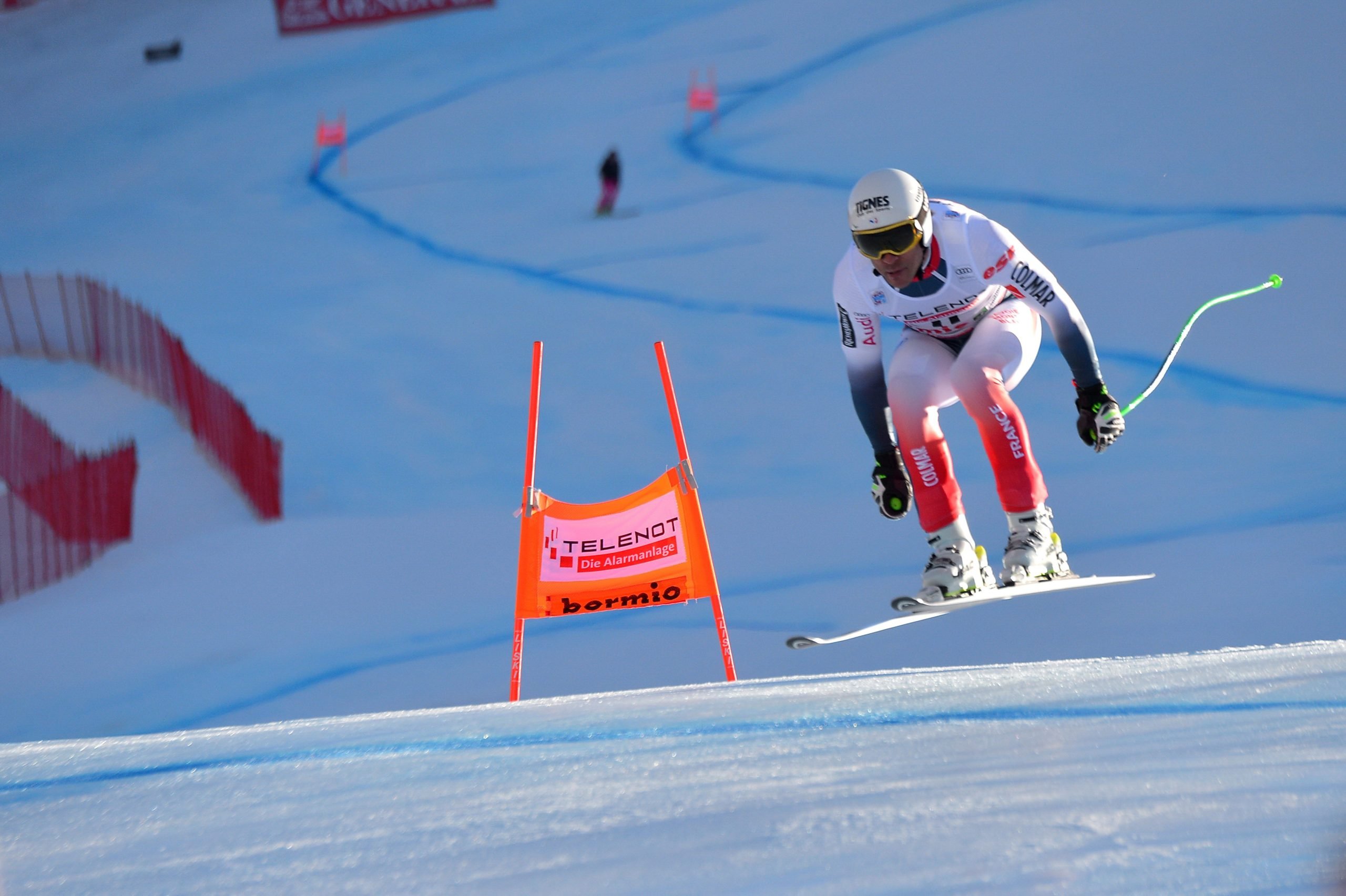
Yet the Downhill has one more downside. Every racer must participate in at least one official training session to be admitted into the race, and most racers take part in all three training sessions if the weather allows. Even though in the training run, racers don’t go full speed, they don’t just relax and enjoy the sunshine either. It is still a demanding session, which adds to the challenge the downhill races provide.
The Risk of Injury
Every discipline brings inherent risks with it. Especially now that the calendar is so packed. The speed disciplines are only worse in that respect, that the risk is higher. Crashing in giant slalom rarely results in serious injuries. It can happen, as Shiffrin’s latest crash showed, but a high-speed crash is something else entirely.
- Related post: Shiffrin Out Due to an Unusual Injury
The Risk of DNF and the Mental Challenges
Slalom brings with it a higher chance of DNF. Racers who risk everything sometimes straddle, and even the best slalom racers have some DNFs during the season. The risk of DNF in slalom adds another mental challenge to the discipline. Especially if the racer had a string of DNFs in the past. We have seen this more than once: the self-doubt demon creeping in. The two runs also make slaloms and giant slaloms more mentally challenging. If you nail the first run, you must confirm it in the second, so the pressure is high.
The mental challenge of skiing in the Downhill event is clear; it takes bravery to ski at 150 km/h while looking for the perfect line. Knowing that a mistake may end your career or even your life must be mentally challenging. The most successful downhill racers are a particular type of character, recklessness and a little craziness are needed to remain on top in this discipline.
All in all, it seems that it all comes down to numbers. You must be able to race in more than two disciplines or win the vast majority of races in your discipline if you specialize. Racing in three disciplines is a surer way, even for the best. But it seems that due to speed races being canceled more often and the impossibility of replacing them, the racers specializing in technical disciplines have a slight advantage, and history confirms that.
Still, the statistics prove that the best of the best usually acquire the Crystal Globe. We can count the numbers to explain the odds, but every champion who raised the Big Globe undoubtedly deserved that.